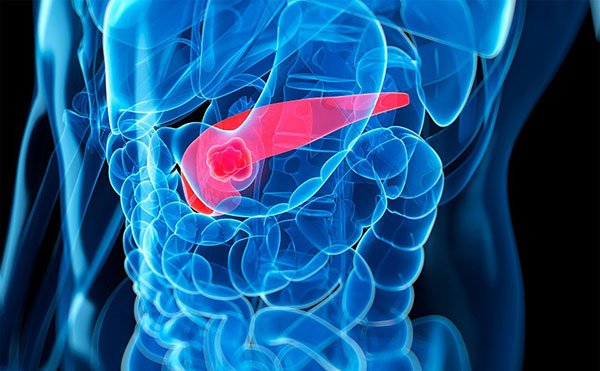
Pancreatic cancer is one of the most serious and challenging forms of cancer. It often develops quietly, producing few noticeable symptoms in its early stages. By the time clear warning signs appear, the disease may already be advanced. That is why awareness is critical. Recognizing subtle symptoms early can significantly improve the chances of timely diagnosis and treatment.
Although pancreatic cancer is less common than some other cancers, it carries a higher mortality rate largely due to delayed detection. Understanding what to look for - especially after the age of 50 or in individuals with risk factors can make a meaningful difference.
What Is Pancreatic Cancer?
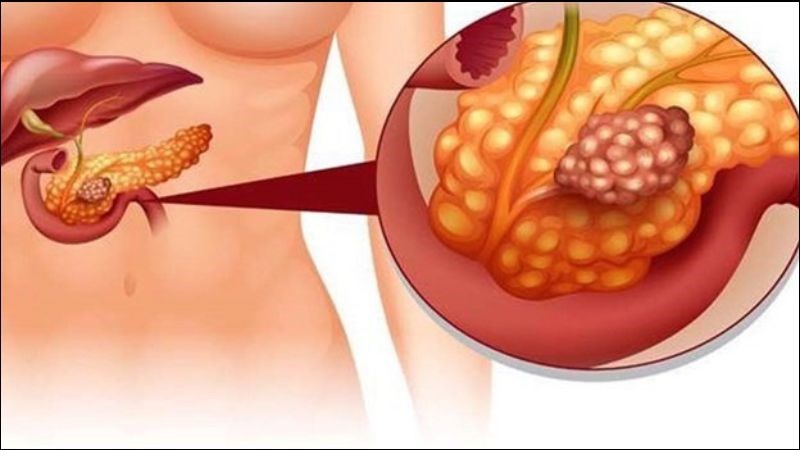
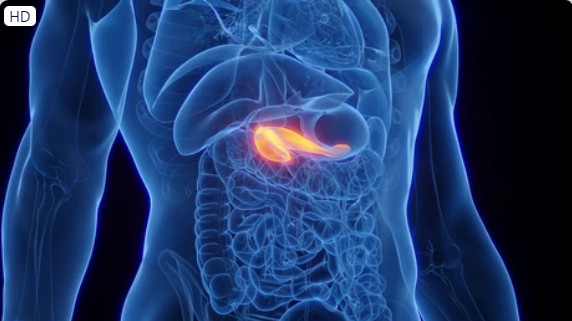
The pancreas is a gland located deep in the abdomen, behind the stomach. It plays two major roles:
-
Producing digestive enzymes that help break down food
-
Releasing hormones such as insulin that regulate blood sugar
Most pancreatic cancers begin in the cells lining the pancreatic ducts. Because of the organ’s location, tumors can grow without being easily felt or seen, making early diagnosis difficult.
Why Early Detection Matters
Pancreatic cancer tends to spread quickly to nearby organs such as the liver, lymph nodes, and abdominal cavity. When detected early — before it spreads — surgical removal may be possible. However, only a small percentage of cases are diagnosed at this stage.
The earlier symptoms are recognized and evaluated, the better the potential outcome.
Key Symptoms to Watch For
1. Persistent Abdominal or Back Pain
One of the most common early signs is dull pain in the upper abdomen that may radiate to the back.
-
Pain may worsen after eating
-
It may feel constant or gradually intensify
-
It is often not relieved by typical digestive remedies
Because the pancreas sits near major nerves and the spine, tumors in this area can cause referred back pain.
2. Unexplained Weight Loss
Sudden, unintended weight loss without dietary changes can signal underlying illness.
Pancreatic cancer may cause:
-
Loss of appetite
-
Early fullness
-
Impaired digestion
-
Increased metabolic demand from the tumor
Weight loss that occurs without effort should always be medically evaluated.
3. Jaundice (Yellowing of Skin and Eyes)
Jaundice is one of the more visible warning signs.
It occurs when a tumor blocks the bile duct, leading to bilirubin buildup in the bloodstream.
Signs include:
-
Yellowing of the skin or eyes
-
Dark urine
-
Pale or clay-colored stools
-
Itchy skin
Even painless jaundice should prompt urgent medical attention.
4. Digestive Changes
Because the pancreas produces digestive enzymes, tumors can interfere with normal digestion.
Possible signs include:
-
Greasy or floating stools
-
Chronic diarrhea
-
Indigestion
-
Nausea after meals
These changes occur when fat digestion becomes impaired.

5. New-Onset Diabetes
The pancreas regulates blood sugar. In some cases, sudden diabetes diagnosis — particularly in adults over 50 without obvious risk factors — may be linked to pancreatic disease.
Warning signs of new-onset diabetes include:
-
Increased thirst
-
Frequent urination
-
Fatigue
-
Blurred vision
While diabetes is common and usually unrelated to cancer, unexplained onset combined with other symptoms warrants evaluation.
6. Fatigue and Weakness
Persistent fatigue that does not improve with rest can be an early but non-specific symptom.
Cancer-related fatigue often feels deeper than ordinary tiredness and may be accompanied by:
-
Loss of motivation
-
Reduced physical stamina
-
Generalized weakness
7. Blood Clots
In some cases, pancreatic cancer increases the risk of abnormal blood clot formation.
Symptoms may include:
-
Swelling in the leg
-
Pain or tenderness in the calf
-
Sudden shortness of breath (if clot travels to lungs)
Unexplained clotting disorders should be investigated further.
Risk Factors to Consider
Certain individuals may face higher risk, including those with:
-
Family history of pancreatic cancer
-
Chronic pancreatitis
-
Long-term smoking history
-
Obesity
-
Type 2 diabetes
-
Genetic mutations (such as BRCA mutations)
For people with strong family history, genetic counseling may be recommended.
When to See a Doctor
Seek medical evaluation if:
-
Abdominal pain persists for more than a few weeks
-
Unexplained weight loss occurs
-
Jaundice develops
-
Digestive changes are ongoing
-
Diabetes appears suddenly in midlife
Doctors may recommend:
-
Blood tests
-
Abdominal imaging (CT scan, MRI, ultrasound)
-
Endoscopic ultrasound
-
Biopsy if needed
Prompt investigation does not mean a cancer diagnosis — but it ensures serious conditions are not missed.
The Challenge of Silent Progression
One reason pancreatic cancer is so dangerous is its silent progression. Symptoms are often vague and easily mistaken for common digestive issues.
However, persistent symptoms — especially when multiple signs occur together — should not be ignored.
Awareness is not about fear. It is about vigilance.
Can Pancreatic Cancer Be Screened?
Routine screening for the general population is not currently recommended. However, high-risk individuals with strong family history may undergo periodic imaging under specialist supervision.
Research into early detection biomarkers is ongoing.
Final Thoughts
Early detection of pancreatic cancer is crucial because symptoms are often subtle at first. Persistent abdominal or back pain, unexplained weight loss, jaundice, digestive disturbances, and new-onset diabetes are important red flags.
Not every symptom signals cancer. Many of these signs have far more common and benign causes. But when they persist or cluster together, medical evaluation is essential.
Listening to your body and seeking timely care can make a life-changing difference.
Awareness is the first step toward protection and early action remains the strongest tool we have.