Fish is widely praised as a healthy source of protein, omega-3 fatty acids, and essential nutrients. However, not all fish are equal when it comes to safety and quality. Some species carry higher levels of mercury, environmental contaminants, or are commonly linked to sustainability and farming concerns. A low price tag does not automatically mean a smart purchase — especially when health is involved.
Below are six types of fish that experts often advise limiting or avoiding, along with the reasons why they may not be the best choice for regular consumption.
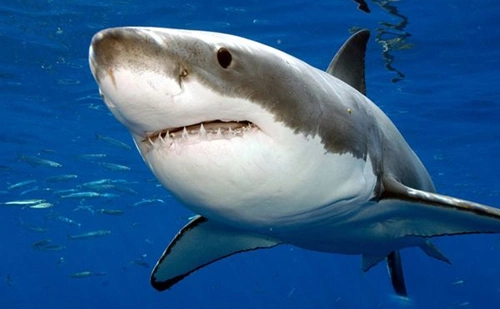
1. Shark
Sharks are apex predators. Because they sit at the top of the food chain and live long lives, they accumulate high levels of mercury through a process called biomagnification.
Why to avoid:
-
Very high mercury content
-
Potential neurological risk with frequent consumption
-
Particularly unsafe for pregnant women and children
Mercury exposure over time may affect brain and nervous system function.
2. Swordfish
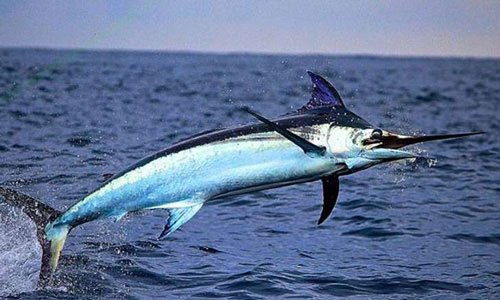
Swordfish is another large predatory species known for elevated mercury levels.
Concerns include:
-
High methylmercury concentration
-
Increased risk for developing fetuses
-
Not recommended for frequent consumption
Even though swordfish steaks are popular for grilling, regular intake may increase mercury exposure significantly.
3. King Mackerel
It is important to distinguish king mackerel from smaller Atlantic mackerel. King mackerel grows much larger and accumulates more mercury.
Reasons to limit:
-
High mercury levels
-
Greater risk for children and pregnant individuals
Smaller mackerel varieties are generally safer options.
4. Tilefish (Especially from Certain Regions)
Tilefish, particularly from the Gulf of Mexico, is known for high mercury levels.
Why it’s concerning:
-
Significant mercury accumulation
-
Long lifespan increases contaminant buildup
Regional differences matter, but in general, tilefish is not considered a low-mercury choice.
5. Imported Farmed Tilapia (Low-Quality Sources)
Tilapia itself is not inherently dangerous. However, some imported farmed tilapia has raised concerns regarding farming practices.
Potential issues:
-
Poor water quality in certain farms
-
Higher antibiotic use
-
Lower omega-3 content compared to wild fish
When choosing tilapia, sourcing from reputable, regulated farms is crucial.
6. Atlantic Bluefin Tuna (Large Tuna Species)
Large tuna species, including Atlantic bluefin and bigeye tuna, can contain elevated mercury levels.
Concerns:
-
High mercury accumulation
-
Environmental sustainability issues
-
Overfishing concerns
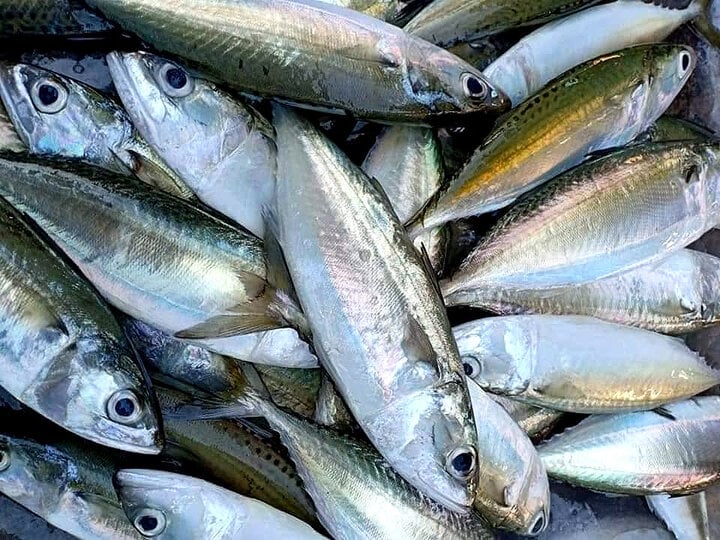
Smaller tuna species, such as skipjack (often used in canned light tuna), generally contain less mercury.
Why Mercury Matters
Mercury is a heavy metal that can accumulate in the body over time. Excess exposure may lead to:
-
Neurological problems
-
Memory issues
-
Developmental delays in children
-
Cardiovascular risks
Cooking does not remove mercury. Freezing does not reduce it either. The only way to limit exposure is through smart selection.
Sustainability and Environmental Factors
Some fish are also problematic due to overfishing and environmental damage. Choosing sustainably sourced seafood helps protect ocean ecosystems while supporting safer food systems.
Look for certifications such as:
-
Marine Stewardship Council (MSC)
-
Responsibly farmed labels
Safer Fish Alternatives
Instead of high-mercury or questionable sources, consider:
-
Salmon (wild-caught when possible)
-
Sardines
-
Anchovies
-
Herring
-
Trout
-
Atlantic mackerel (not king mackerel)
These options typically provide strong omega-3 benefits with lower mercury levels.
Balance Is Key
It is important to note that fish remains an excellent part of a healthy diet. The goal is not to avoid seafood entirely but to make informed decisions. Occasional consumption of higher-mercury fish may not pose significant harm for healthy adults. However, frequent intake increases cumulative exposure.
Vulnerable groups — including pregnant women, breastfeeding mothers, and young children — should be especially cautious.
Final Thoughts
Cheap seafood can be tempting, but price should never be the only factor guiding your choice. Shark, swordfish, king mackerel, tilefish, certain imported farmed tilapia, and large tuna species are often associated with higher mercury levels or environmental concerns.
Smaller fish with shorter lifespans generally contain fewer contaminants and offer safer nutritional benefits.
When it comes to seafood, informed choices protect both your health and the planet.