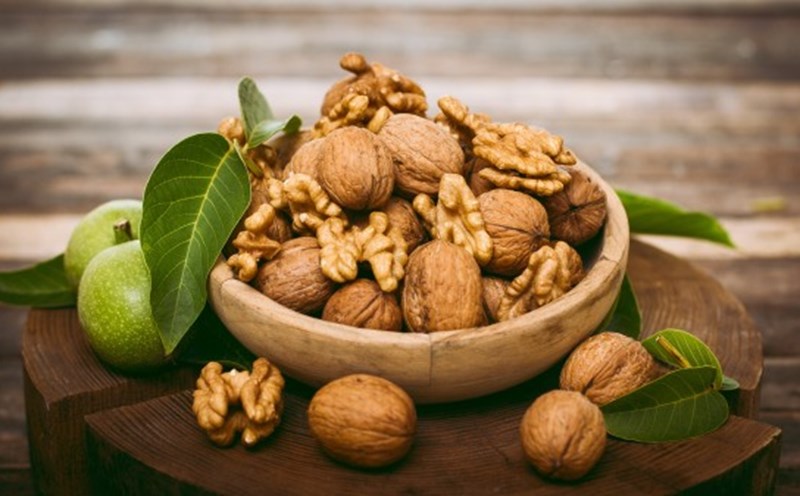
Walnuts have long been considered a “brain-shaped superfood,” but modern research suggests their benefits go far beyond symbolism. Rich in healthy fats, antioxidants, fiber, and plant compounds, walnuts may influence multiple systems in the body when consumed regularly.
Physicians and nutrition researchers increasingly highlight walnuts as a functional food — meaning they provide benefits beyond basic nutrition. While no single food can transform health overnight, consistent walnut consumption may support heart function, brain performance, gut balance, and metabolic stability.
Let’s explore what science suggests happens inside your body when walnuts become part of your routine.

1. Improved Heart Health
One of the most well-documented benefits of walnuts involves cardiovascular support.
Walnuts are rich in:
-
Alpha-linolenic acid (ALA), a plant-based omega-3 fatty acid
-
Polyunsaturated fats
-
Antioxidants such as polyphenols
These compounds may help:
-
Lower LDL (“bad”) cholesterol
-
Reduce inflammation in blood vessels
-
Improve endothelial function (how well arteries relax)
-
Support healthy blood pressure
Several clinical studies suggest that incorporating a small handful of walnuts daily may contribute to improved lipid profiles. The anti-inflammatory properties of omega-3 fats play a central role in protecting the heart.
2. Anti-Inflammatory Effects
Chronic low-grade inflammation is linked to conditions such as heart disease, diabetes, and cognitive decline.
Walnuts contain:
-
Ellagitannins
-
Flavonoids
-
Tocopherols (forms of vitamin E)
These antioxidants help neutralize free radicals and reduce oxidative stress. When oxidative stress decreases, inflammation markers in the body may also decline.
Over time, this may contribute to better overall metabolic resilience.
3. Brain Function and Cognitive Support
The resemblance of walnuts to the human brain is coincidental — but their nutritional profile supports neurological health.
Walnuts provide:
-
Omega-3 fatty acids
-
Polyphenols
-
Vitamin E
-
Folate
Omega-3 fats are critical for maintaining cell membrane integrity in brain tissue. Antioxidants help protect neurons from oxidative damage.
Some observational studies suggest that higher walnut intake is associated with better cognitive performance in aging adults. While walnuts are not a cure for neurological diseases, they may contribute to long-term brain support as part of a balanced diet.
4. Gut Microbiome Enhancement
Your gut contains trillions of bacteria that influence digestion, immunity, and even mood.
Walnuts are rich in fiber and bioactive compounds that serve as fuel for beneficial gut bacteria. Research indicates walnut consumption may increase the abundance of helpful microbial strains.
A healthier gut microbiome can support:
-
Improved digestion
-
Better immune regulation
-
Reduced inflammation
-
More stable metabolic health
The fiber content also promotes regular bowel movements and digestive comfort.
5. Blood Sugar Regulation
Although nuts are calorie-dense, walnuts have a low glycemic impact.
Their combination of:
-
Healthy fats
-
Fiber
-
Protein
slows digestion and helps stabilize blood sugar levels after meals.
Some studies suggest walnut consumption may improve insulin sensitivity, particularly in individuals at risk of type 2 diabetes.
Balanced blood sugar supports steady energy levels and reduces metabolic stress.
6. Weight Management Support
Despite their fat content, walnuts may actually support healthy weight management when eaten in moderation.
Why?
-
They promote satiety (feeling full).
-
Their fiber and protein reduce hunger between meals.
-
Some research suggests the body does not absorb all calories from whole nuts due to their structure.
Replacing processed snacks with walnuts may improve dietary quality and reduce overeating.
7. Antioxidant Protection
Walnuts rank among the most antioxidant-rich nuts.
Antioxidants help:
-
Protect cells from free radical damage
-
Slow cellular aging
-
Support immune defense
The skin of walnuts contains particularly high concentrations of polyphenols, which is why eating them whole (without removing the skin) is beneficial.
8. Support for Healthy Aging
Because walnuts influence inflammation, oxidative stress, cardiovascular function, and brain health, their combined effects may contribute to healthier aging overall.
Regular intake of nutrient-dense foods like walnuts supports long-term vitality rather than short-term stimulation.

How Much Is Recommended?
Most health experts suggest:
-
About a small handful per day (roughly 28 grams or 1 ounce)
This amount provides meaningful nutrients without excessive calories.
Walnuts can be added to:
-
Oatmeal
-
Salads
-
Yogurt
-
Smoothies
-
Whole-grain dishes
They can also be eaten plain as a snack.
Important Considerations
While walnuts are generally safe, consider the following:
-
They are high in calories, so portion control matters.
-
Individuals with nut allergies should avoid them.
-
Store properly to prevent rancidity, as their healthy fats can oxidize.
Balance remains essential. Walnuts work best as part of a diverse, nutrient-rich diet.

Final Thoughts
Doctors emphasize that walnuts are not a miracle cure, but they are a powerful addition to a healthy lifestyle. Their combination of omega-3 fats, antioxidants, fiber, and plant compounds may support heart health, brain function, gut balance, and metabolic stability.
Small, consistent dietary habits often produce meaningful long-term results.
Incorporating a daily handful of walnuts may seem simple — yet inside your body, subtle and beneficial changes may be unfolding with every bite.