Cancer May Not Hurt at First: 8 Bathroom Warning Signs You Should Never Ignore
Cancer in its early stages is often silent. No dramatic pain. No obvious crisis. Just subtle changes — the kind people brush off as stress, diet, or “probably nothing.” But sometimes, the first red flags appear in one of the most ordinary places: the bathroom.
Your urine, stool, and even what happens when you cough at the sink can reveal more than you think. Let’s break down eight warning signs that deserve attention — not panic, but definitely action.
1. Blood in the Urine (Even Once Is Enough to Check)


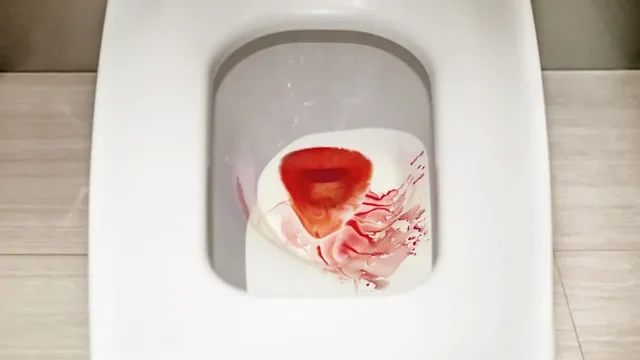
Seeing pink, red, or cola-colored urine can be alarming. Even if it happens only once, it should not be ignored.
Blood in urine (hematuria) may be linked to:
-
Bladder cancer
-
Kidney cancer
-
Prostate cancer
Yes, infections and kidney stones can also cause it. But here’s the key: you don’t self-diagnose blood. You investigate it.
If there’s visible blood — or lab tests detect microscopic blood — medical evaluation is non-negotiable.
2. Blood in Stool or on Toilet Paper


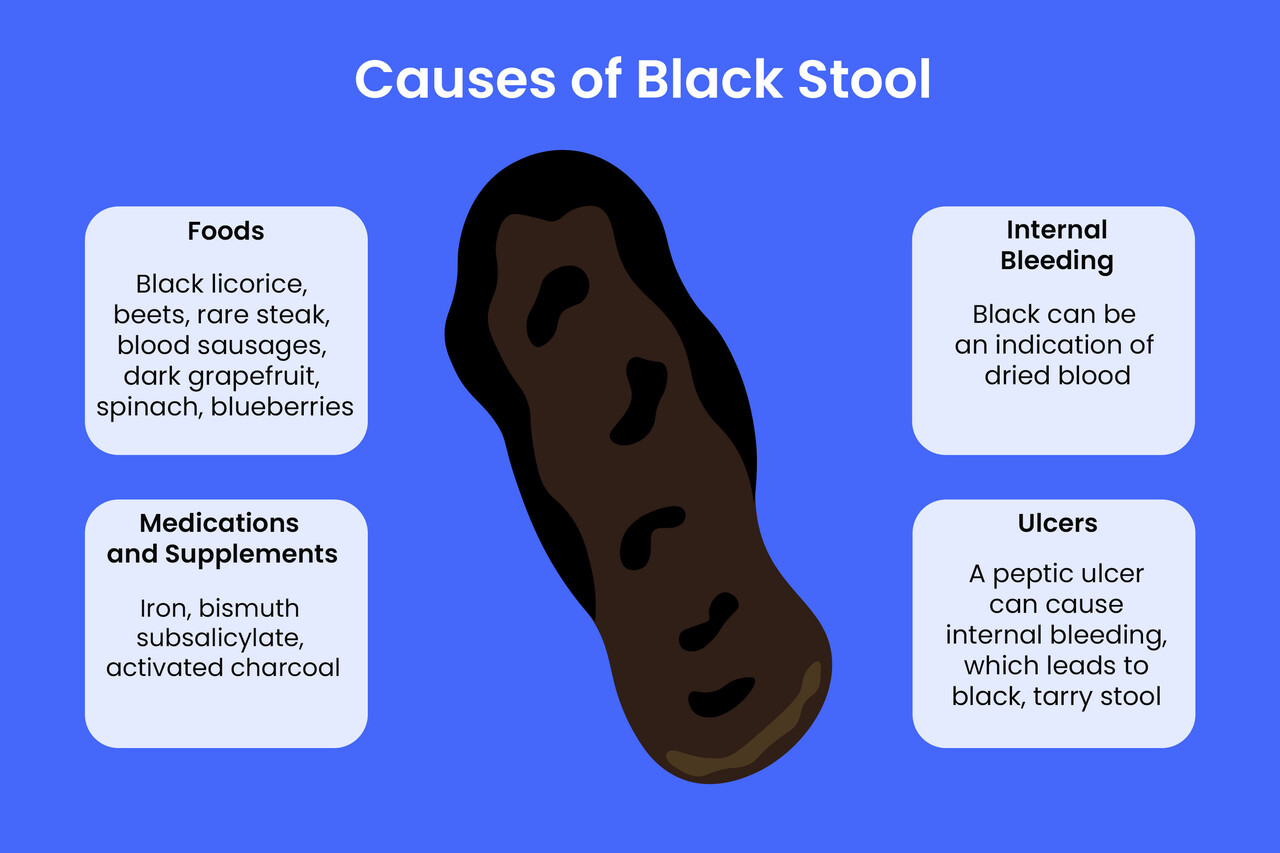
Bright red blood may appear on toilet paper or in the bowl. Dark, tarry stools may indicate bleeding higher in the digestive tract.
Possible causes include:
-
Hemorrhoids (common and benign)
-
Colon polyps
-
Colorectal cancer
The mistake many people make? Assuming it’s “just hemorrhoids” without confirmation.
Any persistent or unexplained rectal bleeding requires medical assessment, especially in adults over 40 — or younger individuals with a family history of colorectal cancer.
3. Persistent Changes in Bowel Habits


If your bowel pattern suddenly shifts and stays different for weeks, pay attention.
Red flags include:
-
Ongoing diarrhea
-
Chronic constipation
-
Alternating between both
-
Pencil-thin stools
-
Feeling like you cannot fully empty
These changes may signal colorectal cancer — especially if accompanied by fatigue or weight loss.
A one-day upset stomach is normal. A month-long change is not.
4. Unexplained Vomiting (Especially with Blood)

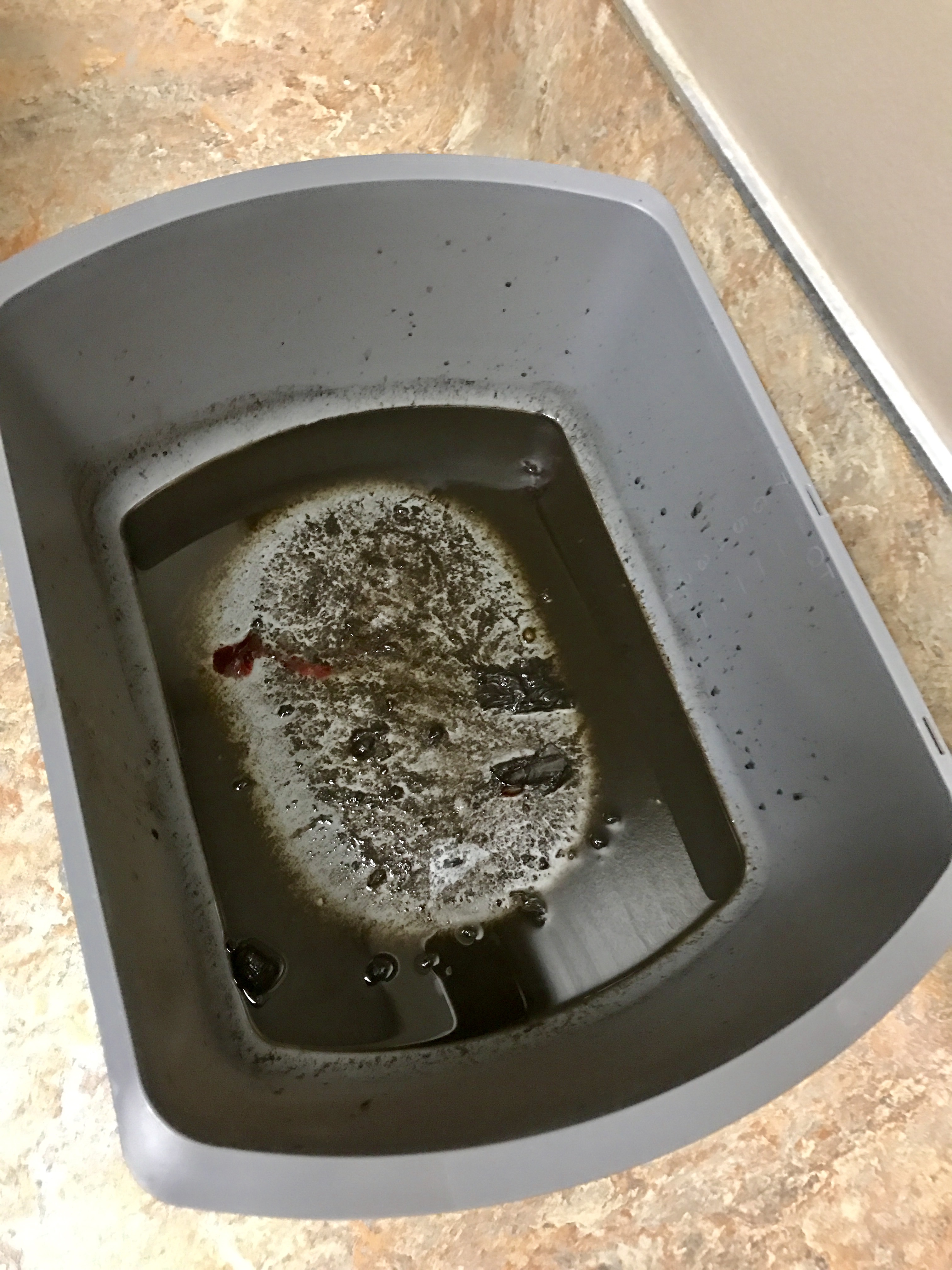

Occasional nausea happens. But repeated vomiting without clear cause deserves evaluation.
Urgent signs include:
-
Vomit that looks like coffee grounds
-
Bright red blood in vomit
-
Persistent nausea with weight loss
These may indicate bleeding in the stomach or upper digestive tract, potentially linked to gastric or esophageal cancer.
5. Chronic Coughing or Spitting Blood at the Sink
Many people notice this while brushing teeth.
Coughing up blood — even small streaks — can be a warning sign of:
-
Lung cancer
-
Throat cancer
-
Severe lung infection
A cough lasting more than three weeks, especially in smokers or former smokers, requires medical attention.
Even if it’s “just a little blood.” There is no such thing as harmless unexplained bleeding.
6. Difficulty Urinating or Weak Urine Stream
Men, in particular, may notice bathroom changes first.
Watch for:
-
Weak or interrupted urine stream
-
Difficulty starting urination
-
Frequent nighttime urination
-
Painful urination without infection
These may indicate prostate enlargement — but they can also be associated with prostate cancer.
The bathroom often reveals early prostate changes before pain ever appears.
7. Persistent Abdominal Pain During Bathroom Visits
Discomfort that consistently appears before, during, or after bowel movements may indicate:
-
Ovarian cancer
-
Colon cancer
-
Bladder cancer
Pay attention if abdominal pain:
-
Lasts more than two weeks
-
Worsens over time
-
Comes with bloating or appetite loss
Persistent pain is not something to normalize.
8. Sudden, Unexplained Weight Loss You Notice on the Scale
Many people discover weight loss while stepping on the bathroom scale.
Losing weight without trying — especially more than 5% of body weight in a few months — can be an early cancer warning sign.
Cancer can increase metabolic demand or reduce appetite long before obvious symptoms appear.
If clothes suddenly fit loosely without lifestyle changes, get evaluated.
Why Early Cancer Often Doesn’t Hurt
Here’s the uncomfortable truth: early cancer typically grows silently.
Tumors do not cause pain until they:
-
Press on nerves
-
Block organs
-
Spread to other tissues
That’s why waiting for pain is a dangerous strategy.
Subtle warning signs — especially bleeding, persistent changes, and unexplained symptoms — matter more than pain in early detection.
Who Should Be Especially Alert?
Higher vigilance is important for individuals who:
-
Have a family history of cancer
-
Smoke or previously smoked
-
Are over 40
-
Have chronic inflammatory conditions
-
Have unexplained fatigue
But cancer does not exclusively affect one age group. Younger individuals are not immune.
When to See a Doctor
Seek medical evaluation if:
-
Any bleeding occurs without clear cause
-
Symptoms persist beyond two weeks
-
Changes progressively worsen
-
Weight loss is unexplained
-
You feel something is “off” in your body
Doctors may recommend:
-
Blood tests
-
Imaging (ultrasound, CT, MRI)
-
Endoscopy or colonoscopy
-
Urinalysis
Testing does not mean diagnosis — it means clarity.
The Bottom Line
The bathroom is one of the few places where you consistently observe bodily function. Changes there are not random. They are data.
Most of these symptoms have benign explanations. But ignoring persistent warning signs can delay critical diagnoses.
Early detection dramatically improves survival rates across many cancer types. Acting early is not paranoia — it is prevention.
If something unusual keeps showing up in the bathroom, do not dismiss it.
Listen to your body.
Investigate early.
Protect your future.