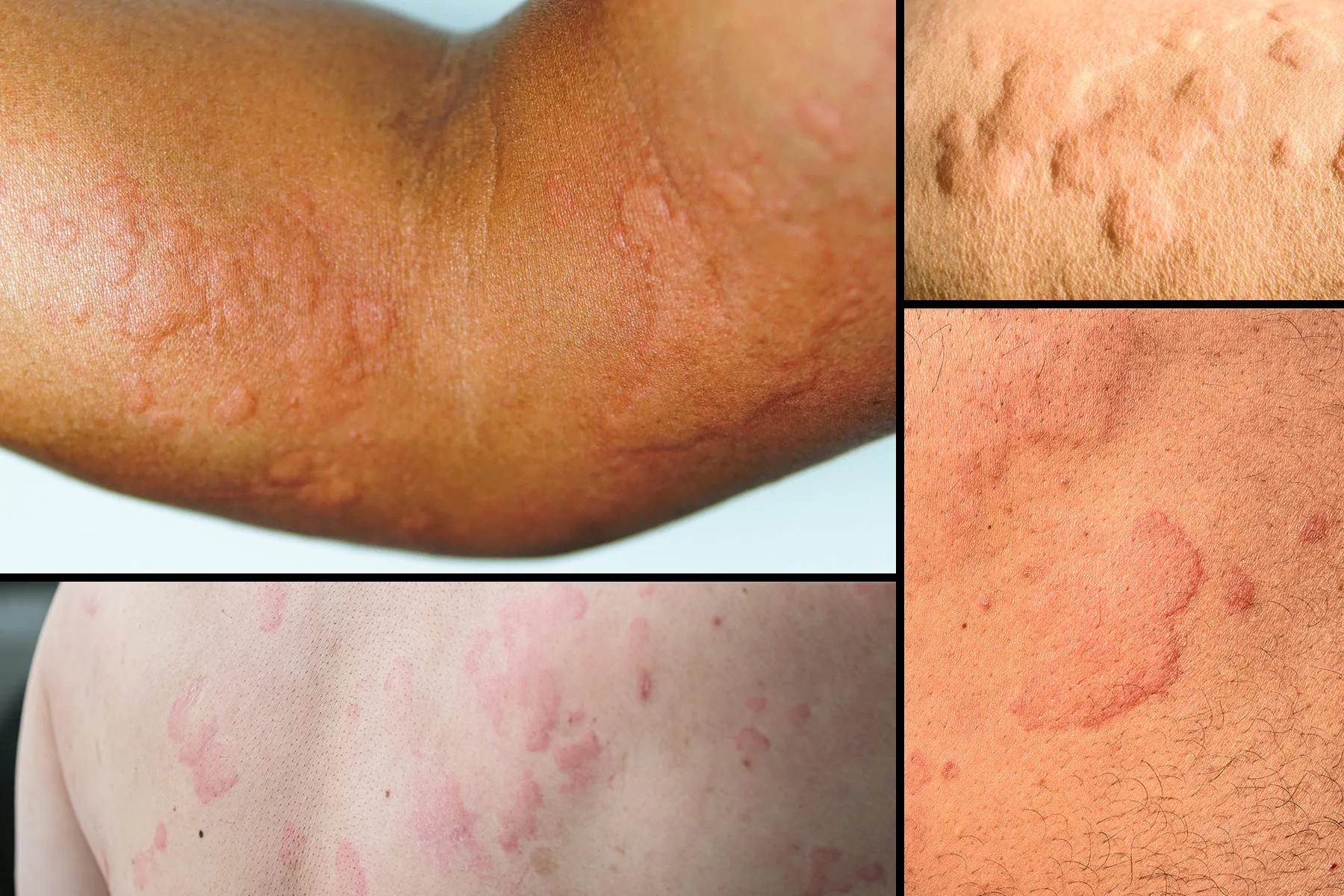
A skin ailment called urticaria is typified by the development of elevated, red, and itchy welts. The size of these lesions might vary, and they can form clusters on the face, arms, legs, and trunk, among other parts of the body. Even while the welts typically go away on their own in a few hours or days, they can occasionally reoccur and have a serious negative impact on the health and well-being of those who experience them.
Urticaria, which appears as welts or pimples on the skin, is a common and frequently unsettling skin reaction. These lesions, which can be little patches or huge plaques, are usually very irritating and have a raised, red, or skin-colored appearance. Urticaria is usually a harmless and temporary ailment, despite the fact that it might be frightening.
Histamine and other chemical mediators are released into the bloodstream by certain body cells known as mast cells, which causes urticaria. The characteristic oedematous (swollen) welts are the result of fluid leaking from the skin’s capillaries, which are tiny blood vessels.
The main symptoms of urticaria include:
Hives: Raised, well-defined lesions that may be red at the edges and pale in the middle are called hives.
Pruritus: is characterised by mild to extremely acute itching.
Evanescent Character: Although fresh welts may develop on different parts of the body, one of the most distinguishing features is that individual welts typically vanish without leaving a mark in less than 24 hours.
Angioedema, or swelling of the skin’s deeper layers, can occasionally accompany urticaria. Angioedema frequently affects the hands, feet, lips, eyelids, or genitalia and can result in pain or tightness. Angioedema that affects the tongue or throat is a medical emergency because it can make breathing difficult.
Types of Urticaria
The main way that urticaria is categorised is by how long it lasts:
Acute Urticaria: The most typical type is acute urticaria. The reason of outbreaks is frequently known, and they typically last less than six weeks.
Chronic Urticaria: When breakouts last longer than six weeks, chronic urticaria is diagnosed. Chronic spontaneous urticaria, also referred to as idiopathic urticaria, is a condition in which the reason is frequently unclear.
Additionally, there is physical urticaria, also known as inducible urticaria, where a particular external stimulation causes the hives to appear, like:
Dermographism: When the skin is scratched or rubbed, hives form.
Cold Urticaria: Cold exposure can cause cold urticaria.
Pressure Urticaria: Constant pressure on the skin, such as from tight clothing, can result in pressure urticaria.
Solar Urticaria: Sunlight exposure causes solar urticaria.
Cholinergic Urticaria: A rise in body temperature, as during exercise or a hot bath, is linked to cholinergic urticaria.
Common Causes of Urticaria
There are many potential causes of acute urticaria, including:
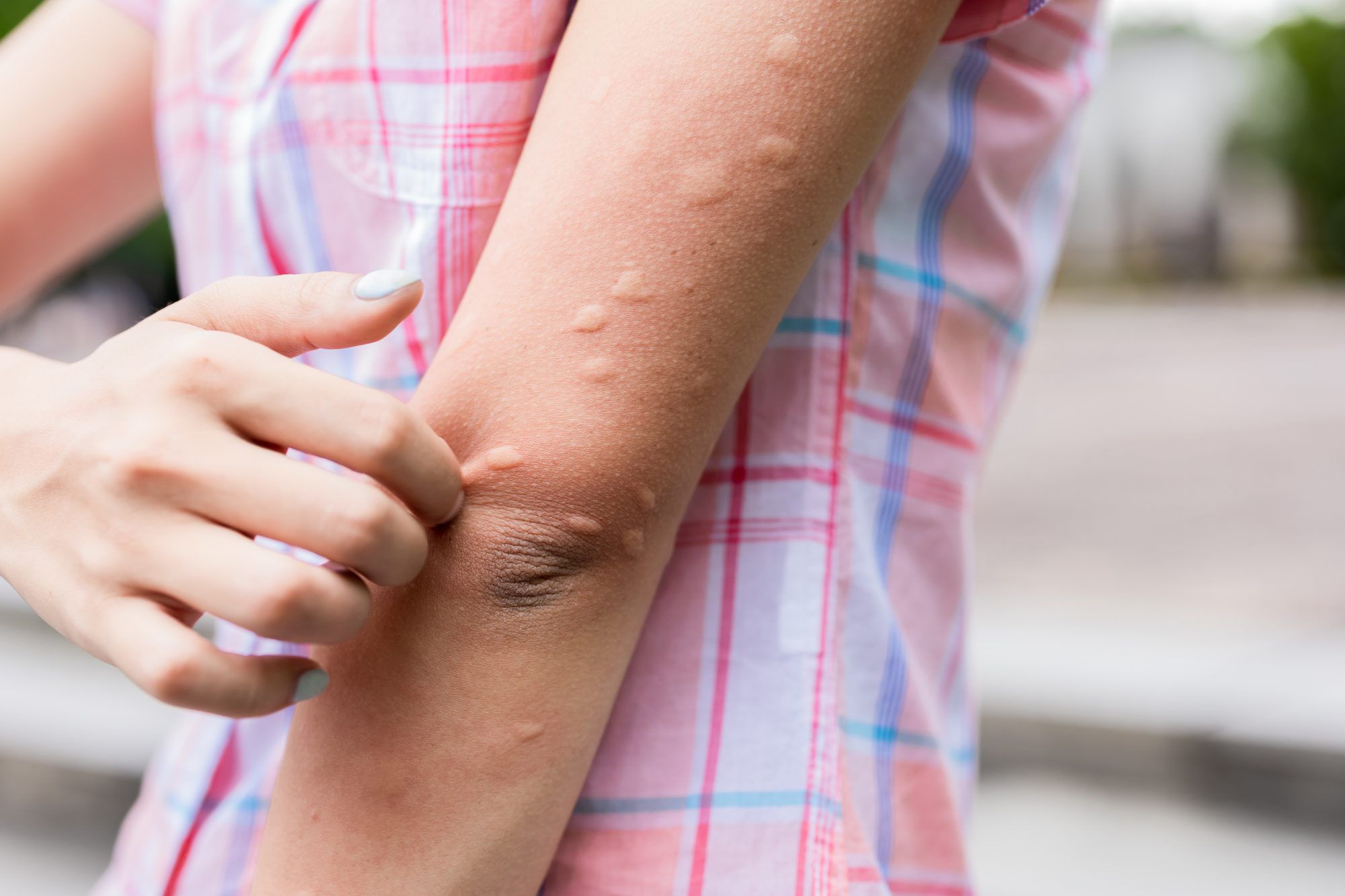
Allergic Reactions: Foods (shellfish, almonds, eggs, and milk), drugs (antibiotics, painkillers such aspirin or ibuprofen), bug bites, or latex can all cause allergic reactions.
Infections: Both bacterial (strep throat) and viral (like the common cold or hepatitis) infections are possible.
Physical factors: As with inducible urticaria, as previously stated.
Emotional Stress: While not a direct cause, emotional stress can make outbreaks worse in vulnerable people.
It is frequently impossible to identify an external reason for persistent urticaria. It is thought that autoimmune diseases, in which the body’s immune system targets mast cells, account for a sizable portion of these cases.
Diagnosis and Treatment
The patient’s medical history and physical examination are the main factors used to diagnose urticaria. The physician will attempt to determine the length of the outbreaks and potential causes.
The main goals of treatment are to reduce symptoms and, if at all possible, stay away from triggers:
Antihistamines: The cornerstone of treatment is antihistamines. They lessen itching and hive formation by blocking histamine’s activity. Prescription and over-the-counter antihistamines are also utilised.
Corticosteroids: To relieve inflammation in more severe or chronic situations, oral corticosteroids may be administered for a brief length of time.
Avoid Triggers: The most crucial step is to stay away from a particular trigger, such as a food or medicine, if one has been discovered.