What Health Experts Say About Leg Cramps at Night
Waking up in the middle of the night with a sudden, intense pain in your calf can feel brutal. One moment you’re asleep, the next your leg is locked in a tight, painful spasm that refuses to relax. Nighttime leg cramps are common — but that doesn’t mean they should be ignored.
Let’s break down what health experts actually say about leg cramps at night, why they happen, and when they may signal something more serious.
What Exactly Is a Night Leg Cramp?



A night leg cramp (also called nocturnal leg cramp) is a sudden, involuntary contraction of the muscles — most commonly in the calf, but sometimes in the thigh or foot.
These cramps:
-
Happen during sleep or rest
-
Cause sharp, intense pain
-
Can last from a few seconds to several minutes
-
May leave lingering soreness afterward
Unlike restless leg syndrome (which causes an urge to move), cramps involve real muscle tightening that you can physically feel.
Common Causes of Leg Cramps at Night
1. Muscle Fatigue and Overuse


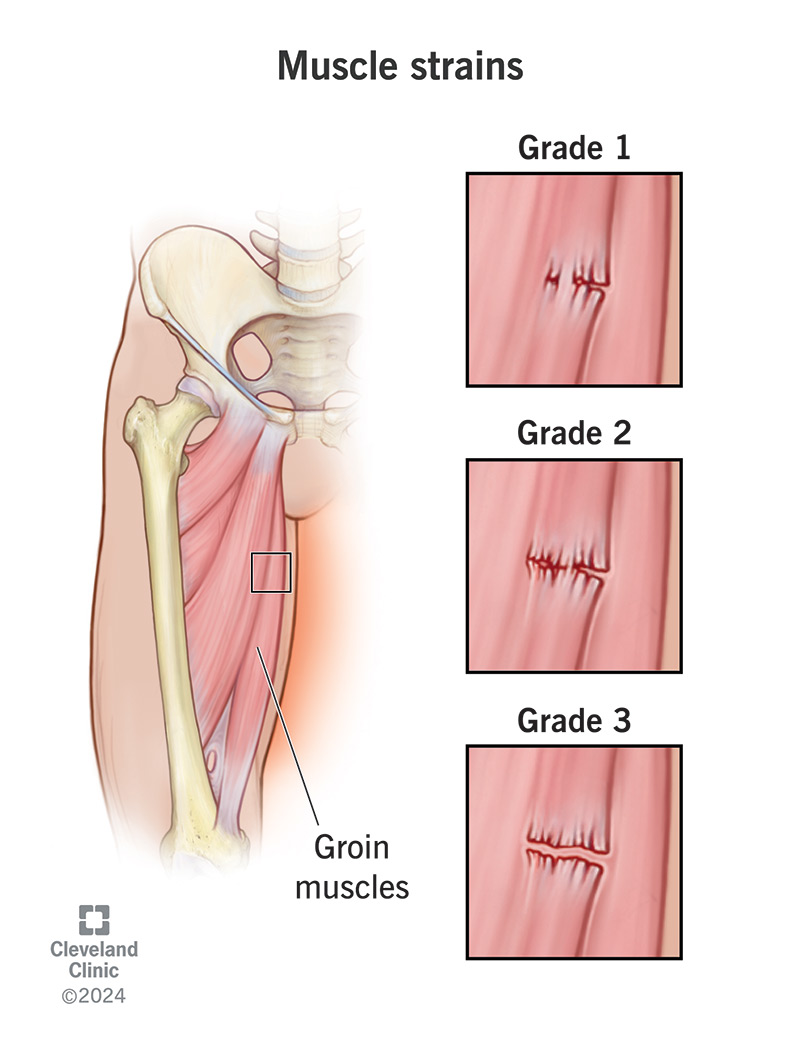
Overworking your leg muscles during the day — long walks, standing for hours, intense workouts — can increase the likelihood of cramps at night.
Muscles that are fatigued become more excitable and prone to involuntary contractions.
Even something as simple as wearing high heels all day can shorten calf muscles and trigger nighttime spasms.
2. Dehydration
Not drinking enough fluids reduces electrolyte balance in the body.
Electrolytes such as:
-
Potassium
-
Magnesium
-
Calcium
-
Sodium
…are critical for proper muscle contraction and relaxation. When levels are off, muscles may misfire.
Even mild dehydration can contribute — especially in hot weather or after sweating.
3. Poor Circulation


Reduced blood flow to the legs may contribute to cramps.
Conditions such as:
-
Peripheral artery disease (PAD)
-
Diabetes-related vascular changes
-
Prolonged sitting
…can impair oxygen delivery to muscles.
If cramps consistently occur during walking and improve with rest, circulation issues should be evaluated.
4. Nerve Compression or Spine Issues



Compression of nerves in the lower spine — such as from a herniated disc — can trigger muscle spasms in the legs.
Symptoms may include:
-
Shooting pain down one leg
-
Tingling or numbness
-
Weakness
If cramps are paired with neurological symptoms, medical imaging may be necessary.
When Are Night Leg Cramps a Red Flag?
Most nighttime leg cramps are harmless. However, experts advise seeking medical attention if cramps:
-
Occur frequently (multiple times per week)
-
Are severe and worsening
-
Are accompanied by swelling, redness, or warmth
-
Come with muscle weakness
-
Do not improve with stretching
Sudden leg pain with swelling and warmth could indicate a blood clot (deep vein thrombosis) — a medical emergency.
Who Is More Likely to Experience Night Cramps?
Certain groups are more prone to leg cramps:
-
Adults over 50
-
Pregnant women
-
Athletes
-
Individuals with diabetes
-
People taking diuretics
-
Those on certain blood pressure medications
As we age, muscle mass decreases and nerves become more sensitive, increasing cramp frequency.
How to Stop a Leg Cramp in the Moment
When a cramp strikes:
-
Stretch immediately – Flex your foot upward toward your shin.
-
Massage the muscle – Apply firm pressure.
-
Stand up carefully – Put weight on the leg if safe.
-
Apply warmth – A heating pad can relax tight muscle fibers.
Stretching is often the fastest relief.
How to Prevent Night Leg Cramps
Prevention strategies backed by experts include:
-
Gentle calf stretching before bed
-
Staying well hydrated
-
Maintaining balanced electrolytes
-
Avoiding prolonged sitting
-
Wearing supportive footwear
-
Managing underlying conditions
Some studies suggest magnesium supplements may help certain individuals — but supplementation should be discussed with a healthcare provider.
Are Leg Cramps Linked to Serious Disease?
In most cases, no.
However, recurring cramps can sometimes be associated with:
-
Kidney disease
-
Thyroid disorders
-
Nerve disorders
-
Circulatory problems
If cramps are new, persistent, or accompanied by other unexplained symptoms, evaluation is important.
The Bottom Line
Night leg cramps are common — but not always random.
They can be caused by muscle fatigue, dehydration, nerve irritation, or circulation issues. Most are benign and manageable with lifestyle adjustments.
But if cramps are frequent, severe, or paired with swelling, weakness, or persistent pain, don’t ignore them.
Your body uses pain as a signal. Listening early can prevent bigger problems later.
If nighttime leg cramps are disrupting sleep regularly, it’s worth discussing with a healthcare professional.
Because sometimes, what wakes you up at night deserves attention in the daylight.