Changes in intimate odor are a common concern for many women, yet it’s a topic that often feels uncomfortable to discuss. As illustrated in the image—showing a woman reacting to an unpleasant smell from her underwear—unexpected odor can cause embarrassment and anxiety. However, in most cases, it’s a natural or manageable issue.
Understanding the possible reasons behind changes in feminine odor can help women respond appropriately and maintain better intimate health.
1. Natural Hormonal Changes
A woman’s body goes through hormonal fluctuations throughout the menstrual cycle. Estrogen levels rise and fall, affecting vaginal pH levels and natural secretions. During ovulation, pregnancy, or menstruation, discharge may increase or slightly change in scent.
A mild, musky smell is usually normal. The vaginal area naturally contains beneficial bacteria that maintain a slightly acidic environment. When hormones shift, this balance can temporarily change, leading to a noticeable—but not necessarily harmful—odor.
If the smell is not strong, fishy, or accompanied by discomfort, it is often simply part of normal biological changes.
2. Bacterial Imbalance (Bacterial Vaginosis)
One of the most common medical causes of unusual odor is bacterial vaginosis (BV). This condition occurs when the natural balance of bacteria in the vagina becomes disrupted.
Symptoms may include:
-
A strong fish-like odor
-
Thin gray or white discharge
-
Increased smell after intercourse
BV is not classified strictly as a sexually transmitted infection, but sexual activity can influence bacterial balance. It is treatable with medication prescribed by a healthcare professional.
If odor becomes strong and persistent, seeking medical advice is recommended rather than attempting self-treatment with harsh cleansers or home remedies.
3. Poor Hygiene or Trapped Moisture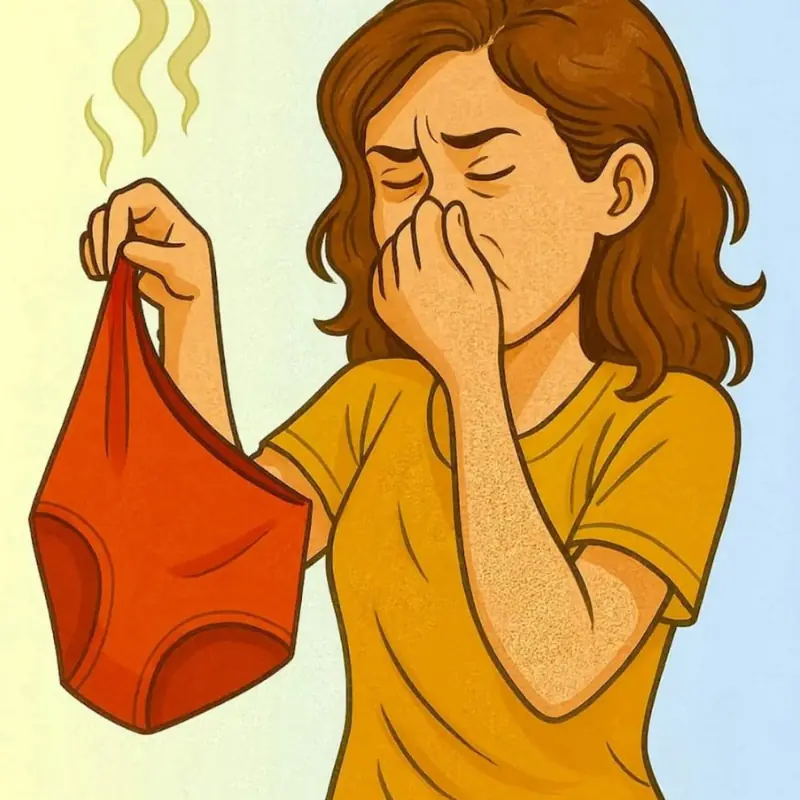
The intimate area is warm and often covered by tight clothing, which can trap sweat and moisture. When sweat mixes with bacteria on the skin, it can produce a stronger smell.
Common contributing factors include:
-
Wearing synthetic or tight underwear
-
Not changing out of sweaty clothes quickly
-
Infrequent washing
-
Using scented products that disrupt pH balance
Maintaining proper hygiene can help prevent odor. Gentle cleansing with water and mild, unscented soap on the external area is usually sufficient. The vagina itself is self-cleaning and does not require internal washing.
Wearing breathable cotton underwear and changing daily can also significantly reduce unwanted smells.
4. Infections or Underlying Conditions
Certain infections can cause stronger or unusual odors. Yeast infections typically cause itching and thick discharge, but they do not usually produce a strong odor. However, sexually transmitted infections (STIs) or other reproductive health conditions may cause changes in smell accompanied by additional symptoms.
Warning signs that require medical attention include:
-
Strong, persistent odor
-
Green or yellow discharge
-
Itching or burning
-
Pelvic pain
-
Pain during urination
Ignoring these symptoms may allow infections to worsen. Early diagnosis ensures faster and more effective treatment.
What Is Normal — and What Isn’t?
It’s important to understand that every woman has a natural scent. Expecting the intimate area to smell completely neutral or like perfume is unrealistic and often influenced by marketing myths.
Normal odor can vary throughout the month and may change slightly after exercise or sexual activity. The key concern is sudden, strong, or unpleasant odor that differs significantly from your usual pattern.
When to See a Doctor
If odor changes are accompanied by discomfort, abnormal discharge, itching, or pain, it’s best to consult a healthcare provider. Self-diagnosis can sometimes lead to unnecessary worry or improper treatment.
A simple examination can usually determine whether the cause is hormonal, hygienic, or infection-related.