
While both men and women can carry HPV, women face the greatest long-term risk because persistent HPV infection can lead to cervical cell changes that develop into cancer.
Many women are surprised to learn that certain behaviors from their male partners may increase their likelihood of HPV exposure and reinfection.
These habits do not directly “cause” cervical cancer, but they can significantly influence the risk.
Here are three intimate habits of husbands that every couple should understand — and what they can do to protect each other.
1. Having unprotected intercourse with multiple partners (past or present)
One of the strongest risk factors for cervical cancer is exposure to high-risk HPV types, especially HPV-16 and HPV-18.
When a husband has had multiple sexual partners — or currently engages in unprotected intercourse outside the marriage — the chance of bringing HPV into the relationship increases dramatically.
Important facts:
• HPV often has no symptoms
• Men can carry HPV for years without knowing
• Condoms reduce but do not eliminate transmission
• A woman may become infected even if she has only one lifetime partner
This is why many women with cervical cancer have never had multiple partners — HPV was transmitted unknowingly.
What couples can do:
Practice fidelity, use protection consistently, and discuss sexual health openly. Regular screening is essential.
2. Poor intimate hygiene before intercourse
Personal hygiene may seem simple, but it plays a surprisingly large role in viral and bacterial transmission.
When husbands neglect to clean properly, the genital area can harbor:
• viruses (including HPV)
• bacteria
• smegma buildup
• fungal overgrowth
This increases irritation and inflammation in the woman’s cervix, which makes it easier for HPV to infect cells or worsen an existing infection.
Inflamed cervical tissue is more vulnerable to viral penetration.
Healthy habits:
• wash before intercourse
• avoid harsh soaps
• maintain daily hygiene
• treat infections promptly
Small steps can significantly reduce cervical irritation and improve overall reproductive health for both partners.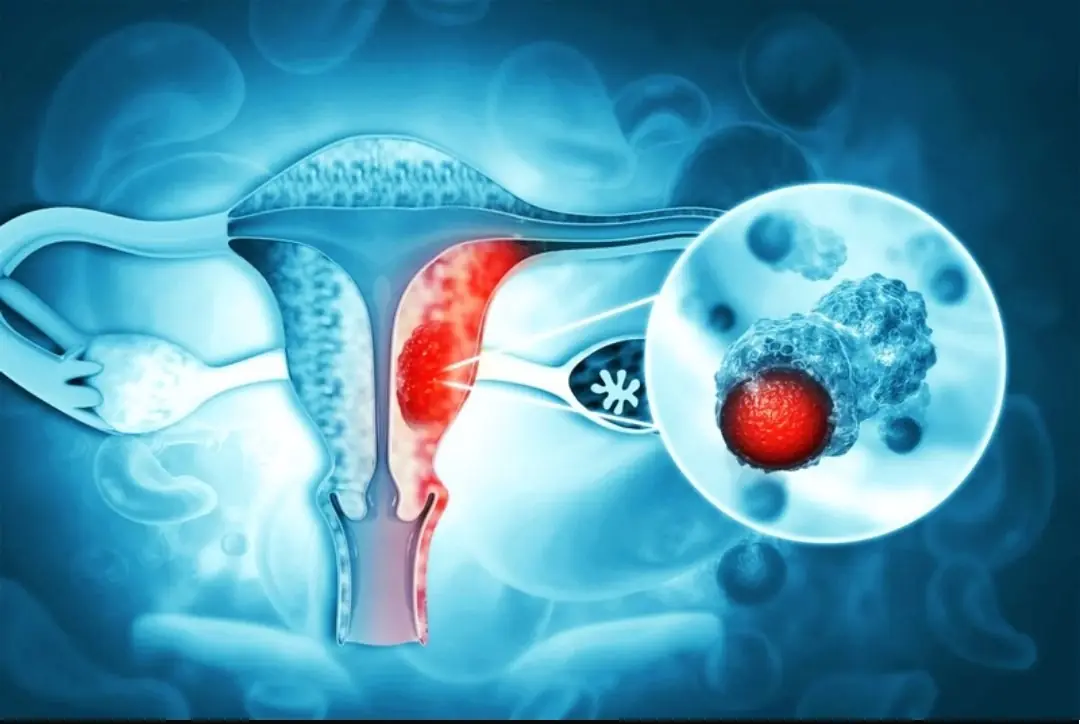
3. Refusing HPV vaccination or avoiding regular STI checks
Many people still believe HPV vaccination is “only for women,” but this is outdated.
Men are essential in breaking the chain of transmission.
HPV vaccination for men:
• reduces their risk of carrying and spreading the virus
• protects their partners
• lowers the chance of reinfection cycles within marriage
Moreover, when husbands skip STI checks or assume they are “healthy because they feel fine,” silent infections may continue unnoticed.
Fact:
Most men infected with HPV never develop symptoms.
But they can still transmit the virus.

What couples should do:
• husbands should consider HPV vaccination if eligible
• get routine STI screenings
• support wives in attending regular Pap smears and HPV tests
Prevention works best when both partners participate.
Why these habits matter
Cervical cancer does not appear overnight.
It develops slowly from persistent HPV infection over many years.
Anything that increases HPV exposure or weakens cervical health can raise the risk.
Understanding how intimate habits influence this is critical — not to assign blame but to strengthen partnership and prevention.
How couples can protect each other
Here’s what truly makes a difference:
1. Practice mutual fidelity
Monogamy with an uninfected partner dramatically lowers HPV exposure risk.
2. Maintain good hygiene
Simple, consistent cleanliness reduces irritation and infection risk.
3. Consider HPV vaccination for both partners
It is one of the safest and most effective ways to prevent cervical cancer.
4. Support regular screening
Pap smears and HPV tests can detect early changes before they become dangerous.
5. Communicate openly
Healthy relationships improve health outcomes — including sexual health.
Bottom line
Cervical cancer is largely preventable.
By understanding how certain husband-related habits influence HPV exposure, couples can take simple, science-based steps to protect each other.
This isn’t about blame — it’s about awareness, teamwork, and giving every woman the chance to stay healthy for the long term.