Swelling in the hands and feet may seem minor at first — a little puffiness after a long day, tight shoes by evening, or rings that suddenly feel snug. But as shown in the image of a noticeably swollen foot, persistent or unusual swelling can sometimes signal that your body is trying to communicate something important.
Medically known as edema, swelling occurs when excess fluid builds up in the tissues. While it can be harmless and temporary, it may also indicate underlying health conditions that require attention.
Here’s what swollen hands and feet could mean.
1. Fluid Retention From Lifestyle Factors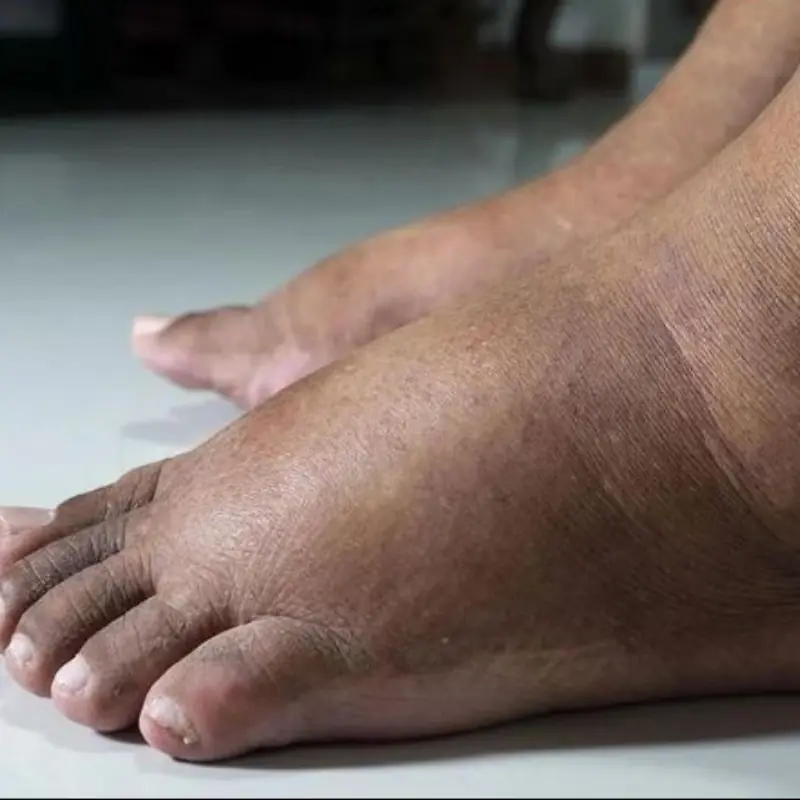
One of the most common causes of swelling is simple fluid retention. This can happen due to:
-
Standing or sitting for long periods
-
Eating too much salt
-
Dehydration
-
Hot weather
-
Hormonal changes
When you remain in one position for hours, gravity pulls fluid downward, especially into the feet and ankles. High sodium intake can cause the body to hold onto water, increasing puffiness.
In these cases, swelling usually improves with movement, hydration, reducing salt intake, or elevating the legs.
2. Hormonal Changes
Hormonal fluctuations — especially during pregnancy or the menstrual cycle — can trigger mild swelling. During pregnancy, the body produces more blood and fluids to support the baby, which can cause swelling in the hands, feet, and ankles.
However, sudden or severe swelling during pregnancy, particularly if accompanied by headaches or vision changes, could indicate preeclampsia — a serious condition requiring immediate medical attention.
3. Circulatory Issues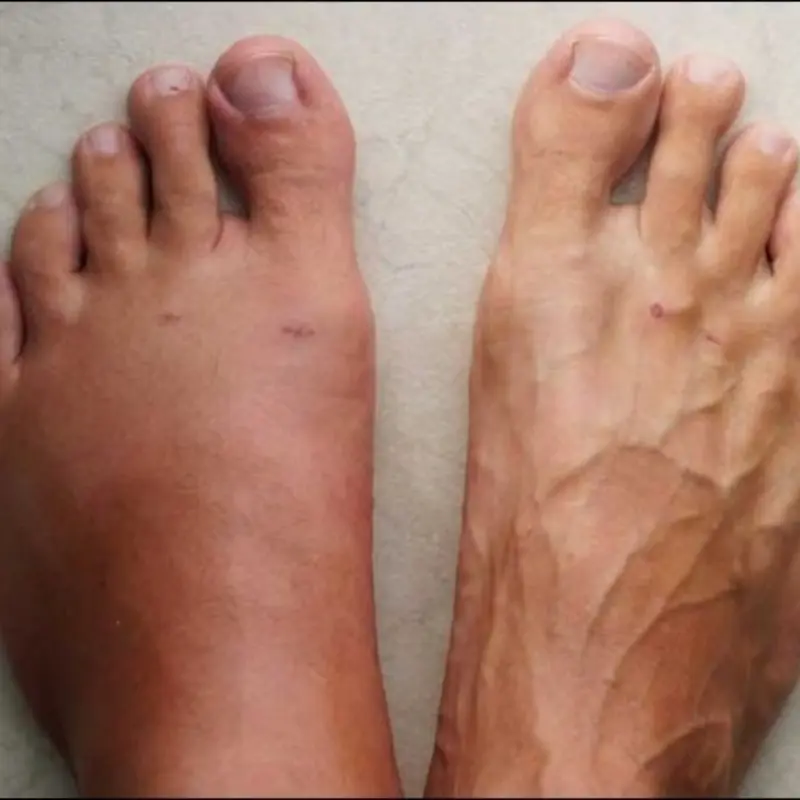
Swelling can also point to circulation problems. When blood flow through the veins is inefficient, fluid may leak into surrounding tissues.
Conditions such as chronic venous insufficiency or blood clots (deep vein thrombosis) can cause swelling, often in one leg more than the other. Warning signs include:
-
Pain or tenderness
-
Warmth in the affected area
-
Red or discolored skin
If swelling appears suddenly and is accompanied by pain, it’s important to seek medical care promptly.
4. Kidney Problems
Your kidneys regulate fluid balance in the body. If they are not functioning properly, excess fluid and sodium may accumulate, leading to swelling in the hands, feet, and around the eyes.
Other possible signs of kidney issues include:
-
Changes in urination
-
Fatigue
-
Shortness of breath
-
Foamy urine
Persistent swelling without a clear cause should always be evaluated by a healthcare professional.
5. Heart Conditions
The heart plays a key role in circulating blood throughout the body. If the heart is weakened and cannot pump efficiently, fluid may back up in the extremities, causing swelling — especially in the legs and feet.
This type of swelling often worsens by the end of the day and may be accompanied by:
-
Shortness of breath
-
Fatigue
-
Rapid heartbeat
Heart-related swelling typically requires medical treatment and should not be ignored.
6. Liver Disorders
The liver helps produce proteins that keep fluid within blood vessels. If liver function is impaired, fluid may leak into tissues, causing swelling in the legs and abdomen.
While less common than other causes, liver-related edema may appear alongside symptoms like jaundice (yellowing of the skin), easy bruising, or abdominal swelling.
When Is Swelling Normal — and When Is It Not?
Mild swelling that resolves quickly and occurs occasionally is often harmless. However, you should consult a doctor if swelling:
-
Persists for several days
-
Is sudden or severe
-
Affects only one limb
-
Is accompanied by pain, redness, or breathing difficulty
Listening to your body is essential. Swelling is a visible sign that fluid balance may be disrupted.
What You Can Do
For mild swelling, consider:
-
Reducing salt intake
-
Drinking adequate water
-
Elevating your legs
-
Moving regularly throughout the day
-
Wearing comfortable footwear
However, self-treatment should not replace professional evaluation if symptoms are concerning.
Final Thoughts
Swollen hands and feet are not always dangerous, but they should never be dismissed without thought. Sometimes they reflect simple lifestyle factors; other times, they signal something more serious.
Your body often gives early warning signs before major health issues develop. Paying attention to persistent swelling and seeking medical advice when necessary can make a significant difference in long-term health.