“2 Red, 2 Itchy, 2 Smelly” – Could These Be Warning Signs of Liver Cancer?
The liver is one of the most vital organs in the body. It filters toxins, processes nutrients, produces bile, regulates blood clotting, and supports metabolism. Yet when the liver begins to fail — whether from chronic disease or liver cancer — the early symptoms are often subtle.
Some health educators use the phrase “2 red, 2 itchy, 2 smelly” to help people remember possible warning signs of serious liver problems. While this phrase is not a medical diagnosis tool, it can highlight symptoms that deserve attention.
Let’s break it down clearly and scientifically.
The “2 Red” Signs
1. Red Palms (Palmar Erythema)


Redness of the palms — particularly symmetrical redness over the base of the thumb and little finger — can be associated with chronic liver disease.
This occurs because liver dysfunction affects hormone metabolism and blood vessel dilation.
Important note:
Red palms can also appear in pregnancy, thyroid disease, or even without illness. It is not automatically cancer. But persistent redness combined with other symptoms warrants evaluation.
2. Red Spots on the Skin (Spider Angiomas)

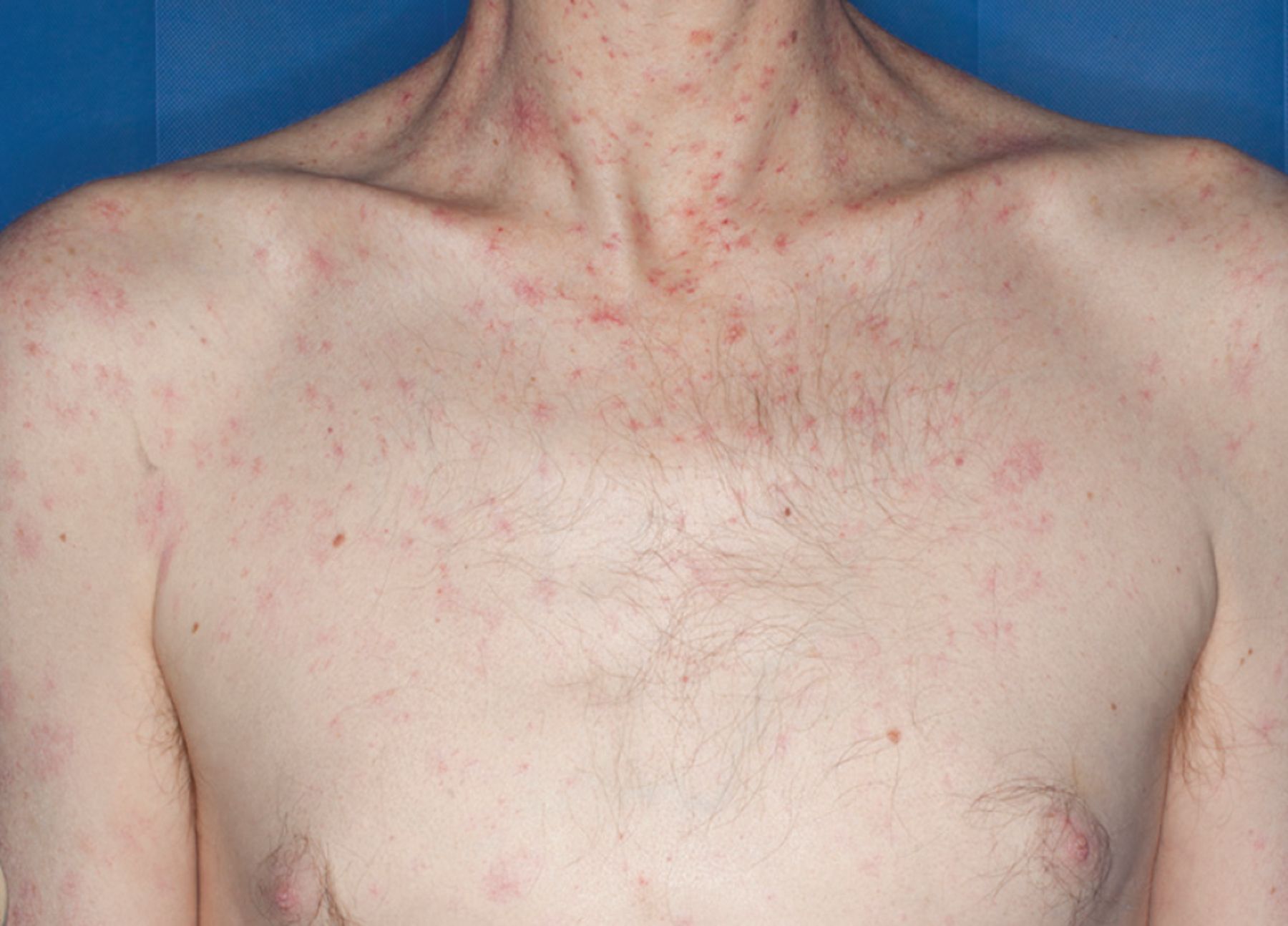
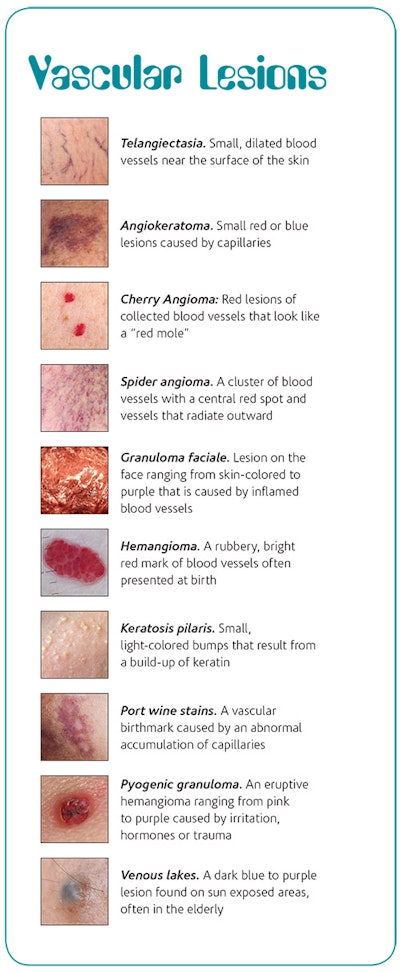
Small red, spider-like blood vessels may appear on the chest, neck, or face. These are called spider angiomas.
They form due to hormonal imbalance and increased estrogen levels when the liver cannot properly metabolize hormones.
Multiple spider angiomas — especially in adults with risk factors — may indicate chronic liver disease.
The “2 Itchy” Signs
3. Persistent, Unexplained Itching (Pruritus)


Chronic itching without visible rash can be linked to liver dysfunction.
When bile flow is impaired, bile salts may accumulate in the bloodstream and irritate nerve endings in the skin.
This itching:
Often worsens at night
May affect palms and soles
Does not improve with typical creams
Persistent unexplained itching should not be ignored.
4. Yellowing of the Skin and Eyes (Jaundice)

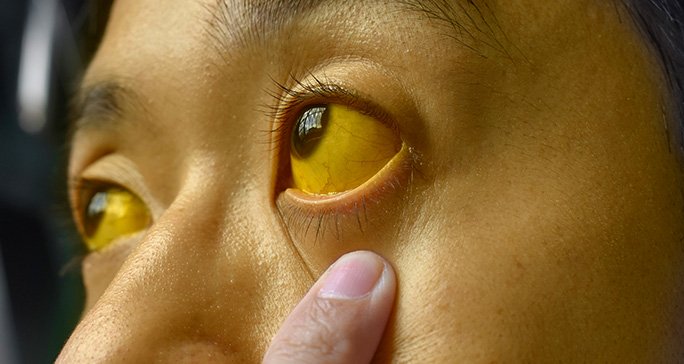

Although not literally “itchy,” jaundice often accompanies pruritus in liver disease.
Jaundice occurs when bilirubin builds up due to impaired liver processing.
Signs include:
Yellowing of the whites of the eyes
Yellow skin tone
Dark urine
Jaundice is a serious sign requiring immediate medical evaluation.
The “2 Smelly” Signs
5. Strong, Unusual Body or Breath Odor (Fetor Hepaticus)
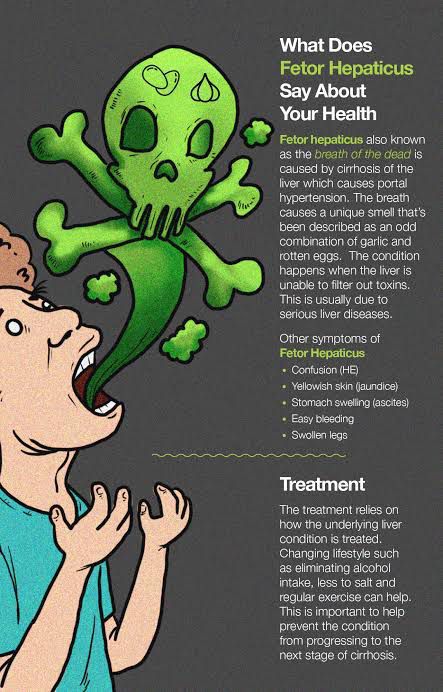
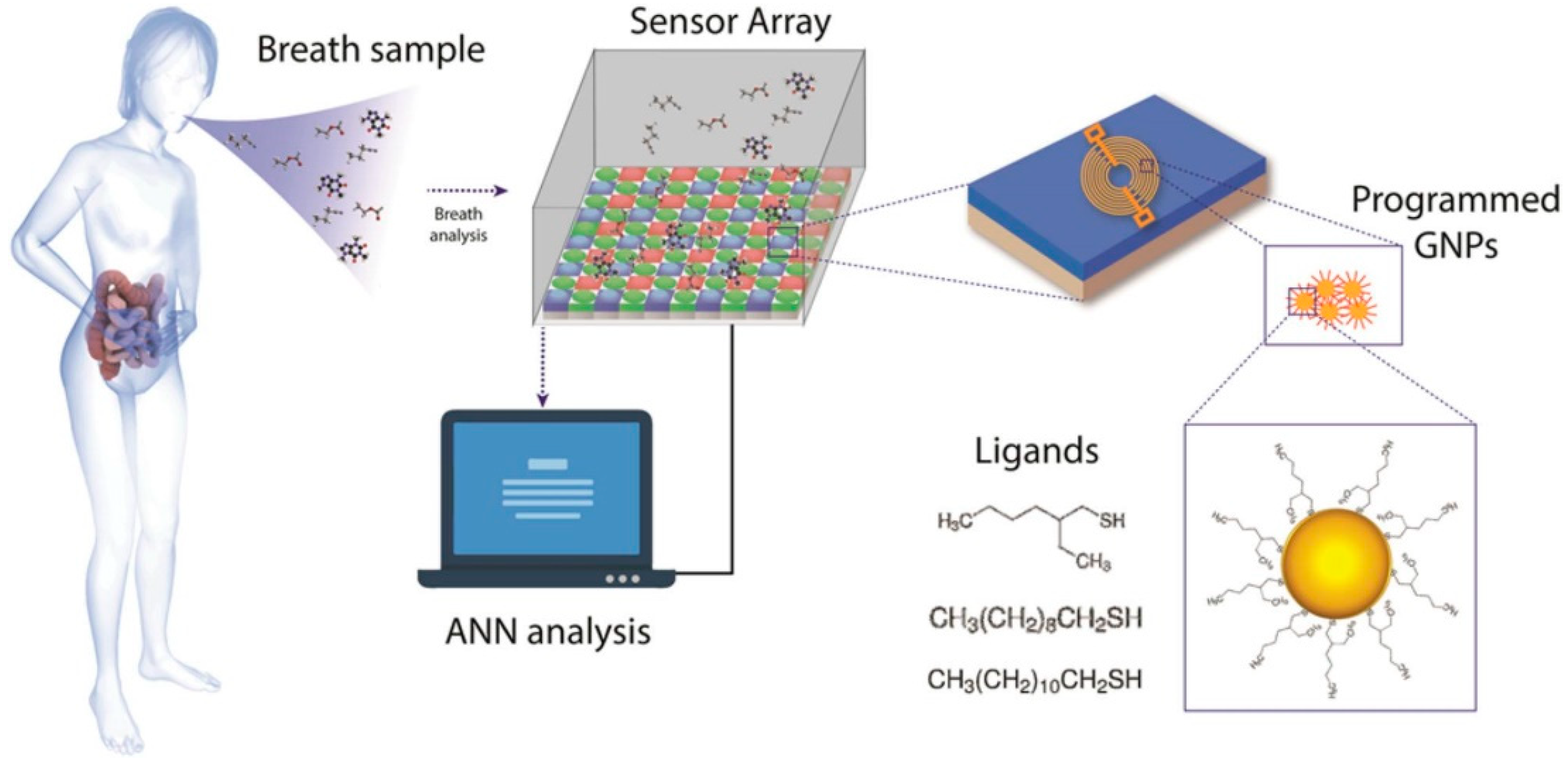
In advanced liver dysfunction, toxins normally filtered by the liver accumulate in the bloodstream.
This may cause a distinct, musty or sweet odor on the breath called fetor hepaticus.
It is uncommon in early disease but may occur in advanced liver failure.
6. Foul-Smelling, Pale Stool


Healthy bile gives stool its normal brown color. If bile flow is blocked, stool may appear:
Pale or clay-colored
Greasy
Foul-smelling
This can indicate bile duct obstruction, severe liver dysfunction, or pancreatic issues.
Persistent changes in stool color and odor require medical investigation.
Is This Always Liver Cancer?
No.
These symptoms are more commonly associated with:
Chronic hepatitis
Fatty liver disease
Cirrhosis
Bile duct disorders
Liver cancer often develops in people with pre-existing liver disease. Early-stage liver cancer may cause no symptoms at all.
That’s why regular screening is crucial for high-risk individuals.
Who Is at Higher Risk for Liver Cancer?
Higher-risk groups include:
Individuals with chronic hepatitis B or C
Those with cirrhosis
Heavy alcohol use
Non-alcoholic fatty liver disease
Family history of liver cancer
For these individuals, doctors may recommend routine ultrasound and blood tests (such as alpha-fetoprotein levels).
When to See a Doctor
Seek medical evaluation if you experience:
Persistent jaundice
Ongoing unexplained itching
Significant changes in stool color
Unintentional weight loss
Abdominal swelling or pain
Early detection significantly improves treatment options.
Important Perspective
The phrase “2 red, 2 itchy, 2 smelly” is a memory tool — not a diagnosis.
Many benign conditions can cause these symptoms.
But persistent, unexplained changes should never be ignored, especially in individuals with known liver risk factors.
Final Thoughts
The liver performs hundreds of essential functions silently every day. When it begins to struggle, the body may show subtle external clues.
Red palms. Itching without rash. Yellowing of the eyes. Pale stool. Unusual breath odor.
These are signals — not conclusions.
If multiple symptoms appear or worsen, consult a healthcare professional promptly.
Early evaluation can clarify the cause and potentially prevent serious complications.
Your body communicates. The key is listening before the damage becomes severe.