Sleeping without a pillow may sound unusual, especially in cultures where thick, cushioned pillows are considered essential for comfort. Yet some people intentionally remove their pillow, believing it improves posture, reduces neck pain, or supports spinal alignment. Others do it out of curiosity or minimalism.
But what actually happens to your body when you stop using a pillow? The answer depends heavily on your sleeping position, body structure, and existing health conditions.
Let’s explore the physiological effects — both potential benefits and drawbacks.

The Role of a Pillow in Sleep
A pillow’s primary purpose is to support the natural curve of your cervical spine (the neck portion of the spine). Ideally, your head, neck, and spine should remain aligned while you sleep.
A pillow can:
-
Maintain neutral spinal alignment
-
Reduce pressure on neck muscles
-
Prevent strain on ligaments
-
Improve breathing posture
Removing it changes the angle of your head and neck — which may help or harm depending on how you sleep.
1. Effects on Spinal Alignment
For Back Sleepers
If you sleep on your back, removing a thick pillow may actually improve alignment. Many traditional pillows push the head too far forward, creating a forward-flexed neck position.
Sleeping without a pillow may:
-
Keep the spine more neutral
-
Reduce forward head posture
-
Decrease tension in the upper back
However, completely eliminating head support may cause the neck to extend backward slightly, especially on very soft mattresses.
Moderation is key — some back sleepers benefit more from a thin, supportive pillow rather than none at all.
For Stomach Sleepers
Stomach sleepers may experience the most noticeable benefit from ditching a pillow.
When lying face-down, a pillow often forces the neck into excessive extension and rotation. Removing it can:
-
Reduce unnatural neck twisting
-
Lower strain on cervical joints
-
Decrease morning neck stiffness
That said, stomach sleeping itself is generally not ideal for spinal health due to lower back arching.
For Side Sleepers
Side sleepers are least likely to benefit from going pillow-free.
Without a pillow, the head tilts downward toward the mattress, causing:
-
Lateral neck bending
-
Shoulder compression
-
Uneven spinal alignment
Over time, this may increase neck pain, shoulder tightness, or headaches.
Side sleepers typically require a pillow thick enough to fill the gap between head and mattress.
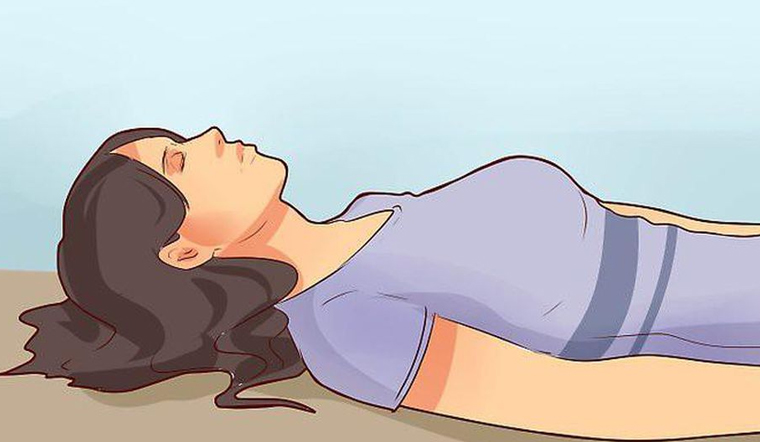
2. Neck and Muscle Tension
Your neck muscles remain active during sleep to maintain head stability. Without adequate support, muscles may compensate, leading to:
-
Morning stiffness
-
Muscle tightness
-
Reduced range of motion
However, if your current pillow is too thick or firm, removing it may relieve tension rather than create it.
It often depends on whether the pillow was causing over-flexion or poor alignment to begin with.
3. Impact on Breathing and Airway
Pillow height affects airway positioning.
In some individuals:
-
A high pillow may compress the airway
-
A flat surface may open the airway
However, those with sleep apnea or acid reflux may require slight elevation to reduce symptoms.
Sleeping flat without a pillow may worsen:
-
Snoring (in certain cases)
-
Acid reflux symptoms
-
Nasal congestion
Again, individual anatomy plays a significant role.
4. Skin and Facial Effects
Interestingly, some people stop using pillows for cosmetic reasons.
Sleeping with your face pressed into a pillow can contribute to:
-
Sleep lines
-
Skin compression
-
Friction-related irritation
Sleeping flat on your back without a pillow may reduce facial pressure and minimize crease formation.
However, this is only beneficial if spinal alignment is not compromised.

5. Headaches and Tension
Poor neck positioning during sleep is a common trigger for tension headaches.
If a pillow causes unnatural neck angles, removing it may reduce headache frequency.
On the other hand, lack of support may strain muscles and increase discomfort in some individuals.
Observing how your body feels over several days is important before drawing conclusions.
6. Adaptation Period
If you decide to stop using a pillow, your body may need time to adjust.
Initial reactions may include:
-
Mild neck soreness
-
Stiffness
-
Temporary discomfort
These symptoms often reflect muscle adaptation rather than injury.
If pain persists beyond a week, reconsider your setup.
Who Might Benefit Most?
Sleeping without a pillow may be suitable for:
-
Stomach sleepers
-
Individuals with overly thick pillows
-
Those aiming to correct forward head posture
-
People experimenting with minimalist sleep setups
However, it may not be ideal for:
-
Side sleepers
-
Individuals with chronic neck issues
-
People with sleep apnea
-
Those with acid reflux
A Balanced Alternative
Rather than eliminating pillows entirely, consider:
-
Switching to a thinner pillow
-
Using a cervical-support pillow
-
Choosing memory foam for contouring
-
Adjusting mattress firmness
The goal is neutral alignment — not strict pillow avoidance.
Final Thoughts
Stopping the use of a pillow changes how your neck and spine align during sleep. For some people — especially stomach sleepers — it may reduce strain. For others, particularly side sleepers, it may increase discomfort.
There is no universal rule. The healthiest sleep position is one that keeps your spine aligned and allows muscles to relax fully.
The best approach is to observe your body’s response carefully. If you wake up feeling rested, pain-free, and aligned, your setup is likely working.
In sleep, comfort and alignment matter more than trends.
Your body will always give the most honest feedback.