The relationship between blood type and disease risk has fascinated researchers for decades. While lifestyle factors such as diet, smoking, and infections play major roles in cancer development, scientists have also explored whether inherited traits — including blood group — influence susceptibility to certain conditions.
Among these associations, one of the most studied links is between ABO blood type and stomach (gastric) cancer. Research suggests that individuals with blood type A may have a slightly higher risk of developing stomach cancer compared to other blood groups. However, this increased likelihood does not mean that blood type alone determines fate.
Understanding the science behind this connection can help clarify what truly matters in prevention and early detection.
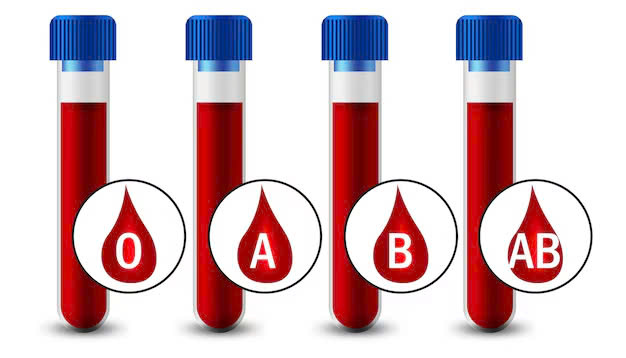
Understanding ABO Blood Groups
Human blood types are classified into four main categories:
-
Type A
-
Type B
-
Type AB
-
Type O
These types are determined by specific antigens present on the surface of red blood cells. These antigens are genetically inherited and remain constant throughout life.
Beyond transfusion compatibility, ABO blood group antigens are also expressed in various tissues, including the lining of the gastrointestinal tract — which may partially explain their connection to stomach disease.
The Research Behind Blood Type A and Stomach Cancer
Several epidemiological studies conducted over decades have observed a modest but consistent pattern: individuals with blood type A appear to have a slightly higher incidence of gastric cancer compared to those with type O.
While the increased risk is not dramatic, it has been statistically significant in certain populations.
Researchers believe several biological mechanisms may explain this association.
Possible Biological Explanations
1. Interaction with Helicobacter pylori
One of the strongest risk factors for stomach cancer is infection with Helicobacter pylori (H. pylori), a bacterium that colonizes the stomach lining.
Studies suggest that blood group antigens may influence how easily H. pylori attaches to stomach cells.
Some findings indicate that individuals with certain blood types may experience:
-
Stronger inflammatory responses
-
Greater bacterial adherence
-
Increased long-term gastric irritation
Chronic inflammation caused by H. pylori infection is a major driver of gastric cancer development.
2. Inflammatory and Immune Differences
Blood group antigens may affect immune system behavior.
Type A individuals may exhibit subtle variations in inflammatory responses that influence:
-
Tissue repair
-
Cellular turnover
-
Tumor suppression mechanisms
Although these differences are complex and not fully understood, chronic inflammation is a well-established contributor to cancer risk.
3. Gastric Mucosal Changes
The stomach lining constantly renews itself. Genetic variations, including ABO blood group expression in epithelial cells, may influence cellular adhesion and signaling pathways.
Alterations in these processes may affect how gastric cells respond to damage over time.
.jpg)
Important Perspective: Blood Type Is Only One Factor
It is essential to understand that blood type is not a primary cause of stomach cancer.
Major risk factors include:
-
Chronic H. pylori infection
-
Smoking
-
High salt intake
-
Diet low in fruits and vegetables
-
Processed meat consumption
-
Obesity
-
Family history of gastric cancer
In fact, lifestyle and environmental factors play a far larger role than blood group alone.
Blood type may slightly modify risk — but it does not determine outcome.
Who Should Be Especially Vigilant?
Regardless of blood type, individuals should seek medical evaluation if they experience:
-
Persistent stomach pain
-
Unexplained weight loss
-
Difficulty swallowing
-
Frequent nausea or vomiting
-
Blood in stool
-
Chronic indigestion
Early gastric cancer often produces subtle symptoms, which makes awareness critical.
Prevention Strategies That Matter Most
While you cannot change your blood type, you can significantly reduce stomach cancer risk through lifestyle measures.
1. Test and Treat H. pylori
If diagnosed, proper antibiotic treatment can reduce long-term inflammation and cancer risk.
2. Stop Smoking
Smoking increases gastric cancer risk substantially.
3. Improve Diet
Increase intake of:
-
Fresh fruits
-
Vegetables
-
Fiber-rich foods
Reduce:
-
Salt-preserved foods
-
Smoked meats
-
Highly processed products
4. Maintain Healthy Weight
Obesity contributes to various cancer risks, including gastrointestinal cancers.

Is Screening Recommended?
Routine screening for stomach cancer is not common in many countries unless individuals are considered high-risk.
However, those with:
-
Family history
-
Persistent symptoms
-
Chronic gastritis
-
Known H. pylori infection
may require closer monitoring through endoscopy or medical imaging.
The Bigger Picture
Medical research continues to explore genetic predispositions, including blood type, as part of understanding disease risk patterns.
However, the effect size of blood type A on stomach cancer risk is relatively modest compared to lifestyle and infection-related factors.
In other words:
Blood type may slightly tilt the scale — but behavior and environment weigh much more heavily.
Final Thoughts
Physicians and researchers have observed that individuals with blood type A may have a somewhat higher likelihood of developing stomach cancer compared to other blood groups. The reasons likely involve interactions with H. pylori infection, immune response differences, and inflammatory pathways.
However, blood type is not destiny.
The most powerful preventive tools remain:
-
Early detection
-
Healthy dietary habits
-
Infection management
-
Smoking cessation
-
Medical awareness
Understanding risk factors empowers proactive health decisions.
While genetics set the background, lifestyle choices often shape the outcome.