Bathroom grout mold is a stubborn and frustrating problem. The dark streaks creeping along tile lines are not only unsightly but may also signal excess moisture and poor ventilation. Many people instinctively reach for bleach. While bleach can lighten mold stains temporarily, it often fails to eliminate mold at its roots — especially in porous grout.
There is a simple two-ingredient method that can be surprisingly effective: baking soda and white vinegar.
When used correctly, this combination may help remove visible mold, neutralize odor, and improve grout appearance — often outperforming bleach in porous surfaces.
Why Bleach Often Falls Short
Bleach is a strong surface disinfectant. However:
-
It is mostly water (about 90%).
-
On porous surfaces like grout, water penetrates deeper than the chlorine.
-
The chlorine evaporates quickly.
-
Mold roots beneath the surface may survive.
As a result, mold can return within days or weeks.
Bleach may also release strong fumes, irritate lungs, and damage colored grout over time.
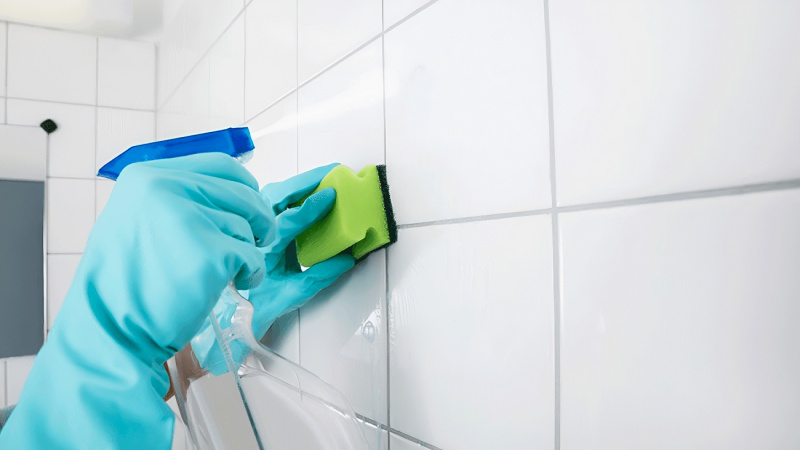
The Two-Ingredient Alternative
Ingredients:
-
Baking soda (sodium bicarbonate)
-
White distilled vinegar
These two common household items work together through chemical reaction and mechanical cleaning.
Why This Combination Works
1. Baking Soda
-
Mild abrasive
-
Natural deodorizer
-
Helps break down surface buildup
-
Raises pH to create less favorable conditions for mold
2. White Vinegar
-
Mild acid (acetic acid)
-
Helps dissolve mineral deposits
-
May inhibit some mold species
-
Penetrates porous surfaces better than bleach
When combined, they create a fizzing reaction that helps lift grime from grout lines.
Step-by-Step Instructions
Step 1: Prepare the Surface
-
Ensure the grout is dry.
-
Improve ventilation by opening windows or turning on a fan.
Step 2: Apply Baking Soda
-
Sprinkle baking soda generously over moldy grout lines.
-
Press it lightly into the grout.
Step 3: Add Vinegar
-
Pour vinegar into a spray bottle.
-
Spray directly onto the baking soda.
-
Allow it to fizz and react for 5–10 minutes.
Step 4: Scrub Thoroughly
-
Use a stiff brush or old toothbrush.
-
Scrub along grout lines with firm pressure.
Step 5: Rinse and Dry
-
Wipe clean with warm water.
-
Dry completely with a towel to prevent regrowth.

Why Drying Is Critical
Mold thrives in moisture.
After cleaning:
-
Dry grout thoroughly.
-
Use a fan if necessary.
-
Leave shower doors open.
Without moisture control, mold may return regardless of cleaning method.
When to Repeat
For heavy buildup:
-
Repeat treatment once or twice weekly.
-
Severe staining may require multiple sessions.
Consistent maintenance prevents deep mold embedding.
Additional Boost Option
For tougher cases, hydrogen peroxide (3%) may be used separately after the baking soda scrub. It can help brighten grout without harsh fumes.
Never mix hydrogen peroxide directly with vinegar in a closed container.
Preventing Mold Long-Term
Cleaning alone is not enough. Prevention is key.
Improve Ventilation
-
Use an exhaust fan during and after showers.
-
Keep bathroom doors open when possible.
Reduce Moisture Retention
-
Wipe down shower walls.
-
Use a squeegee after bathing.
-
Repair leaks immediately.
Seal Grout
Applying a grout sealant annually can reduce moisture absorption and mold growth.

Safety Considerations
Although baking soda and vinegar are safer than bleach, basic precautions still apply:
-
Avoid mixing cleaning chemicals randomly.
-
Wear gloves if skin is sensitive.
-
Ensure adequate ventilation.
-
Keep products away from eyes.
Why This Method Often Feels More Effective
Unlike bleach, this combination:
-
Scrubs physically and chemically
-
Neutralizes odors rather than masking them
-
Is less harsh on grout over time
-
Produces fewer toxic fumes
The fizzing action also helps lift embedded grime that bleach may simply discolor.
When Professional Help Is Needed
If mold:
-
Covers large areas
-
Returns quickly despite cleaning
-
Is accompanied by wall damage
-
Appears behind tiles
there may be deeper structural moisture problems requiring professional assessment.
Final Thoughts
Bathroom grout mold is common — but it does not require harsh chemicals to manage.
A simple two-ingredient method using baking soda and white vinegar can effectively remove visible mold while being gentler on surfaces and indoor air quality.
The key steps are:
-
Apply generously
-
Allow reaction time
-
Scrub thoroughly
-
Dry completely
With regular maintenance and proper ventilation, grout can remain clean, bright, and mold-resistant.
Sometimes the simplest solutions are the most reliable and safer for both your home and your health.