When the itching first started, it seemed minor. A little irritation on his arms, then his back, then his legs. Within days, the sensation had spread across nearly his entire body. It was persistent, distracting, and worse at night.
Like many people would, he assumed it was an allergic reaction.
Maybe it was a new detergent. Maybe seasonal pollen. Maybe something he ate. He tried over-the-counter antihistamines and switched soaps. For a short time, the symptoms seemed to ease — but they always returned.
What made it more confusing was the absence of a typical rash. There were no obvious hives, no dramatic swelling, no clear trigger. Just ongoing, uncomfortable itching that wouldn’t fully go away.
After several weeks, he decided to see a doctor.
When Itching Is More Than Skin Deep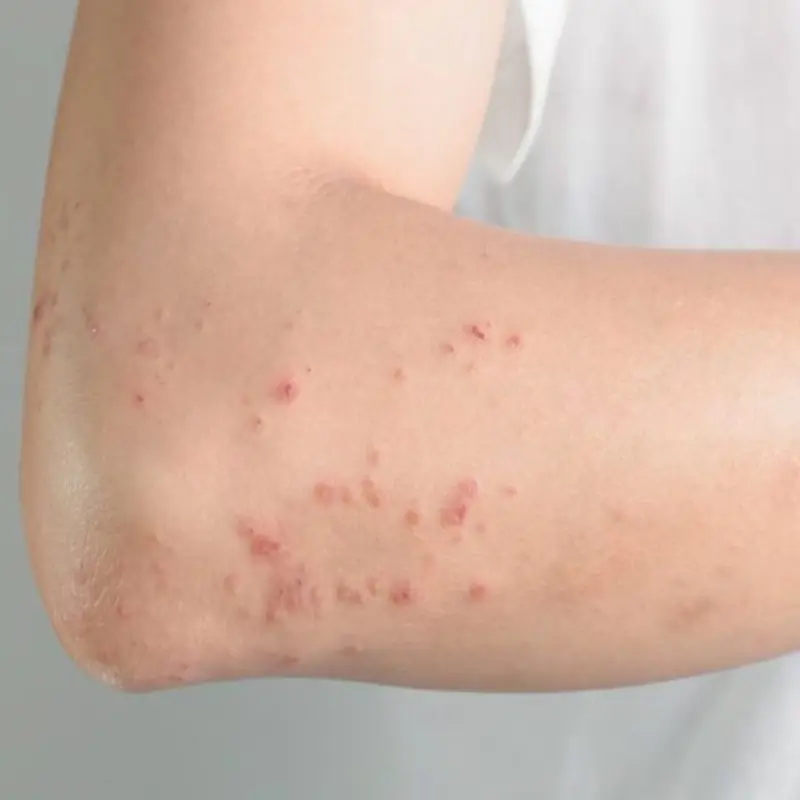
Itching, medically known as pruritus, is often linked to skin conditions or allergic reactions. In most cases, it is harmless and temporary. Dry skin, environmental irritants, insect bites, and mild allergic responses are common causes.
But when itching becomes widespread, persistent, and unexplained, doctors sometimes look beyond the skin.
During his appointment, the physician asked detailed questions:
Was the itching worse at night?
Were there any recent changes in diet or medication?
Any fatigue, digestive discomfort, or unexplained weight changes?
Although he felt generally healthy, he admitted he had been more tired than usual. Nothing dramatic — just a subtle sense of low energy.
The doctor ordered routine blood work to rule out underlying causes.
The Unexpected Findings
The lab results revealed abnormal liver enzyme levels.
The liver plays a critical role in filtering toxins, processing nutrients, and producing bile. When it isn’t functioning optimally, certain substances can build up in the bloodstream. One of them is bile salts, which, when elevated, may lead to itching without a visible rash.
In his case, imaging tests later suggested early-stage liver inflammation. It wasn’t severe, but it required attention.
He was surprised. He rarely drank alcohol and didn’t consider himself at risk for liver issues. However, doctors explained that liver stress can have many causes — including fatty liver disease, viral infections, medication side effects, or metabolic conditions.
Importantly, his condition had been caught early.
Why Liver Issues Can Cause Itching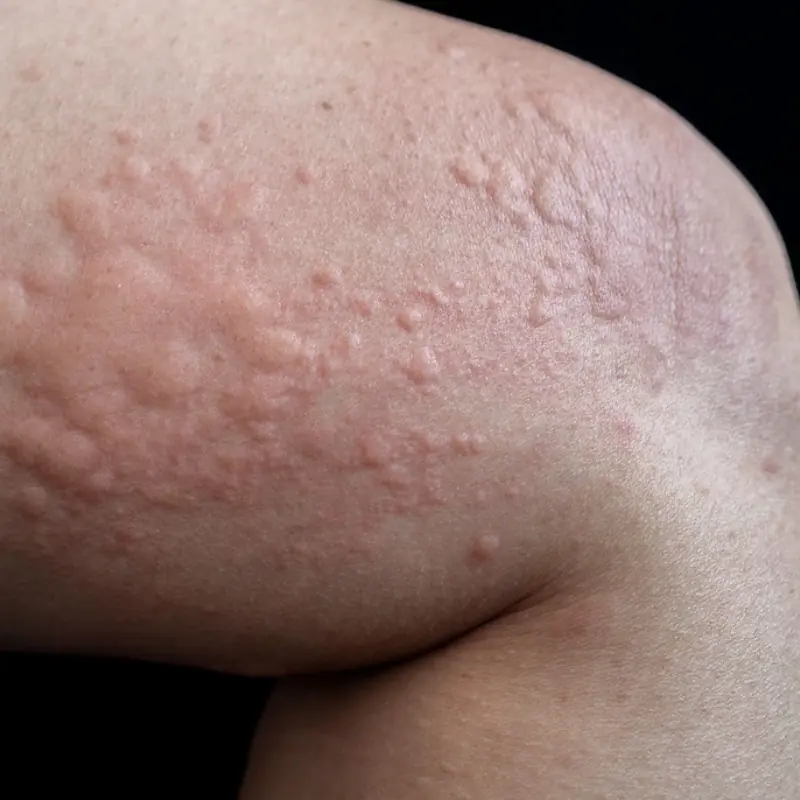
When bile flow from the liver is disrupted — a condition sometimes referred to as cholestasis — bile components can accumulate in the blood. These substances may irritate nerve endings in the skin, leading to intense itching.
Unlike allergic itching, this type often:
• Occurs without a visible rash
• Is more noticeable at night
• Does not fully respond to antihistamines
Because itching is commonly associated with skin problems, internal causes are sometimes overlooked in the early stages.
Treatment and Lifestyle Changes
Fortunately, his condition was manageable. With medical guidance, he began a treatment plan focused on reducing liver inflammation and supporting metabolic health.
This included:
• Adjusting his diet to reduce processed fats and added sugars
• Increasing physical activity
• Monitoring liver enzyme levels regularly
• Avoiding unnecessary medications that may strain the liver
Within a few months, follow-up tests showed improvement. As his liver markers stabilized, the itching gradually subsided.
The Broader Lesson
His experience highlights an important health principle: persistent symptoms deserve attention, even when they seem minor.
Itching is usually harmless. In most cases, it truly is an allergy or dry skin. But when symptoms are widespread, long-lasting, and unexplained, it may be worth looking deeper.
The body often sends subtle signals before more serious problems develop. Early evaluation can make a significant difference.
When to See a Doctor
While occasional itching is common, medical evaluation may be helpful if it:
• Persists for weeks
• Covers most of the body
• Interferes with sleep
• Occurs without visible skin irritation
• Is accompanied by fatigue, yellowing of the skin, dark urine, or other unusual changes
A simple blood test can provide valuable insight.