Dentist Explains Why Your Teeth Turn Yellow Even If You “Always Brush”
Despite maintaining regular oral hygiene routines, many people are puzzled by the persistent yellowing of their teeth. Dr. Zainab Mackie, a dentist from Michigan, USA, shed light on this common concern during a recent interaction with patients on social media.
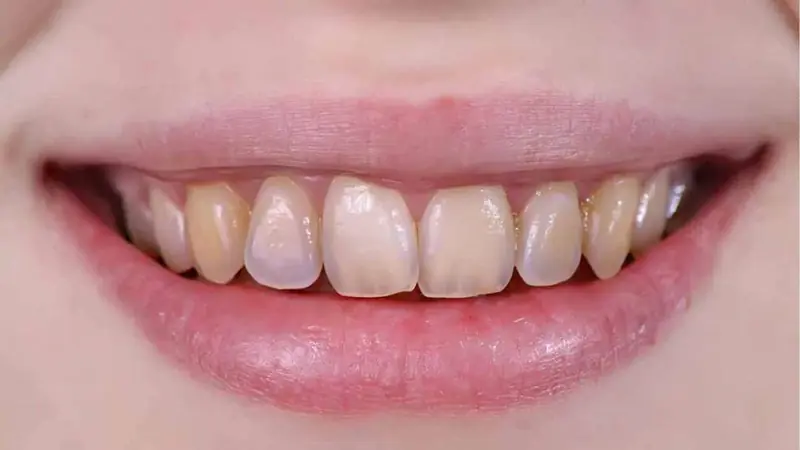
The topic gained attention when a user expressed frustration about their teeth turning yellow despite brushing daily. Dr. Mackie’s response revealed several unexpected factors that can contribute to tooth discoloration, even in individuals who consistently care for their oral health.
According to Dr. Mackie, one of the main culprits is brushing too hard. “You might be brushing too aggressively, wearing away the white enamel,” she explains. This harsh approach can actually accelerate enamel erosion, exposing the dentin layer underneath. Professionals at Willow Tree Dental emphasize that this erosion not only causes yellowing but also increases tooth sensitivity and raises the risk of cavities and tooth loss.
Dr. Mackie explained why you might have yellow teeth even if you take good care of them.
Dietary choices and lifestyle habits also play significant roles in tooth color. Dr. Mackie highlights that certain beverages pose specific risks. “If you drink a lot of soda, it’s going to stain your teeth,” she notes, adding that “acidic fruit juices definitely stain teeth as well.” The impact of these drinks goes beyond surface stains, as their acidic content can gradually erode tooth enamel over time.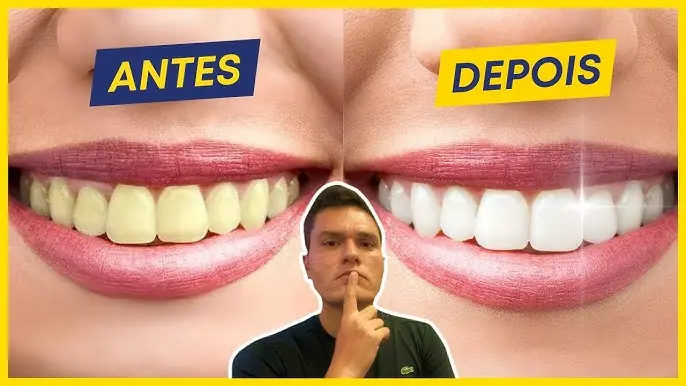
The dentist’s observations sparked numerous responses from social media users who recognized their own habits in her descriptions. One user admitted to brushing too aggressively, while others commented on their consumption of staining beverages—ranging from drinking orange juice immediately after brushing to consuming large amounts of soda.
For those who want to maintain whiter teeth, Dr. Mackie recommends several practical strategies. Using a straw when drinking acidic or staining beverages can help minimize contact with teeth. Additionally, adopting gentler brushing techniques helps preserve the protective enamel layer. Traditional preventive measures remain essential as well, including regular dental cleanings and being mindful when consuming items known to cause staining.
Several other factors can influence tooth color, including certain medications and smoking. These elements, combined with dietary choices and brushing habits, create a complex web of influences that affect dental appearance. This interplay helps explain why some people struggle to achieve their desired tooth shade, even when they believe they are practicing proper oral care.
The widespread response to Dr. Mackie’s comments suggests that many people unknowingly adopt habits that compromise the appearance of their teeth while thinking they are maintaining good oral hygiene. This disconnect between perception and effective dental care highlights the importance of understanding proper oral hygiene techniques.