Lung cancer is one of the most dangerous forms of cancer—not only because of its severity, but because it is often detected far too late. One of the main reasons is that its early symptoms frequently resemble common, seemingly harmless conditions such as a lingering cough, mild chest discomfort, or shortness of breath that people attribute to fatigue or seasonal illness.
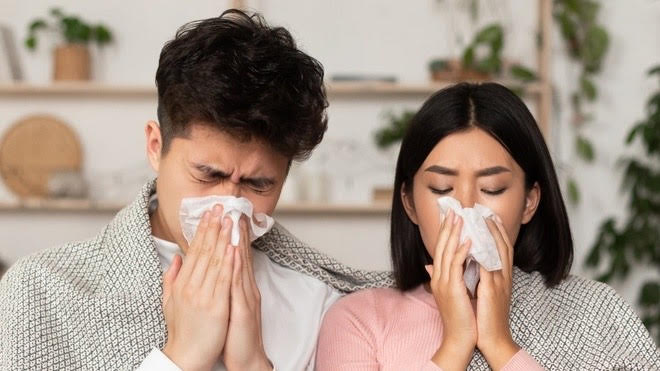
Many patients dismiss these signs, assuming they are dealing with a cold, flu, allergies, or simple respiratory irritation. Unfortunately, this delay can mean missing the most critical window for early diagnosis and treatment.
Lung cancer develops when abnormal lung cells grow uncontrollably, forming tumors that may invade surrounding tissue or spread to other parts of the body. What makes it especially dangerous is its ability to progress silently over many years with little to no obvious warning.
Below are four early warning signs of lung cancer that are often overlooked because they are mistaken for minor health problems.
1. A Persistent Cough That Doesn’t Go Away
Coughing is extremely common and usually harmless. It can result from a cold, sore throat, allergies, or temporary airway irritation. However, a cough that lasts longer than three weeks, especially without clear signs of infection such as fever or flu symptoms, should not be ignored.
In early lung cancer, the cough may:
-
Persist despite medication
-
Gradually worsen over time
-
Feel dry or irritating rather than productive
Many people self-treat with cough syrup or assume weather changes or pollution are to blame. This can allow an underlying condition to progress unnoticed.
If coughing is accompanied by chest discomfort, breathlessness, or fatigue, medical evaluation should be sought promptly.
2. Shortness of Breath or Difficulty Breathing
Sudden or progressive shortness of breath during routine activities—such as climbing stairs, walking short distances, or carrying light objects - can be an important warning sign.
This symptom is often dismissed as:
-
Aging
-
Poor fitness
-
Temporary exhaustion
However, lung tumors can partially block airways or interfere with normal lung expansion, making breathing increasingly difficult. This risk is higher in individuals who:
-
Smoke or previously smoked
-
Work in polluted or chemical-heavy environments
-
Are exposed to secondhand smoke
Breathing difficulties that persist or worsen should never be ignored.
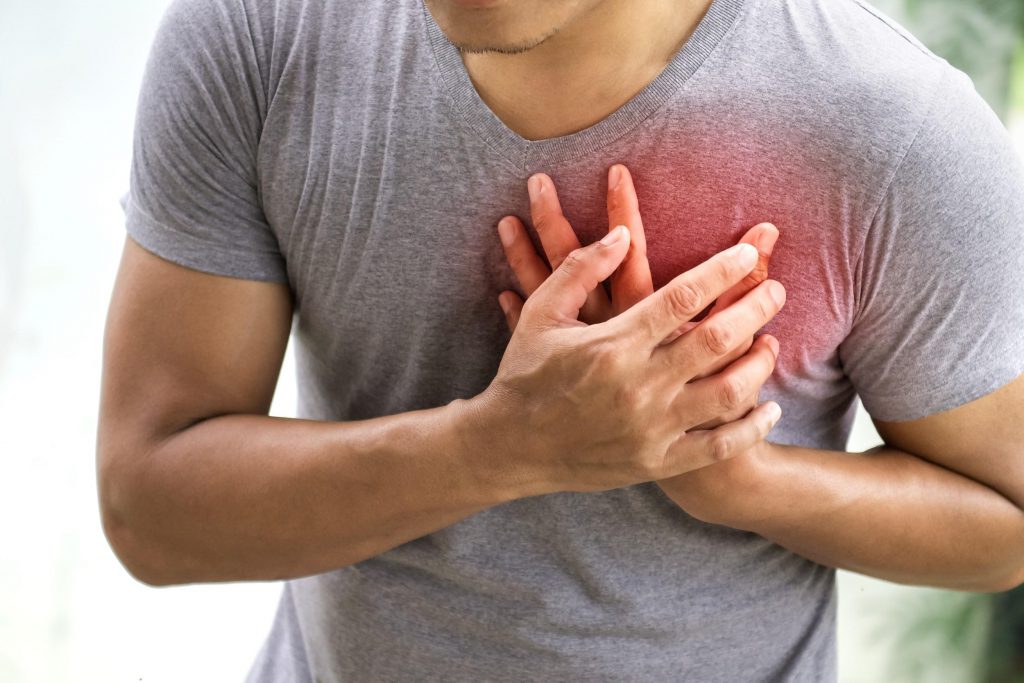
3. Chronic or Unexplained Chest Pain
Chest pain associated with lung cancer can present in several ways:
-
A dull ache
-
Sharp or stabbing pain
-
Tightness or pressure in the chest
Because this pain may not be severe at first, it is often mistaken for:
-
Muscle strain
-
Intercostal nerve pain
-
Heartburn or stress
If chest pain:
-
Is not linked to physical exertion
-
Persists over time
-
Becomes more intense
it warrants immediate medical evaluation.
4. Sudden, Unexplained Weight Loss
Unintentional weight loss is a common but often overlooked symptom of cancer. In lung cancer, weight loss can occur even when eating habits remain unchanged.
This happens because:
-
Cancer cells consume large amounts of energy
-
Inflammatory substances released by the body alter metabolism
-
Appetite may gradually decline
Weight loss combined with fatigue, weakness, or loss of appetite should always raise concern and prompt medical consultation.
Why Lung Cancer Symptoms Are Often Misdiagnosed
Early-stage lung cancer rarely causes severe pain or dramatic symptoms. Both patients and healthcare providers may initially attribute mild signs to:
-
Respiratory infections
-
Seasonal flu
-
Allergies or asthma
This is especially true for non-smokers, who often believe lung cancer is not a concern. However, according to the World Health Organization (WHO), 20–25% of lung cancer cases occur in people who have never smoked. Risk factors include air pollution, genetics, occupational exposure, and secondhand smoke.
Early detection significantly improves survival rates - up to 65–70% when caught early, compared to less than 20% in advanced stages.
How to Reduce the Risk of Lung Cancer Naturally
While not all risk factors can be eliminated, lifestyle and environmental choices play a significant role in lung cancer prevention.
1. Avoid Smoking and Secondhand Smoke
Smoking remains the leading cause of lung cancer, responsible for nearly 85% of cases. Tobacco smoke contains thousands of chemicals, many of which are known carcinogens.
If you smoke:
-
Seek professional smoking cessation support
-
Use nicotine replacement therapy if needed
-
Replace smoking habits with healthier coping strategies
If you do not smoke:
-
Avoid exposure to secondhand smoke
-
Support smoke-free homes and workplaces

2. Minimize Exposure to Air Pollution and Toxins
Air pollution, radon gas, asbestos, mold, and chemical fumes significantly increase lung cancer risk.
Protective steps include:
-
Improving indoor ventilation
-
Using air purifiers
-
Testing homes for radon
-
Reducing exposure to industrial pollutants
3. Follow a Lung-Supportive Diet
Nutrition plays an important role in protecting lung tissue and reducing inflammation.
A protective diet includes:
-
Cruciferous vegetables such as broccoli, kale, and cauliflower
-
Citrus fruits rich in vitamin C
-
Garlic and onions with anti-inflammatory properties
-
Turmeric and green tea, which contain powerful antioxidants
Limit processed meats, refined sugars, and heavily fried foods, which increase oxidative stress.
4. Stay Physically Active
Regular physical activity improves lung capacity, circulation, and immune function. Even moderate exercise, such as brisk walking for 30 minutes a day, can make a difference.
Breathing exercises can further support lung health by strengthening respiratory muscles and improving oxygen exchange.
5. Get Regular Health Screenings
People at higher risk - such as those over 40, smokers, or individuals with a family history of lung cancer - should discuss screening options with their doctor. Low-dose CT scans are currently the most effective method for early detection.
Final Thoughts: Listen to Your Lungs
A cough that lingers, breathlessness that worsens, unexplained chest pain, or sudden weight loss should never be dismissed as trivial. The body often sends quiet signals long before serious disease becomes obvious.
Early attention to these symptoms can save lives. When it comes to lung cancer, awareness and timely action are the most powerful tools we have.
Listen to your body. Protect your lungs. And seek medical advice when something does not feel right.