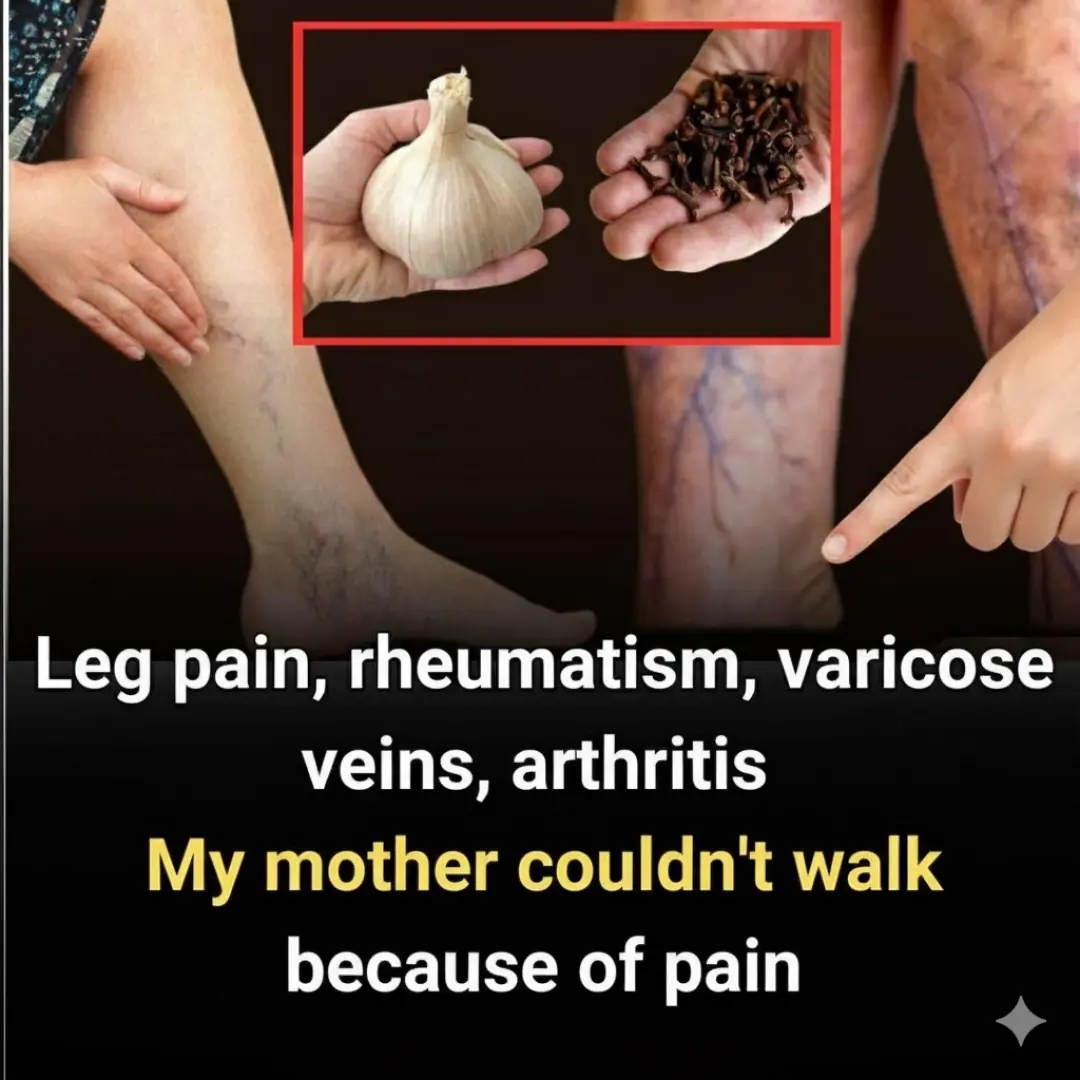
Leg pain, rheumatism, arthritis, and varicose veins are common problems that affect millions of people worldwide. These conditions often develop gradually and may worsen over time, leading to discomfort, stiffness, swelling, and reduced mobility. While medical treatment is essential for diagnosing and managing these conditions, many people also look for natural ways to support circulation, reduce inflammation, and relieve daily discomfort.
Among traditional remedies, cloves and garlic have long been used in natural medicine for their anti-inflammatory and circulation-supporting properties. When used correctly, they may help ease symptoms and complement a healthy lifestyle - but they are not a replacement for medical care.
Understanding the Conditions
Leg Pain and Rheumatism
Leg pain and rheumatism are often linked to inflammation, poor circulation, muscle tension, or joint degeneration. Symptoms may include aching, stiffness, and reduced flexibility, especially in cold or damp weather.
Arthritis
Arthritis involves inflammation of the joints and commonly affects the knees, hips, and ankles. Over time, joint cartilage breaks down, leading to pain, swelling, and limited movement.
Varicose Veins
Varicose veins occur when vein valves weaken, causing blood to pool in the legs instead of flowing efficiently back to the heart. This leads to:
-
Enlarged, twisted veins
-
Leg heaviness and aching
-
Swelling, burning, or throbbing sensations
Poor circulation and chronic inflammation play a major role in the progression of varicose veins.
Why Cloves and Garlic Are Traditionally Used
Garlic: A Natural Circulation Supporter
Garlic contains compounds such as allicin, which has been studied for its potential to:
-
Improve blood flow
-
Reduce inflammation
-
Support blood vessel health
In traditional use, garlic is believed to help reduce blood stagnation in the legs, which is particularly relevant for varicose veins and chronic leg discomfort.
Cloves: Anti-Inflammatory and Warming
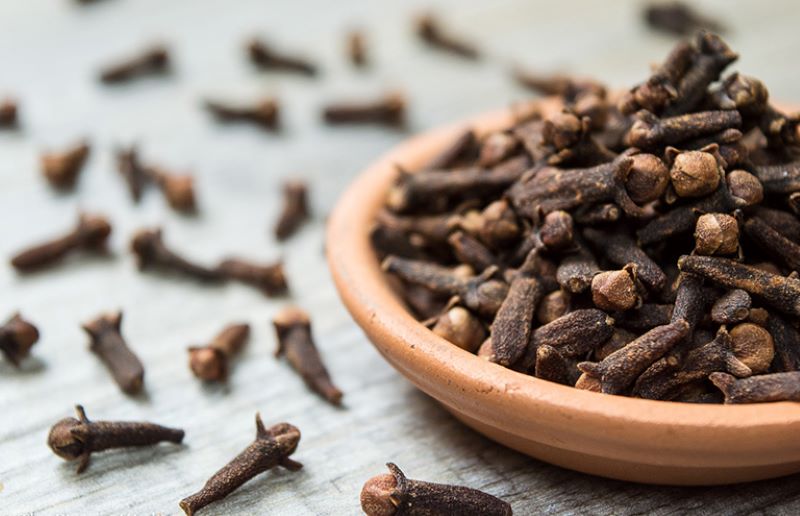
Cloves are rich in eugenol, a compound with natural anti-inflammatory and analgesic properties. Traditionally, cloves have been used to:
-
Ease joint and muscle pain
-
Improve local circulation
-
Reduce stiffness
When combined, cloves and garlic are often used externally as a warming oil or internally in small amounts to support circulation and comfort.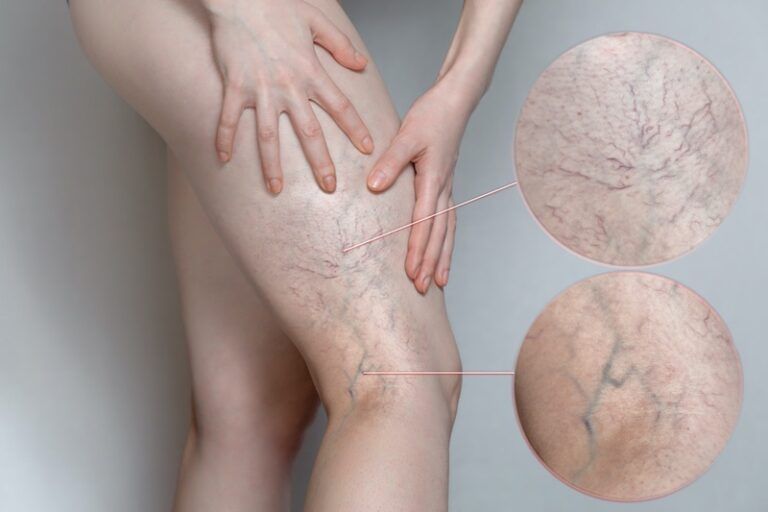
A Traditional Cloves and Garlic Remedy (Supportive Use)
External Use: Massage Oil for Legs and Joints
This method is commonly used to relieve discomfort associated with leg pain, arthritis, and varicose veins.
Ingredients
-
10–15 garlic cloves (crushed)
-
1 tablespoon whole cloves (slightly crushed)
-
1 cup olive oil or coconut oil
Preparation
-
Gently heat the oil over low heat.
-
Add crushed garlic and cloves.
-
Simmer on very low heat for 10–15 minutes (do not burn).
-
Allow the oil to cool, then strain and store in a glass jar.
How to Use
-
Massage gently onto legs or joints once daily.
-
Use upward strokes on the legs to support blood flow.
-
Avoid broken skin or open sores.
This oil may help reduce stiffness, promote warmth, and improve comfort when used regularly.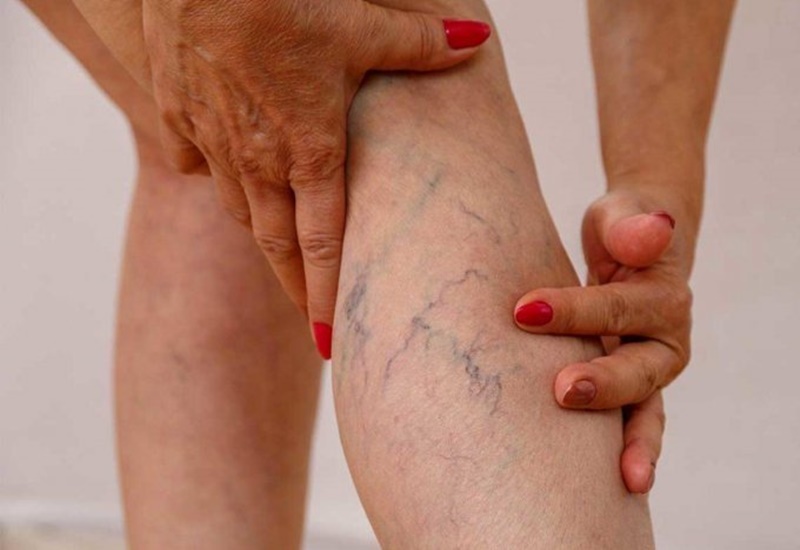
Internal Use: Mild Garlic Support (Optional)
Some people include garlic in their diet to support circulation.
Simple option
-
Consume 1 small clove of raw or lightly cooked garlic daily with meals.
Garlic should not be consumed excessively, especially by people taking blood-thinning medications.
Important Safety Notes
-
This remedy is not a cure for arthritis or varicose veins.
-
People with sensitive skin should do a patch test before topical use.
-
Garlic may interact with blood thinners or blood pressure medications.
-
Always consult a healthcare professional for persistent pain, swelling, or worsening symptoms.
How to Prevent Varicose Veins Naturally
Preventing varicose veins is far more effective than treating advanced cases. Lifestyle changes play a crucial role.
1. Improve Daily Circulation
-
Avoid sitting or standing in one position for long periods
-
Take short walking breaks every 30–60 minutes
-
Elevate legs above heart level when resting
2. Maintain a Healthy Body Weight
Excess weight increases pressure on leg veins, making it harder for blood to return to the heart. Maintaining a healthy weight reduces strain on vein valves.
3. Exercise Regularly
Activities that support vein health include:
-
Walking
-
Swimming
-
Cycling
-
Gentle stretching
These movements help calf muscles pump blood upward through the veins.
4. Wear Supportive Clothing
-
Avoid tight clothing around the waist, thighs, or calves
-
Consider compression stockings if recommended by a doctor
Compression garments help prevent blood pooling in the legs.
5. Eat a Vein-Friendly Diet
A diet that supports blood vessels includes:
-
Fiber-rich foods (vegetables, fruits, whole grains)
-
Foods high in antioxidants
-
Adequate hydration
Limit excess salt, which can worsen fluid retention and swelling.
6. Avoid High Heels for Long Periods
Flat or low-heeled shoes encourage proper calf muscle movement, improving blood flow in the legs.
When to Seek Medical Care
Natural remedies can support comfort, but medical attention is necessary if you experience:
-
Sudden or severe leg swelling
-
Skin discoloration or ulcers
-
Increasing pain or warmth in one leg
-
Hard, tender veins
These symptoms may signal complications such as deep vein thrombosis or advanced venous disease.
Final Thoughts
Cloves and garlic have a long history in traditional remedies for supporting circulation and easing inflammation. When used responsibly, they may help relieve discomfort related to leg pain, arthritis, rheumatism, and varicose veins.
However, prevention through daily movement, proper diet, weight management, and medical monitoring remains the most powerful strategy. Natural remedies work best as supportive tools, not substitutes for professional care.
Healthy legs depend not only on what you apply - but on how you move, eat, and care for your body every day.