Kidney disease is a serious condition that affects millions of people worldwide. It occurs when the kidneys are damaged and are unable to function properly. The kidneys play a crucial role in maintaining the balance of fluids and electrolytes in our bodies, as well as filtering waste products from our blood. Early detection and treatment of kidney disease are vital to prevent further damage and complications. Thankfully, your body does send you signals that there could be something wrong with your kidneys. Learn what they are and listen to your body so that you can receive medical help as soon as possible.
Understanding the Role of the Kidneys
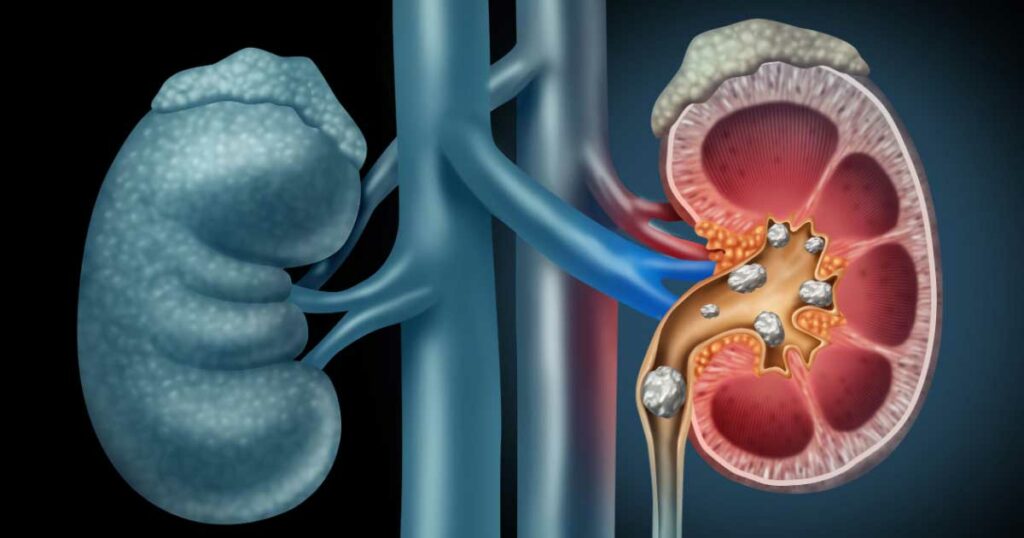
The kidneys are two small bean-shaped organs located on either side of the spine, just below the ribcage. Their main function is to filter the blood, removing waste products, and excess fluids from the body. The kidneys also help control blood pressure, produce red blood cells, and maintain the balance of electrolytes, such as sodium, potassium, and calcium. When the kidneys are healthy, they filter around 120 to 150 quarts of blood daily, producing about 1 to 2 quarts of urine. (1)
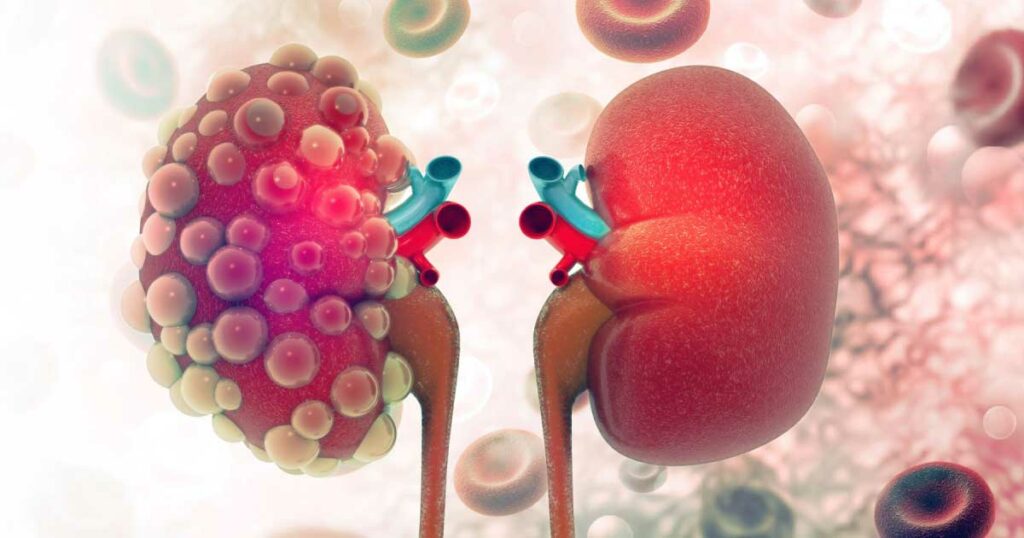
Kidney disease, also known as renal disease, occurs when the kidneys sustain damage and are no longer able to function optimally. There are various causes of kidney disease, including high blood pressure, diabetes, infections, autoimmune disorders, and genetic factors. Over time, kidney disease can progress and lead to kidney failure, requiring dialysis or a kidney transplant. Early detection is critical to prevent further damage and manage the condition effectively.

One of the hardest parts about kidney disease is that many people don’t catch it until it is already quite advanced. Thankfully, the body does send signs that the kidneys are in trouble. If you notice these, you can go to your healthcare practitioner to hopefully solve the problem before it becomes worse. These are 10 signs your body is telling you that your kidneys are in danger. (2, 3, 4)
1. Changes in Urination

One of the earliest signs of kidney disease is changes in urine production. You may notice increased frequency of urination, especially during the night. On the other hand, you may experience decreased urination or foamy urine.
2. Fatigue and Weakness

Kidney disease can lead to anemia, a condition characterized by low red blood cell count. This can result in persistent fatigue, weakness, and difficulty concentrating.
3. Swelling

Excessive fluid buildup in the body, known as edema, commonly occurs with kidney disease. Swelling can affect the legs, hands, face, and even the abdomen.
4. Persistent Back Pain

Kidney disease can cause back pain, usually felt just below the ribcage. The pain may be severe and persistent, often accompanied by tenderness. This will often accompany a urinary tract infection that has gone untreated.
5. Unexplained Weight Loss or Loss of Appetite

If you experience unexplained weight loss or a decrease in appetite, it may be a sign of kidney disease. This occurs due to the build-up of waste products in the body and a loss of appetite.
6. Nausea and Vomiting

Kidney disease can cause a feeling of nausea and may lead to episodes of vomiting. This can be especially prominent in the morning or after meals.
7. Difficulty Sleeping

People with kidney disease often report trouble sleeping. This may be attributed to nighttime muscle cramps, restless leg syndrome, or frequent urination.
8. Metallic Taste in the Mouth

A persistent metallic taste in the mouth can be indicative of kidney disease. This is due to the build-up of waste products in the blood.
9. Muscle Cramps and Twitching

Electrolyte imbalances, such as low potassium and calcium levels, can cause muscle cramps and twitching. These symptoms may be associated with kidney disease.
10. Itchy Skin

Kidney disease can lead to an accumulation of toxins in the blood, causing itchy skin. This is often generalized and not limited to a specific area.
It is important to note that these symptoms may vary depending on the stage and severity of kidney disease. If you experience any of these signs, it is essential to consult with a healthcare professional for further evaluation and appropriate management.
Prevention is Key
There are several things you can do to help keep your kidneys healthy and prevent kidney disease before it happens. The number one is, as always, living a healthy lifestyle. That means eating well, exercising regularly, drinking plenty of water, moderating alcohol consumption, and sleeping well. If you smoke, consider quitting. Be mindful of both prescription and over-the-counter drugs and how you are taking them. Always follow your doctor or pharmacist’s directions, or follow the directions on the bottle.
Finally, get your kidneys tested if you are unsure or if you are at a higher risk for developing the disease. Remember, early detection and timely treatment hold the key to preventing kidney disease from progressing and improving overall health outcomes. Don’t wait until it’s too late.