
What Your Feet Can Reveal About Serious Health Risks
Most of us rarely think about our feet unless something hurts or feels uncomfortable. But according to health experts, your feet can actually send early warning signals about serious underlying health conditions — long before more obvious symptoms appear. Paying attention to subtle changes in your feet may help you detect heart disease and diabetes early, when treatment can be far more effective.
Why Foot Health Matters
Feet contain dozens of bones, joints, muscles, blood vessels, and nerves — making them particularly sensitive to changes in circulation and nerve function. Because they are farthest from the heart and receive less direct blood flow than other body parts, even slight disruptions in cardiovascular or metabolic health can first show up here.
Warning Signs in Your Feet
1. Foot Symptoms Linked to Heart Disease
Heart disease can sometimes begin quietly, without chest pain or obvious signs. When it affects blood flow, the tiny arteries in the feet and toes are often impacted first.
Common foot-related warning signs include:
-
Cold or numb feet — poor blood circulation can make extremities feel unusually cold or unresponsive.
-
Pain or swelling in the feet — can indicate restricted blood flow or fluid retention.
-
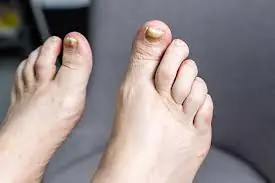
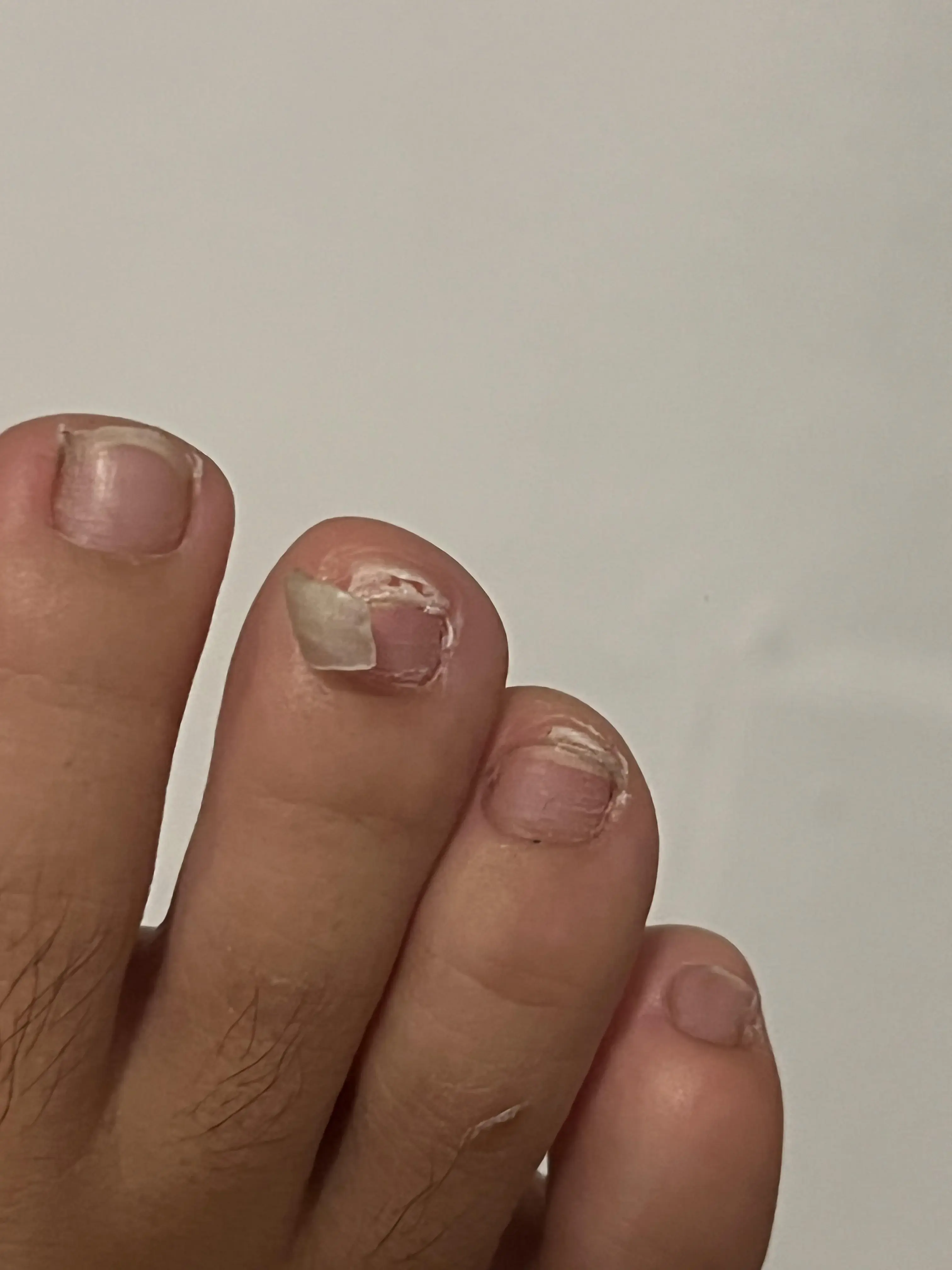
Thick, brittle, or discolored toenails — may be linked to compromised circulation and metabolic imbalance.
If you notice any of these, it’s important to consult a doctor promptly. Early diagnosis and management can significantly reduce cardiovascular risk.
2. Foot Symptoms That May Signal Diabetes
Diabetes often impacts the feet through nerve damage (neuropathy) and poor circulation. Some warning signs include:
-
Tingling, burning, or pain — nerve damage may cause unusual sensations.
-
Loss of feeling or numbness — reduced sensation increases the risk of injury.
-
Cracked, dry skin and sores that won’t heal — poor circulation and high blood sugar slow healing.
-
Fungal infections or athlete’s foot — more common when blood glucose is uncontrolled.
These symptoms don’t always occur early — but when they do, they may indicate advanced or poorly controlled diabetes. Early medical evaluation is strongly recommended.
What to Do If You Notice These Signs
Recognizing unusual foot changes early gives you the opportunity to:
-
Seek medical evaluation and testing
-
Begin treatment or lifestyle changes sooner
-
Prevent complications such as ulcers, infections, heart attack, or stroke
Prevention and Self-Care Tips
To support overall health and reduce risk:
-
Monitor your feet regularly for changes in sensation, color, or wounds.
-
Maintain a healthy diet and exercise routine to improve circulation and metabolic function.
-
Avoid smoking and excessive alcohol, which can worsen circulation problems.
-
Follow your doctor’s guidance on managing blood pressure, cholesterol, and blood sugar.
In Summary
Your feet can be more than just tools for movement — they can serve as early indicators of silent but serious health conditions like heart disease and diabetes. Paying attention to subtle symptoms and acting quickly can make a major difference in health outcomes.