Fatty liver disease is often described as a “silent” condition because it can progress for years without obvious symptoms. Many people feel
perfectly fine while damage slowly accumulates in the liver. By the time clear warning signs appear, the disease may already be in an advanced
stage.
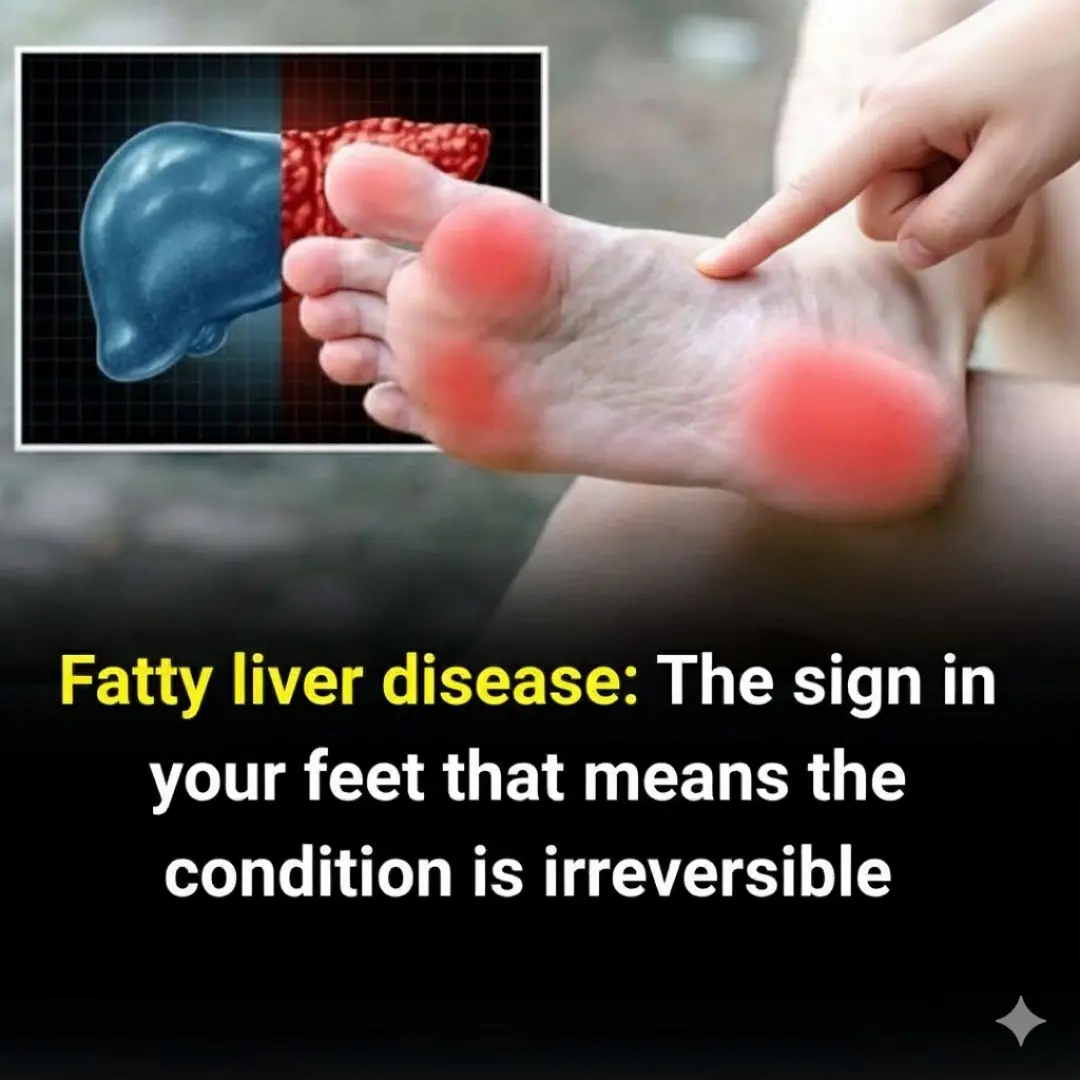
One of the lesser-known - but potentially serious - signals can appear in the feet. While not a diagnosis on its own, this symptom may
indicate that fatty liver disease has progressed to a point where damage could be difficult or impossible to reverse.
Understanding this sign, along with how fatty liver disease develops, is essential for early action and long-term prevention.
Understanding Fatty Liver Disease
Fatty liver disease occurs when excess fat builds up in liver cells. It is commonly divided into two main types:
-
Non-alcoholic fatty liver disease (NAFLD), often linked to obesity, insulin resistance, and metabolic syndrome
-
Alcohol-related fatty liver disease, caused by long-term excessive alcohol consumption
In early stages, fat accumulation may be reversible. However, if inflammation and scarring develop, the condition can progress to:
-
Non-alcoholic steatohepatitis (NASH)
-
Fibrosis
-
Cirrhosis, which is largely irreversible
The Foot Symptom Doctors Take Seriously: Persistent Swelling
One of the most concerning foot-related signs associated with advanced liver disease is persistent swelling of the feet and ankles,
medically known as peripheral edema.
What This Swelling Looks Like
-
Puffiness in the feet, ankles, or lower legs
-
Skin that appears stretched or shiny
-
Indentations that remain after pressing the skin (pitting edema)
-
Swelling that worsens by the end of the day
This is not the temporary swelling that can happen after standing too long. When related to liver disease, it tends to be chronic and progressive.
Why Liver Disease Affects the Feet
As fatty liver disease advances, the liver loses its ability to perform critical functions. Several mechanisms contribute to foot swelling:
1. Reduced Albumin Production
The liver produces albumin, a protein that helps keep fluid inside blood vessels. When albumin levels drop, fluid leaks into surrounding
tissues, particularly in the lower extremities due to gravity.
2. Increased Pressure in Blood Vessels
Advanced liver disease can lead to portal hypertension, increasing pressure in veins and forcing fluid out into tissues.
3. Hormonal and Fluid Imbalance
The liver plays a role in hormone regulation and fluid balance. When this system fails, the body retains sodium and water, worsening swelling.
When foot and ankle swelling appears in the context of fatty liver disease, it may indicate significant liver dysfunction, sometimes associated with cirrhosis.
Why This Can Signal Irreversible Damage
In early fatty liver disease, lifestyle changes can often reverse fat accumulation. However, persistent edema in the feet may suggest that the
disease has progressed beyond simple fat buildup.
At this stage:
-
Scar tissue may have replaced healthy liver tissue
-
Blood flow through the liver may be impaired
-
Liver function may be permanently reduced
While treatment can slow progression and manage complications, full reversal may no longer be possible once cirrhosis develops.
Other Symptoms That May Appear Alongside Foot Swelling
Foot swelling rarely appears alone. Other warning signs of advanced fatty liver disease may include:
-
Chronic fatigue and weakness
-
Yellowing of the skin or eyes (jaundice)
-
Easy bruising or bleeding
-
Abdominal swelling due to fluid buildup (ascites)
-
Muscle wasting
-
Confusion or difficulty concentrating in severe cases
The combination of these symptoms increases the likelihood of advanced disease.
When to Seek Medical Attention
Foot swelling can have many causes, including heart disease, kidney problems, or prolonged standing. However, medical evaluation is essential if swelling:
-
Is persistent or worsening
-
Occurs alongside known fatty liver disease
-
Is accompanied by fatigue, jaundice, or abdominal swelling
Blo.od tests, imaging studies, and sometimes liver stiffness measurements are needed to assess liver health accurately.
How to Prevent Fatty Liver Disease From Reaching This Stage
The most effective strategy is early prevention and intervention. Even small changes can have a powerful impact when implemented early.
1. Maintain a Healthy Body Weight
Excess body fat, especially around the abdomen, strongly contributes to fatty liver disease. Gradual weight loss of 5–10% of body weight has
been shown to significantly reduce liver fat and inflammation.
2. Control Blood Sugar and Insulin Resistance
Fatty liver disease is closely linked to type 2 diabetes and insulin resistance. Managing blood sugar through diet, physical activity, and medical
care reduces liver stress.
3. Adopt a Liver-Friendly Diet
A protective diet includes:
-
Plenty of vegetables and fruits
-
Whole grains
-
Lean protein sources
-
Healthy fats such as olive oil and nuts
Limit:
-
Added sugars and sugary drinks
-
Refined carbohydrates
-
Processed foods
-
Excess saturated fats
4. Avoid or Limit Alcohol
Alcohol accelerates liver damage, especially in people with existing fatty liver disease. Complete avoidance or strict limitation is strongly
recommended.
5. Stay Physically Active
Regular exercise improves insulin sensitivity and reduces liver fat—even without significant weight loss. Aim for at least 150 minutes of
moderate activity per week.
6. Monitor Liver Health Regularly
People at higher risk - including those with obesity, diabetes, or metabolic syndrome—should have routine liver function tests and follow
medical guidance closely.
Final Thoughts
Foot swelling may seem like a minor or unrelated symptom, but in the context of fatty liver disease, it can be a serious warning sign. When it
reflects advanced liver dysfunction, the condition may have reached a stage where damage is difficult to reverse.
The key message is not fear, but awareness. Fatty liver disease often gives people years of opportunity to intervene before irreversible harm
occurs.
Paying attention to early signs, adopting healthier habits, and seeking medical care promptly can make the difference between progression
and prevention.