4 Types of Fish That Are Prone to Heavy Metal Contamination — Even Sellers Rarely Eat Them
Some fish species, due to their habitats or biological traits, can accumulate heavy metals beyond safe limits. Long-term consumption may harm the nervous system, kidneys, and cardiovascular health.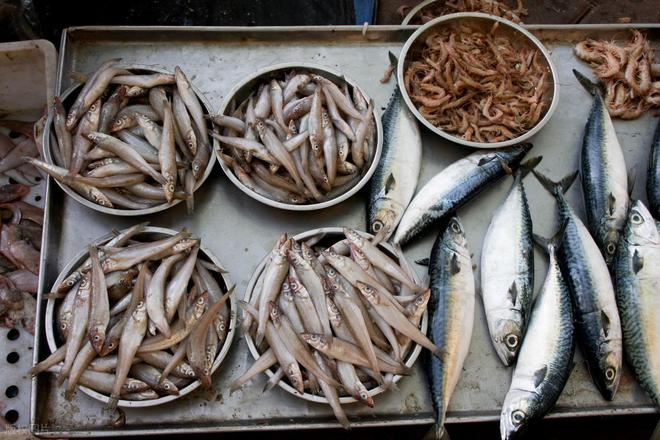
On cold winter days, a steaming bowl of fish soup can feel comforting and nourishing for the whole family. However, not all fish are suitable for frequent consumption in winter. Certain species are more likely to accumulate excessive heavy metals because of where they live or how they feed. If eaten regularly over time, they can pose serious health risks.
Based on recommendations from fisheries experts and real-world market inspections, here are four groups of fish that require special caution when buying in winter, helping consumers enjoy their meals while protecting their health.
1. Fish That Live in Muddy Environments (Eels and Catfish)
Eels are freshwater fish with strong survivability, commonly found in stagnant ponds, ditches, and muddy rice fields. As scavengers, they feed on decomposing organic matter and insect larvae, making them prone to accumulating lead, mercury, and other heavy metals.
Studies show that wild eels contain 3–5 times higher levels of heavy metals than farmed eels, and parasite infection rates can exceed 60%. If not thoroughly cooked, parasites such as tapeworms may infect humans.
Catfish—often labeled “garbage-eating fish”—are also controversial. They can survive in heavily polluted waters, even near industrial wastewater outlets, feeding on carcasses and algae. This makes catfish a hotspot for heavy metals and pathogens.
Market inspections in parts of China in 2024 found that 30% of catfish samples exceeded mercury limits, with some containing cadmium levels up to eight times higher than safety standards. If catfish appear covered in cloudy slime or have soft, mushy flesh, they should be avoided.
2. Fish That Have Been Dead Too Long
Although low winter temperatures slow decomposition, fish that have been dead for more than six hours still pose significant risks. After death, proteins break down into histamine, which can cause nausea, vomiting, and diarrhea. At the same time, cell breakdown makes heavy metals easier for the human body to absorb.
A fish vendor admitted:
“Dead fish sell for only about one-third the price of live fish, but their organs have already started to spoil. Even we sellers don’t dare eat them.”
How to tell fresh fish from dead fish: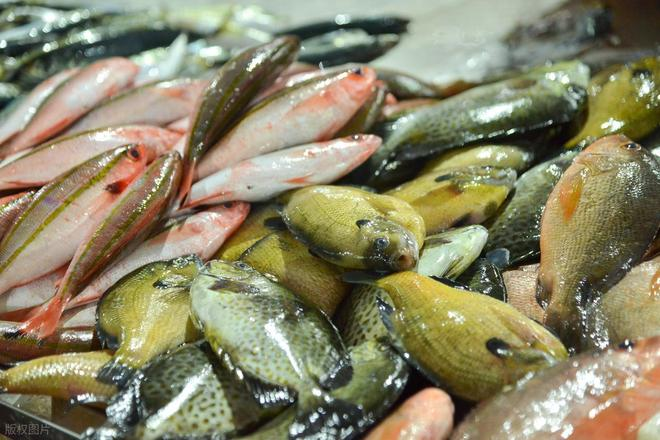
-
Gills: Fresh fish have bright red gills; dead fish have pale or dark brown gills.
-
Flesh: Fresh fish is firm and springs back when pressed; spoiled fish leaves an indentation.
-
Smell: Fresh fish smells mildly fishy; spoiled fish has a sour or foul odor.
3. Poorly Preserved Marine Fish
Hairtail (cutlassfish) is popular in winter but difficult to preserve properly. High-quality fish are flash-frozen at –18°C, with shiny bodies and tightly attached scales. Low-quality fish are often thawed and refrozen multiple times, causing scales to fall off and flesh to become soft.
More concerning, some sellers soak fish in industrial preservatives to mask spoilage.
How to choose safe hairtail fish:
-
Scales: Fresh fish have tightly attached scales that are hard to remove.
-
Eyes: Clear, bulging eyes indicate freshness; sunken or cloudy eyes suggest poor quality.
-
Belly: The flesh should be firm and odorless; grayish flesh or sliminess is a red flag.
4. Fish From Polluted Waters
Filter-feeding fish such as silver carp and bighead carp feed on plankton, making them more likely to accumulate heavy metals. Fish from polluted waters often have an unusually strong fishy smell that is hard to remove, even after thorough cooking.
In 2025, a Chinese environmental organization found that silver carp from rivers near industrial zones contained lead levels 4.2 times higher than national safety standards.
Safer Alternatives
-
Choose fish farmed in controlled environments, such as tilapia or farmed sea bass using recirculating systems, which can have over 70% lower heavy metal levels than wild fish.
-
Opt for smaller marine fish with lower mercury levels, such as salmon and sardines; avoid large predatory fish like tuna and swordfish.
-
When cooking, add garlic or onions rich in sulfur compounds to help support heavy metal detoxification.
-
After meals, consume vitamin C–rich fruits like kiwi or vegetables such as broccoli to enhance the liver’s detoxifying capacity.
Eat Fish Wisely for Both Taste and Safety
-
Adults should consume no more than 500 grams of fish per week; pregnant women and children should limit intake to half that amount.
-
Avoid eating fish heads, skin, and internal organs, where heavy metals can accumulate at 3–5 times higher levels than in muscle meat.
-
Prefer steaming or making soup to preserve nutrients and eliminate parasites; limit frying or high-temperature grilling.
Eating fish can be healthy—but only when chosen and prepared wisely.