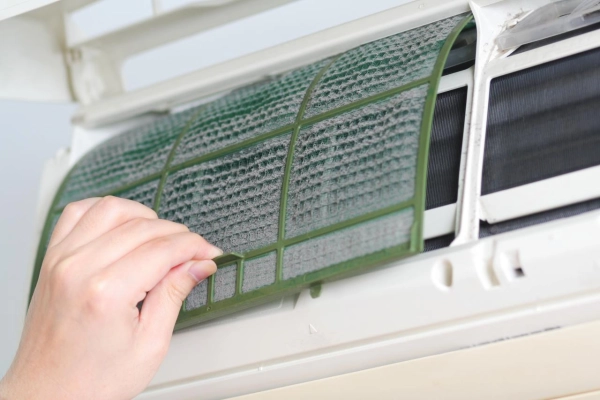
Water leaking from an air conditioner is a common problem in many households, especially during hot and humid seasons. While it may seem minor at first, persistent leaks can damage walls, ceilings, furniture, and even the unit itself if left untreated. Understanding the causes is the first step toward fixing the issue properly.
1. Dirty Air Conditioner Unit
The most frequent cause of water leakage is a dirty indoor unit. When an air conditioner is not cleaned regularly, dust and debris build up on the filters and internal components. This accumulation blocks airflow and prevents condensation from draining properly, causing water to drip or overflow from the unit.
2. Clogged or Damaged Drain Pipe
The drain pipe is responsible for carrying condensation water outside. Over time, dust, mold, insects, or small debris can clog the pipe. In some cases, the pipe may crack or break, leading to leaks inside the room instead of draining outdoors.
3. Improper Installation
Installation errors are another common reason for leaks. If the drain pan or drain pipe is not installed at the correct angle, water cannot flow out naturally. Instead, it backs up and leaks through the indoor unit. Poor installation often causes recurring problems even in new air conditioners.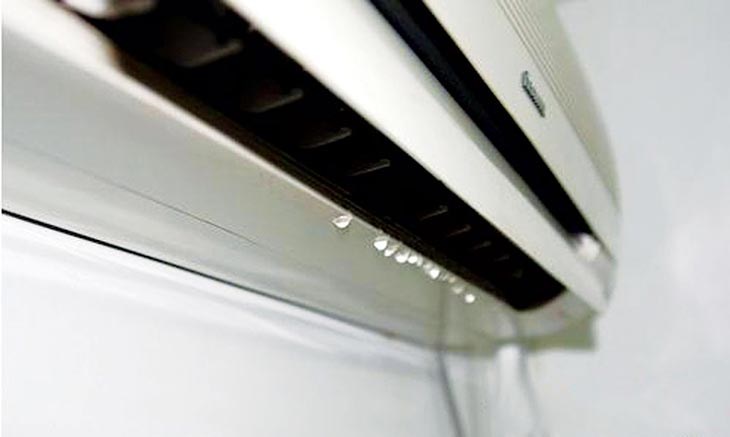
4. Damaged Indoor Fan
A malfunctioning or damaged indoor fan can disrupt airflow, causing the evaporator coil to freeze. When the ice melts, excess water may drip directly from the unit rather than flowing through the drain system.
5. Low Refrigerant (Gas) Levels
Low refrigerant reduces pressure inside the system, which can cause the evaporator coil to freeze. As the ice melts, the water may overflow and leak from the indoor unit. Refrigerant issues should always be handled by a professional technician.
How to Fix Water Leaks from an Air Conditioner
Depending on the cause, different solutions may be required:
-
Regular cleaning and maintenance are essential to prevent dust buildup and drainage issues.
-
If the indoor fan is damaged or refrigerant is low, contact a qualified technician to repair or refill the system safely.
-
If the problem comes from improper installation, the drain pipe should be reinstalled with the correct slope to allow smooth water flow.
-
If the drain pipe is clogged, clean it thoroughly. If it is cracked or broken, replace it with a new one to prevent future leaks.

Simple Steps to Clean Your Air Conditioner at Home
Regular cleaning can prevent many common issues and improve cooling efficiency.
Step 1: Turn Off the Power
Switch off the air conditioner completely and disconnect the power. Place a basin or plastic sheet under the indoor unit to catch dripping water and dirt during cleaning.
Step 2: Clean the Air Filters
Open the front cover and remove the air filters. Wash them with clean water, gently scrubbing with a soft brush or cloth. Let the filters dry completely before reinstalling.
Step 3: Clean the Fan and Cooling Coil
Use a soft brush or specialized cleaner to remove dust from the fan and evaporator coil. Be gentle to avoid damaging delicate components.
Step 4: Dry and Reassemble
Wipe all parts with a clean cloth, then reinstall the filters and close the cover. Clean the exterior of the unit to remove dust and stains.
Step 5: Restart the Unit
Turn the air conditioner back on and let it run for a few minutes so any remaining moisture can drain out. Once it operates normally, the cleaning process is complete.
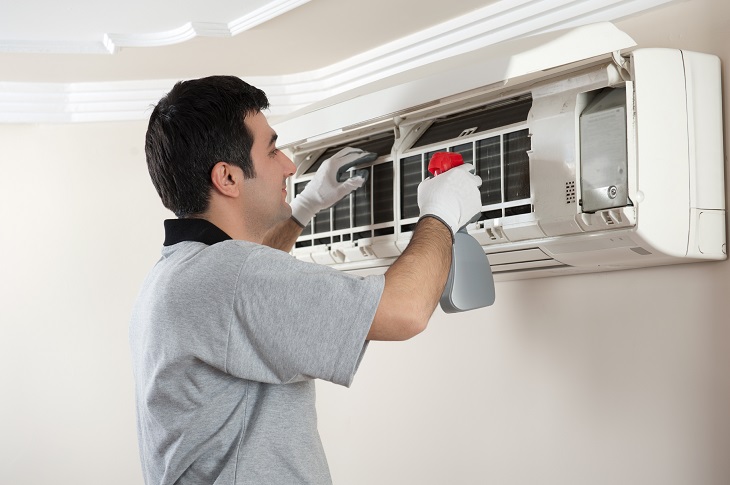
How to Make Your Air Conditioner Last Longer
Proper care not only prevents leaks but also extends the life of your air conditioner.
1. Clean Filters Regularly
Dirty filters force the unit to work harder, reducing efficiency and lifespan. Clean them every 2–4 weeks during heavy use.
2. Schedule Professional Maintenance
Have a technician inspect and service your air conditioner at least once a year. This helps detect refrigerant leaks, fan issues, and electrical problems early.
3. Avoid Overworking the Unit
Set a reasonable temperature and avoid frequent on-and-off cycles. Extreme settings increase strain on the compressor.
4. Ensure Proper Ventilation
Keep vents unobstructed and avoid placing heat-producing appliances near the indoor unit.
5. Check the Drain System Periodically
Inspect the drain pipe and tray for blockages, mold, or cracks to prevent unexpected leaks.
Final Thoughts
Water leaks from an air conditioner are often caused by poor maintenance, drainage issues, or technical faults. The good news is that many of these problems can be prevented with regular cleaning and proper care. By maintaining your air conditioner correctly and addressing issues early, you not only stop leaks but also improve performance, save energy, and significantly extend the unit’s lifespan.
A well-maintained air conditioner runs quieter, cools better, and lasts longer - making it a worthwhile investment in comfort and reliability.