
These 6 Types of Eggs Could Be Unsafe to Eat - Here's What to Look For
Don't Eat an Egg Until You've Checked for These 6 Warning Signs
Health 01/07/2026 15:38
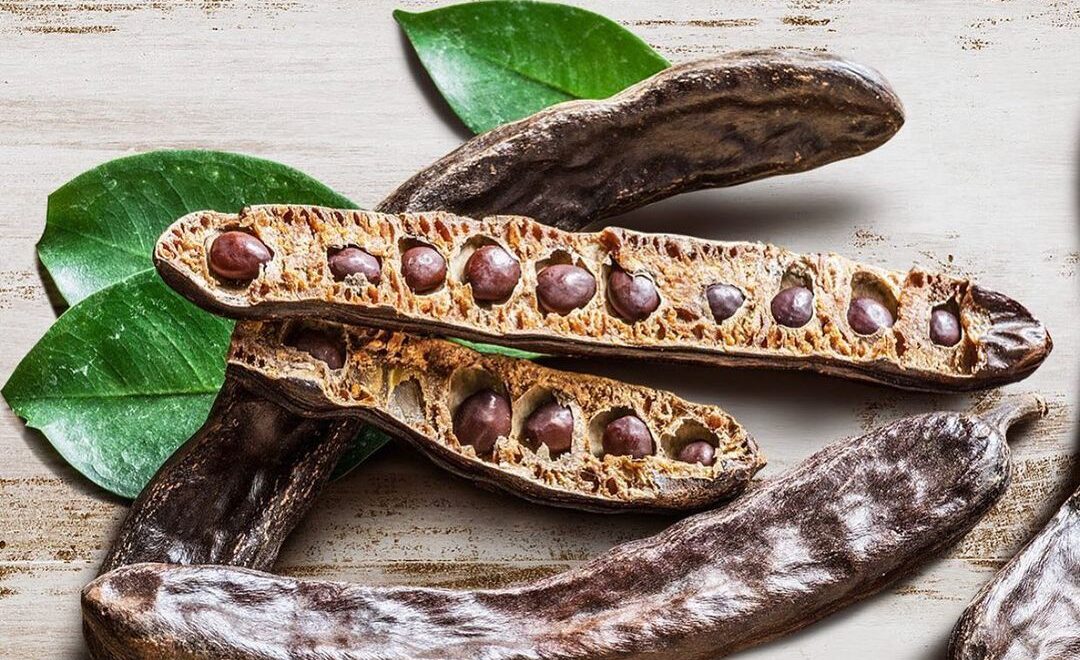
Carob is a Mediterranean tree whose long brown pods have been used for centuries as both food and traditional remedy. Often marketed as a caffeine-free alternative to cocoa, carob offers more than just a chocolate substitute. It contains dietary fiber, natural sugars, polyphenols, and minerals that contribute to its nutritional and functional value.
While carob is not a cure-all, its composition makes it a versatile ingredient in both culinary and home wellness practices. Below is a detailed look at its nutritional profile, potential health benefits, and practical everyday uses.
Carob pods are naturally sweet and rich in fiber. When dried and ground into powder, they provide:
Dietary fiber (especially insoluble fiber)
Natural sugars (glucose and fructose)
Polyphenols (antioxidant compounds)
Calcium
Potassium
Magnesium
Small amounts of protein
No caffeine
No theobromine
Unlike cocoa, carob does not contain stimulants, making it suitable for individuals sensitive to caffeine.
Carob is particularly rich in fiber. Insoluble fiber adds bulk to stool and supports regular bowel movements. Traditionally, carob powder has been used to help manage mild digestive discomfort.
Additionally, carob contains tannins — natural plant compounds with mild astringent properties — which may help regulate digestion.
Some studies suggest that carob fiber may support balanced cholesterol levels by binding to bile acids in the digestive tract. This may contribute to improved lipid profiles when included as part of a balanced diet.
Carob contains polyphenols, which act as antioxidants. Antioxidants help neutralize free radicals — unstable molecules associated with cellular aging and oxidative stress.
While carob’s antioxidant content differs from cocoa, it still provides meaningful protective compounds.
Carob is a natural source of calcium. Adequate calcium intake supports:
Bone density
Muscle function
Nerve signaling
For individuals avoiding dairy, carob can contribute small amounts of plant-based calcium.
Although naturally sweet, carob has a lower fat content than chocolate and contains fiber that may slow sugar absorption. However, moderation remains important due to its natural sugar content.
Carob’s versatility extends far beyond simple snacking. Here are practical ways to incorporate it into daily routines.
Carob powder can replace cocoa powder in:
Baking recipes
Smoothies
Pancakes
Muffins
Hot beverages
Because it is naturally sweet, recipes may require less added sugar.

A mild carob infusion can be prepared by:
Simmering crushed carob pods in water for 10–15 minutes.
Straining and drinking warm.
Traditionally, this preparation has been used to support digestion.
Carob syrup, sometimes called carob molasses, is made by extracting and concentrating the natural sugars from pods.
It can be used as:
A natural sweetener
A topping for yogurt
An addition to warm milk
A drizzle over oatmeal
Combine:
Carob powder
Oats
Nut butter
Seeds
Honey
Roll into small balls and refrigerate. This provides a stimulant-free snack option.
Because of its antioxidant properties, carob powder is sometimes mixed with yogurt or honey to create a gentle facial mask. While not medically proven to treat skin conditions, it may provide mild soothing effects.
Always test on a small patch of skin first.
| Feature | Carob | Cocoa |
|---|---|---|
| Caffeine | None | Present |
| Theobromine | None | Present |
| Fat Content | Low | Higher |
| Natural Sweetness | Naturally sweet | Bitter |
| Calcium | Higher | Lower |
For individuals sensitive to stimulants or looking for a gentler alternative, carob offers a practical option.
Carob is generally considered safe for most individuals when consumed in typical food amounts.
However:
Excessive intake may cause digestive discomfort due to high fiber content.
Individuals with allergies to legumes should exercise caution (carob belongs to the legume family).
Diabetics should monitor portion sizes due to natural sugar content.
As with any food, moderation is essential.
Carob trees are drought-resistant and thrive in Mediterranean climates. They require relatively low water input compared to other crops, making them environmentally resilient.
This sustainability adds to their long-term agricultural appeal.
Carob (Ceratonia siliqua) is more than a cocoa substitute. It is a nutrient-rich, caffeine-free plant ingredient with fiber, antioxidants, and minerals that support general wellness.
Its practical applications — from baking and beverages to traditional digestive uses — make it an accessible addition to everyday life.
While not a miracle ingredient, carob’s nutritional balance and versatility explain why it has remained part of Mediterranean diets for centuries.
Sometimes, the most powerful foods are the ones that quietly stand the test of time.
Don't Eat an Egg Until You've Checked for These 6 Warning Signs

Right-Side Sleeper? There Are a Few Things Worth Knowing 💡
❤️ Your Blood Vessels Could Be Trying to Tell You Something. Find Out More 👇
Nutrition experts say one everyday nut may help support healthy brain aging.

😳 If Your Legs Cramp While You Sleep, Read This First

💧 The Truth About Boiling Water: 3 Habits You May Want to Change

The Truth About Daily Showers Might Surprise You
What Doctors Say About Parasite Risks in Certain Common Foods May Surprise You 👀
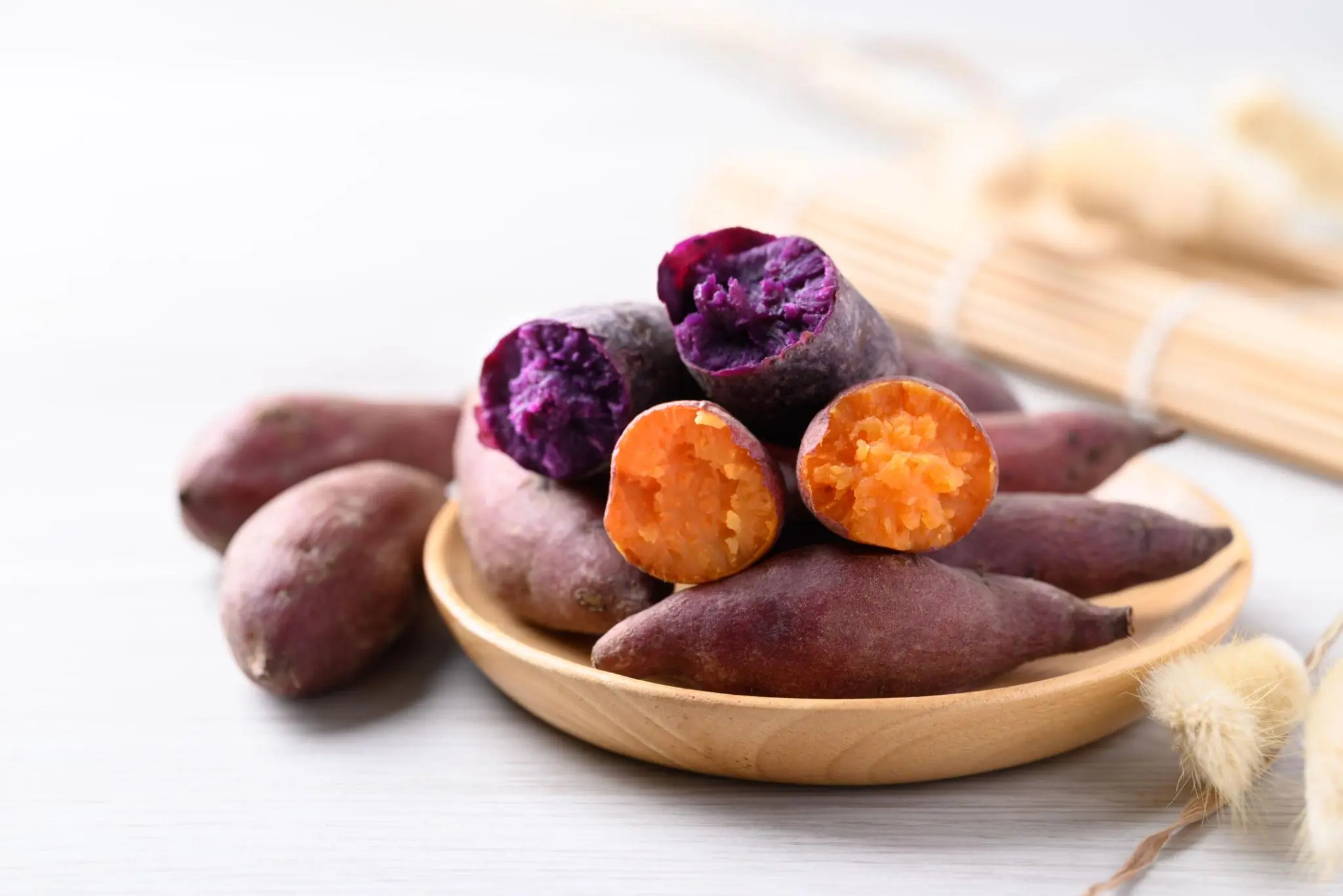
She Ate Boiled Sweet Potatoes Every Morning for One Year—Doctors Were Surprised

Your Diet May Play a Role in Artery Health—Here’s What to Know 👀
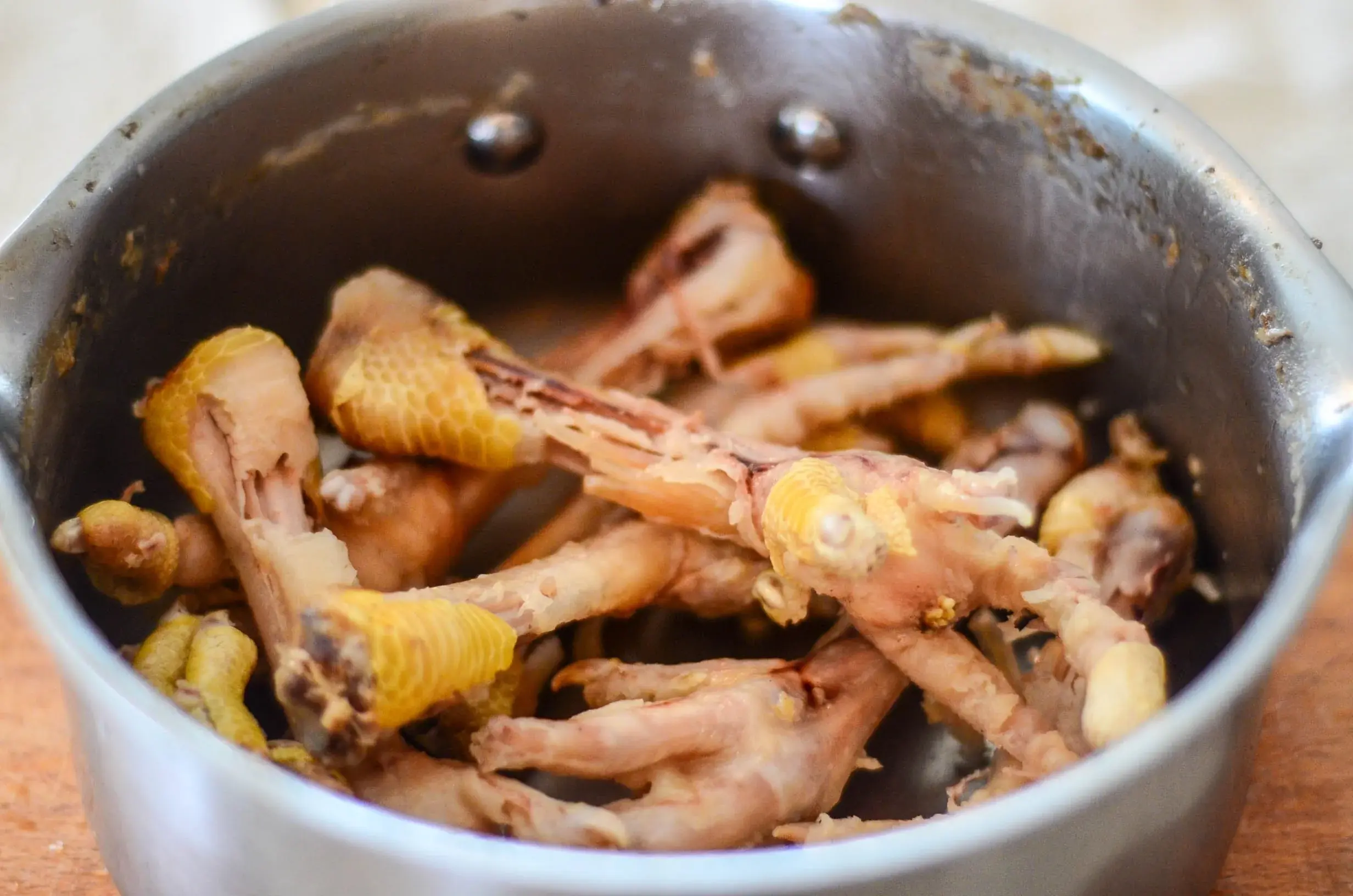
The Health Benefits of Chicken Feet Might Surprise You—Learn More 👇

Discover 8 Ways Banana Blossoms May Support Your Health
There are many foods that could fill you up quickly, but you wouldn’t find them on your dinner plate every night. So, what is the food that’s both deadly and widely consumed around the globe?
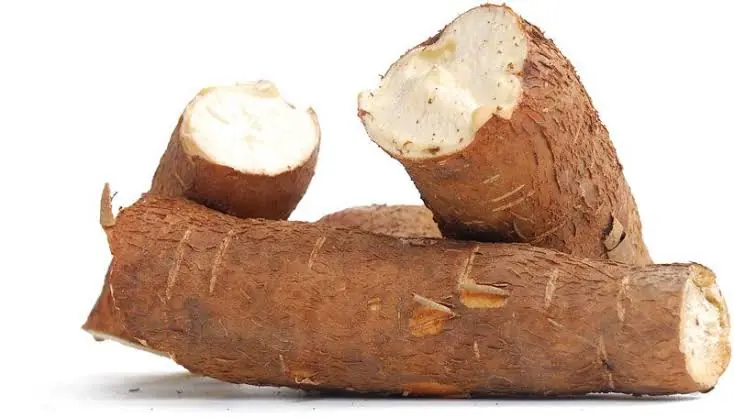
🍽️ Millions Love This Food—But There's One Thing Most People Never Hear About. 👇

Did You Know That Waking Up at 3 or 4 in the Morning Is a Clear Sign of Something Your Body Is Trying to Tell You?

5 Signs Your Kidneys May Be Weak — And Why You Should See a Doctor Immediately
Not a Miracle Food—But an Important Piece of a Healthy Lifestyle

The Earlier You Notice These Signs, the Better Your Chances of Taking Action.

Many people wonder about the meaning of the intriguing gesture of scratching the palm of another person’s hand, especially when it occurs between a man and a woman.
Don't Eat an Egg Until You've Checked for These 6 Warning Signs

Could Your Daily Routine Be Putting Your Heart Health at Risk?

5 Common Plants That May Encourage Snakes to Visit Your Garden
Right-Side Sleeper? There Are a Few Things Worth Knowing 💡
❤️ Your Blood Vessels Could Be Trying to Tell You Something. Find Out More 👇
Nutrition experts say one everyday nut may help support healthy brain aging.
😳 If Your Legs Cramp While You Sleep, Read This First
💧 The Truth About Boiling Water: 3 Habits You May Want to Change
The Truth About Daily Showers Might Surprise You
What Doctors Say About Parasite Risks in Certain Common Foods May Surprise You 👀
She Ate Boiled Sweet Potatoes Every Morning for One Year—Doctors Were Surprised
Your Diet May Play a Role in Artery Health—Here’s What to Know 👀

Could Your Birth Month Reveal Your Relationship Style?
The Health Benefits of Chicken Feet Might Surprise You—Learn More 👇
Discover 8 Ways Banana Blossoms May Support Your Health
7 Natural Tips to Fight Tooth Decay and Maintain a Healthy, Radiant Smile
There are many foods that could fill you up quickly, but you wouldn’t find them on your dinner plate every night. So, what is the food that’s both deadly and widely consumed around the globe?
🍽️ Millions Love This Food—But There's One Thing Most People Never Hear About. 👇
Apple Cider Vinegar: 12 Popular Uses Backed by Tradition and Research
Did You Know That Waking Up at 3 or 4 in the Morning Is a Clear Sign of Something Your Body Is Trying to Tell You?