Are You Boiling Water the Right Way? 5 Common Habits That May Affect Water Quality
For many families, boiling water is a daily routine. Whether you're making tea, preparing coffee, cooking pasta, or ensuring drinking water is safe, it's easy to assume that simply bringing water to a boil solves every problem.
While boiling can help reduce many harmful microorganisms, it isn't a cure-all. The way you store, boil, and use water can influence its quality, and certain everyday habits may not be as beneficial as many people believe.
Here are five common water-boiling habits worth paying attention to—and what experts generally recommend instead.
1. Repeatedly Reboiling the Same Water
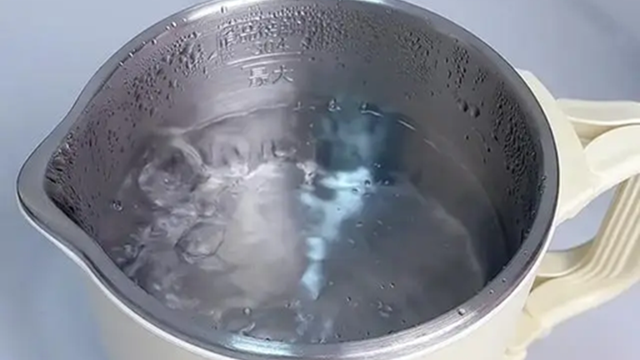
Many people leave water in the kettle throughout the day, reheating it several times whenever they need another cup of tea or coffee.
For most people using clean tap water, occasionally reboiling water is not considered a major health concern. However, repeated boiling causes water to evaporate, leaving dissolved minerals behind in higher concentrations. It can also contribute to mineral scale building up inside kettles over time.
Although this is usually more of a taste and appliance issue than a health problem, using fresh water each time may improve flavor and reduce limescale.
2. Forgetting to Clean the Kettle
Whether you use an electric kettle, stovetop kettle, or water boiler, mineral deposits naturally accumulate over time.
This white or chalky layer—often called limescale—is formed by minerals such as calcium and magnesium.
While limescale itself is generally not dangerous, heavy buildup can:
- Reduce heating efficiency
- Affect the taste of water
- Provide places where bacteria may accumulate if the appliance is not cleaned regularly
Cleaning your kettle according to the manufacturer's instructions helps keep it working efficiently.
3. Storing Boiled Water for Too Long
Boiled water doesn't stay sterile forever.
Once it cools, it can become contaminated again if stored in an unclean container or left uncovered.
To help maintain water quality:
- Store cooled boiled water in a clean, covered container.
- Refrigerate it if keeping it for an extended period.
- Avoid drinking water that has been sitting uncovered for long periods, especially in warm environments.
4. Assuming Boiling Removes Every Contaminant
Boiling is excellent for killing many bacteria, viruses, and parasites.
However, it does not remove every possible contaminant.
For example, boiling generally does not eliminate:
- Heavy metals
- Certain industrial chemicals
- Some pesticides
- Dissolved salts
If your water source is suspected of chemical contamination, proper filtration or guidance from local authorities may be needed in addition to boiling.
5. Using Damaged or Poor-Quality Cookware

The condition of your kettle or pot also matters.
Old cookware with damaged coatings, heavy rust, or broken components may not perform as intended.
Using food-safe cookware in good condition and replacing damaged equipment when necessary can help ensure safer food and beverage preparation.
Tips for Better Water Safety
Simple habits can help improve the quality of the water you drink every day.
Consider these practical tips:
- Use fresh, clean water when filling the kettle.
- Clean kettles and coffee makers regularly.
- Store boiled water in clean containers with lids.
- Follow local recommendations if there are boil-water advisories.
- Replace damaged kettles or cookware when they show significant wear.
- If using well water or another private water source, have it tested periodically.
Why Water Quality Matters
Water supports nearly every function in the body. It helps regulate temperature, transports nutrients, supports digestion, and keeps organs functioning properly.
Although boiling is an effective way to reduce many disease-causing microorganisms, it works best as part of good overall water hygiene—not as the only step.
Paying attention to how water is stored, how appliances are maintained, and where the water comes from can all contribute to safer drinking water.
The Bottom Line

Boiling water is a valuable practice, especially when the safety of the water supply is uncertain. However, it isn't a complete solution for every water-quality issue.
Using fresh water, cleaning your kettle regularly, storing boiled water properly, and understanding the limits of boiling are simple habits that can help you enjoy cleaner, better-tasting water every day.
Small changes in your daily routine may not seem significant, but over time they can contribute to better household hygiene and greater peace of mind.