
Men Born in These Months Are Said to Make the Best Husbands—Here’s Why
Could Your Birth Month Reveal Your Relationship Style?
Tips 01/07/2026 12:20
A healthy smile is more than just an attractive feature—it reflects your overall well-being. Strong teeth allow you to eat comfortably, speak clearly, and smile with confidence. Yet tooth decay remains one of the most common health problems worldwide, affecting children and adults alike.
Tooth decay, also known as dental caries or cavities, develops when bacteria in the mouth feed on sugars from food and drinks. These bacteria produce acids that gradually wear away tooth enamel, the hard outer layer of the teeth. If left untreated, decay can progress deeper into the tooth, leading to pain, infection, and even tooth loss.
The good news is that many cases of tooth decay are preventable. By adopting healthy daily habits and making smart dietary choices, you can significantly reduce your risk of cavities while supporting long-term oral health.
Here are 7 simple, natural ways to help protect your smile.

Brushing remains the foundation of good oral hygiene. Removing plaque—a sticky film of bacteria—from your teeth every day helps prevent the acid attacks that lead to cavities.
Dentists recommend brushing:
Twice daily
For at least two minutes each time
Using a soft-bristled toothbrush
With fluoride toothpaste
Fluoride strengthens enamel by helping replace minerals lost during acid attacks, making teeth more resistant to decay.
Be sure to brush all tooth surfaces, including the backs of your teeth and along the gumline. Replace your toothbrush every three to four months, or sooner if the bristles become frayed.
Even the best toothbrush cannot reach the tight spaces between your teeth.
Dental floss removes plaque and food particles that become trapped where toothbrush bristles cannot reach. Without flossing, bacteria continue feeding on these food particles, increasing the risk of cavities and gum disease.
If traditional floss is difficult to use, consider alternatives such as:
Floss picks
Water flossers
Interdental brushes
Daily flossing helps keep your entire mouth cleaner and healthier.
Sugar is one of the biggest contributors to tooth decay.
When bacteria digest sugar, they produce acids that attack tooth enamel for about 20 to 30 minutes after eating or drinking.
Frequent snacking on sugary foods exposes teeth to repeated acid attacks throughout the day.
Try to reduce your intake of:
Candy
Cookies
Cakes
Sweetened cereals
Soda
Energy drinks
Sweet tea
Sugary coffee beverages
Instead, choose healthier snacks such as:
Cheese
Plain yogurt
Fresh vegetables
Nuts
Fresh fruit in moderation
Drinking water after eating sugary foods can also help rinse away food particles and reduce acid exposure.

Saliva is one of your body's best natural defenses against cavities.
It helps:
Wash away food debris
Neutralize harmful acids
Deliver minerals that strengthen enamel
Reduce bacterial growth
Dry mouth increases the risk of tooth decay because there is less saliva available to protect your teeth.
Support healthy saliva production by:
Drinking plenty of water
Limiting alcohol
Avoiding tobacco products
Chewing sugar-free gum containing xylitol after meals
Xylitol is a natural sweetener that may reduce the growth of cavity-causing bacteria while stimulating saliva flow.
Your teeth rely on a steady supply of vitamins and minerals to stay healthy.
Focus on nutrient-rich foods such as:
Milk
Cheese
Yogurt
Tofu
Leafy green vegetables
Fatty fish
Eggs
Fortified dairy products
Safe sunlight exposure
Chicken
Fish
Lentils
Nuts
Oranges
Strawberries
Bell peppers
Broccoli
Vitamin C supports healthy gums, while calcium and phosphorus help maintain strong enamel.
A balanced diet benefits both your teeth and your overall health.
Smoking and other tobacco products can seriously harm oral health.
Tobacco use is associated with:
Increased plaque buildup
Gum disease
Bad breath
Tooth discoloration
Slower healing after dental procedures
Greater risk of oral cancer
Smoking may also reduce saliva production, making cavities more likely.
Quitting tobacco is one of the best steps you can take for your mouth and your overall health.
Natural habits are essential, but they cannot replace professional dental care.
Regular dental checkups allow dentists to:
Detect cavities early
Remove hardened plaque (tartar)
Check for gum disease
Monitor oral cancer risk
Provide personalized oral hygiene advice
Most healthy adults benefit from dental checkups every six months, although some individuals may need more frequent visits based on their oral health.
Early treatment is usually simpler, less invasive, and less expensive than treating advanced decay.
Small daily habits can make a big difference over time.
Consider these additional strategies:
Rinse your mouth with water after meals.
Avoid brushing immediately after consuming acidic foods or drinks—wait about 30 minutes to allow enamel to reharden.
Replace sugary beverages with water whenever possible.
Limit frequent snacking between meals.
Wear a mouthguard if you grind your teeth or play contact sports.
Teach children healthy brushing habits from an early age.
Consistency matters far more than perfection.
Even with excellent oral hygiene, problems can still develop.
Schedule a dental appointment if you notice:
Persistent tooth sensitivity
Toothache
Visible holes or dark spots on teeth
Bleeding gums
Swollen gums
Persistent bad breath
Loose teeth
Early evaluation can prevent small issues from becoming major dental problems.

A healthy smile doesn't happen by chance - it develops through consistent daily care. Brushing with fluoride toothpaste, flossing, eating a balanced diet, limiting sugar, staying hydrated, avoiding tobacco, and visiting your dentist regularly are all evidence-based strategies that help reduce the risk of tooth decay.
While no natural remedy can guarantee cavity prevention or replace professional dental care, these simple habits work together to keep your teeth stronger, your gums healthier, and your smile brighter for years to come.
Protecting your smile starts with the choices you make every day. A few minutes of care now can help preserve your natural teeth and support lifelong oral health.
Could Your Birth Month Reveal Your Relationship Style?
Apple Cider Vinegar: 12 Popular Uses Backed by Tradition and Research

6 Surprising Things Your Phone's Volume Buttons Can Actually Do
Why You Should Cut a Lemon into 4, Add Salt, and Leave It in Your Room Overnight

A simple hotel-room trick that may improve hygiene and peace of mind.

This tiny piece of jewelry has over 4,000 years of history.

Curious About the Kamitetep? Here's What You Should Know About This Remarkable Moth

Age alone doesn't determine driving ability—health and safety matter most.

Small everyday changes may reveal important health concerns in older adults.

A Fun Personality Test That Starts With Just Three Beautiful Cups.

7 Popular Beauty Uses for Coconut Oil and What You Should Know


Some Plants May Attract the Animals That Snakes Feed On - Here's What to Know

Most Refrigerator Leaks Have Simple Fixes!

A Traditional Cleaning Secret That's Making a Comeback.

It's not always the plant—it's what the plant attracts.
Natural household tricks that may help keep ants away without harsh chemicals.

Extend the Shelf Life of Fresh Ginger Using These Simple Storage Methods

Gentle Facial Hair Removal: What Works and What to Keep in Mind

What Doctors Say About Parasite Risks in Certain Common Foods May Surprise You 👀

She Ate Boiled Sweet Potatoes Every Morning for One Year—Doctors Were Surprised

Your Diet May Play a Role in Artery Health—Here’s What to Know 👀
Could Your Birth Month Reveal Your Relationship Style?

The Health Benefits of Chicken Feet Might Surprise You—Learn More 👇

Discover 8 Ways Banana Blossoms May Support Your Health

There are many foods that could fill you up quickly, but you wouldn’t find them on your dinner plate every night. So, what is the food that’s both deadly and widely consumed around the globe?
🍽️ Millions Love This Food—But There's One Thing Most People Never Hear About. 👇
Apple Cider Vinegar: 12 Popular Uses Backed by Tradition and Research

Did You Know That Waking Up at 3 or 4 in the Morning Is a Clear Sign of Something Your Body Is Trying to Tell You?

5 Signs Your Kidneys May Be Weak — And Why You Should See a Doctor Immediately

Not a Miracle Food—But an Important Piece of a Healthy Lifestyle

The Earlier You Notice These Signs, the Better Your Chances of Taking Action.
6 Surprising Things Your Phone's Volume Buttons Can Actually Do

Many people wonder about the meaning of the intriguing gesture of scratching the palm of another person’s hand, especially when it occurs between a man and a woman.
Why You Should Cut a Lemon into 4, Add Salt, and Leave It in Your Room Overnight

What Does Breast Size Really Mean? Understanding the Facts

Cer.vical can.cer remains one of the leading cancers affecting women worldwide, but it is also one of the most preventable forms of can.cer, thanks to early detection through regular screening (Pap smears) and the availability of the HPV vaccine.
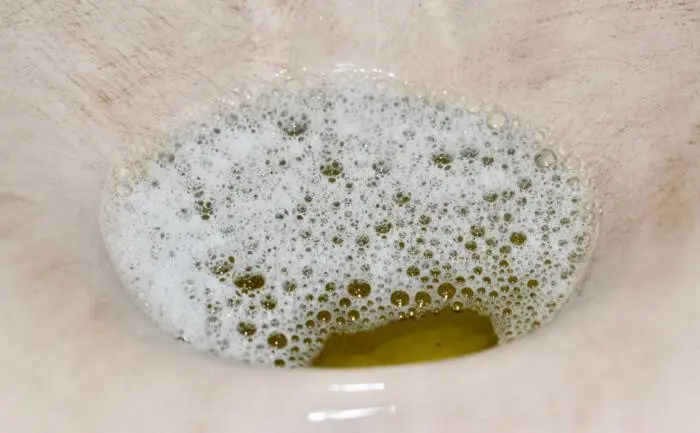
Your Urine Looks Foamy? Here Are the Hidden Causes You Should Know