Fresh ginger is one of the most versatile ingredients found in kitchens around the world. Its distinctive aroma and spicy flavor make it a favorite in soups, stir-fries, teas, baked goods, marinades, and traditional herbal drinks. Besides adding flavor to meals, ginger also contains natural compounds such as gingerols and shogaols, which have been studied for their antioxidant and anti-inflammatory properties.
Despite its many uses, fresh ginger doesn't always stay fresh for long. Many people have experienced buying a large piece of ginger, only to find it dried out, moldy, or shriveled before they could finish using it. Fortunately, with the right storage methods, you can significantly extend its shelf life and reduce food waste.
While no storage method keeps fresh ginger exactly the same forever, several simple techniques can help it remain usable for weeks or even months, depending on how it is stored.
Why Does Ginger Spoil?
Fresh ginger naturally contains moisture.
Over time, it may:
-
Dry out
-
Become wrinkled
-
Develop mold
-
Lose flavor
-
Become soft or mushy
Factors that speed up spoilage include:
-
Warm temperatures
-
Excess moisture
-
Poor air circulation
-
Improper storage
Choosing the right storage method helps slow these changes.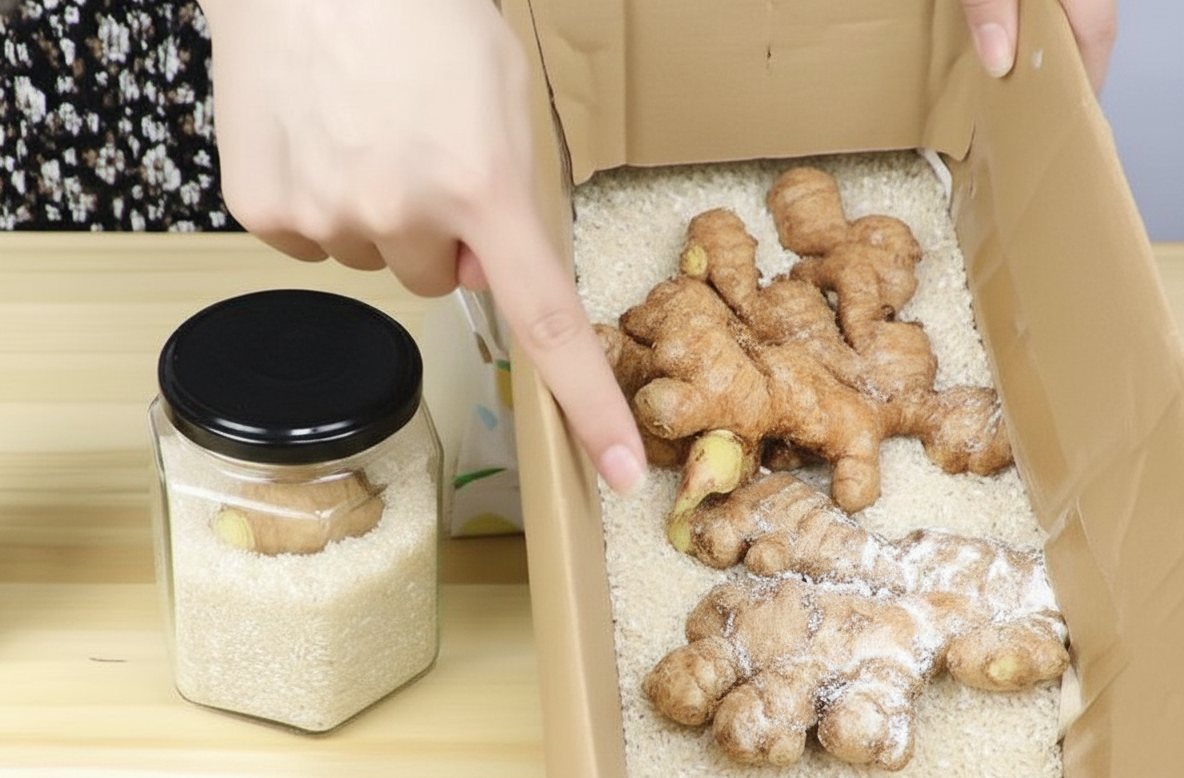
1. Store Whole Ginger in a Cool, Dry Place
If you plan to use your ginger within a week or two, storing it at room temperature is often sufficient.
Choose a place that is:
-
Cool
-
Dry
-
Well ventilated
-
Away from direct sunlight
Avoid storing ginger near:
-
Heat sources
-
Damp areas
-
Windows with direct sunlight
Whole, unpeeled ginger generally lasts longer than peeled ginger.
Best For
-
Short-term storage
-
Frequent cooking
2. Refrigerate Ginger Properly
For longer storage, the refrigerator is one of the best options.
Place whole, unpeeled ginger in:
-
A paper towel to absorb excess moisture
-
A resealable plastic bag or airtight container
Try to remove as much air as possible before sealing.
Stored this way, ginger may remain fresh for several weeks, depending on its initial quality.
Avoid washing ginger before refrigerating it, as excess moisture can encourage mold growth.
3. Freeze Whole or Sliced Ginger
Freezing is one of the easiest ways to preserve ginger for several months.
You can freeze:
-
Whole roots
-
Small pieces
-
Thin slices
Simply place the ginger in a freezer-safe bag or airtight container.
Many cooks grate frozen ginger directly into recipes without thawing.
Freezing helps preserve flavor remarkably well, although the texture becomes softer after thawing.
Benefits
-
Long storage time
-
Convenient for cooking
-
Minimal preparation
4. Freeze Grated Ginger in Small Portions
If you use ginger frequently, consider grating it before freezing.
Divide the grated ginger into small portions using:
-
Ice cube trays
-
Small silicone molds
-
Spoonfuls on baking paper
Once frozen, transfer the portions to a freezer bag.
This makes cooking much more convenient because you can add exactly the amount you need.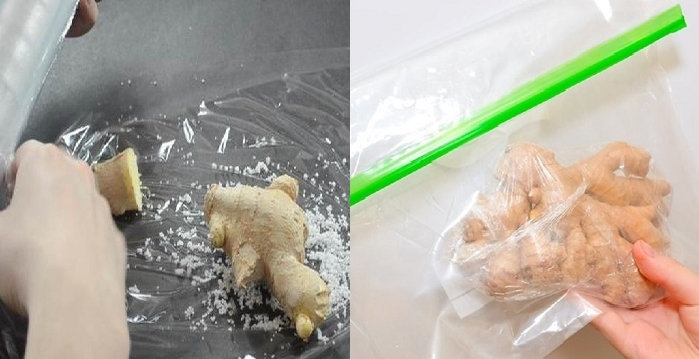
5. Store Ginger in Vinegar or Cooking Alcohol
Some people preserve peeled ginger by storing it in:
-
Rice vinegar
-
Dry sherry
-
Vodka (for culinary preservation)
The liquid helps slow spoilage while adding unique flavors suitable for certain recipes.
Always keep these preparations refrigerated.
Keep in mind that storing ginger this way changes its taste slightly, making it better suited for cooking than for fresh applications.
6. Dry Ginger for Long-Term Storage
Drying is another traditional preservation method.
You can:
-
Slice ginger thinly.
-
Dry it using a food dehydrator or a low-temperature oven.
-
Store it in an airtight container.
Dried ginger lasts much longer than fresh ginger and works well in:
-
Baking
-
Spice blends
-
Herbal teas
-
Soups
Although the flavor differs somewhat from fresh ginger, it remains highly useful.
Should You Peel Ginger Before Storing It?
Generally, no.
Leaving the skin on helps protect the ginger from drying out.
Peel ginger only when you're ready to use it.
If you have already peeled it, store it in the refrigerator inside an airtight container and use it within several days.
How to Tell If Ginger Has Gone Bad
Fresh ginger should be:
-
Firm
-
Smooth
-
Fragrant
-
Slightly shiny
Discard ginger if you notice:
-
Mold
-
Slimy texture
-
Soft, mushy spots
-
Strong unpleasant odor
-
Extensive shriveling
Small dry spots may simply be trimmed away if the remaining ginger is still firm and healthy.
Can You Eat Ginger That Has Sprouted?
Sometimes ginger develops small green shoots.
In many cases, sprouted ginger is still safe to eat if:
-
It remains firm.
-
There is no mold.
-
It smells fresh.
However, the flavor may become slightly less intense over time.
Health Benefits of Ginger
Besides being flavorful, ginger provides several compounds studied for potential health benefits.
Research suggests ginger may help support:
Digestive Comfort
Ginger has traditionally been used to relieve:
-
Mild nausea
-
Motion sickness
-
Pregnancy-related nausea (under medical guidance)
-
Indigestion
Anti-Inflammatory Properties
Natural compounds such as gingerols have shown anti-inflammatory activity in laboratory and clinical studies.
Antioxidant Effects
Ginger contains antioxidants that help protect cells from oxidative stress.
More research continues to explore these potential benefits.
Common Myths About Ginger Storage
Myth 1: Ginger Can Stay Fresh for Six Months on the Kitchen Counter
False.
Fresh ginger stored at room temperature usually lasts only a few weeks.
Longer storage generally requires refrigeration, freezing, drying, or another preservation method.
Myth 2: Freezing Ruins Ginger
False.
Freezing changes the texture but preserves much of the flavor, making frozen ginger excellent for cooking.
Myth 3: Wrinkled Ginger Is Always Unsafe
Not necessarily.
Slightly dried ginger may still be perfectly usable if it remains firm and free of mold.
Tips to Reduce Food Waste
To get the most from your ginger:
-
Buy only what you expect to use.
-
Freeze extra portions.
-
Label frozen ginger with the date.
-
Store it properly immediately after purchase.
-
Check periodically for signs of spoilage.
Small storage habits can save both money and food.
Delicious Ways to Use Fresh Ginger
Fresh ginger adds flavor to countless recipes, including:
-
Stir-fries
-
Soups
-
Curries
-
Marinades
-
Smoothies
-
Herbal tea
-
Salad dressings
-
Baked goods
Its versatility makes it worth keeping on hand.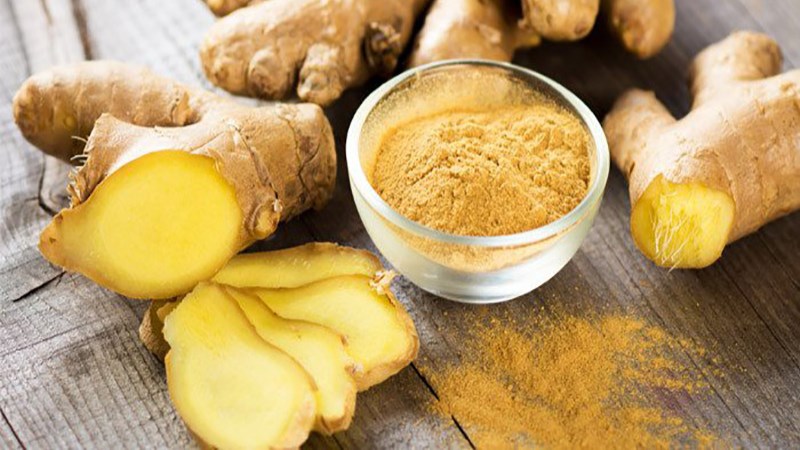
Final Thoughts
Fresh ginger is a flavorful and nutritious ingredient that deserves a place in many kitchens, but proper storage is essential if you want it to last. Whether you keep it in a cool pantry for short-term use, refrigerate it for several weeks, freeze it for months, or preserve it by drying or storing it in vinegar, the right method depends on how quickly you plan to use it.
It's important to remember that no storage technique can keep ginger permanently fresh, and claims that it can remain fresh for six months at room temperature are not supported by food safety recommendations. However, by choosing the right preservation method and checking regularly for signs of spoilage, you can enjoy fresh ginger for much longer while reducing food waste and saving money.
A little care goes a long way—and with these simple storage hacks, you'll always have fresh ginger ready for your next meal.