Diabetes is one of the most common chronic health conditions worldwide, affecting hundreds of millions of people. One of the biggest challenges is that many individuals live with diabetes or prediabetes for years without realizing it. In the early stages especially with type 2 diabetes - symptoms often develop gradually and may be so mild that they are mistaken for normal aging, stress, or a busy lifestyle.
Recognizing potential warning signs early can lead to earlier diagnosis, timely treatment, and better long-term health outcomes. While the symptoms below do not automatically mean you have diabetes, they should not be ignored, especially if several occur together or persist over time.
Let's explore 10 possible warning signs of diabetes and why they happen.
What Is Diabetes?
Diabetes is a condition in which the body has difficulty regulating blood sugar (glucose).
The two main types are:
-
Type 1 diabetes, where the immune system attacks insulin-producing cells in the pancreas.
-
Type 2 diabetes, where the body becomes resistant to insulin or doesn't produce enough insulin.
Without enough effective insulin, glucose builds up in the bloodstream instead of being used for energy.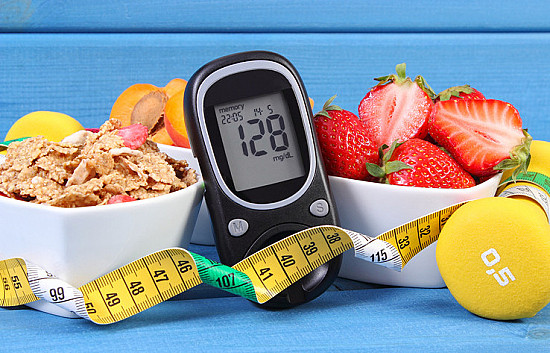
Why Early Detection Matters
When left untreated, high blood sugar can gradually damage:
-
Blood vessels
-
Nerves
-
Eyes
-
Kidneys
-
Heart
Early diagnosis allows treatment that can help reduce the risk of long-term complications.
1. Frequent Urination
One of the earliest and most common symptoms of diabetes is needing to urinate more often than usual.
When blood sugar becomes very high, the kidneys work harder to remove excess glucose through urine.
This causes the body to lose more water, leading to:
-
Frequent daytime urination
-
Waking several times at night to urinate
Many other conditions can also cause frequent urination, so medical evaluation is important.
2. Increased Thirst
Because the body loses more fluid through frequent urination, dehydration may develop.
As a result, many people notice:
-
Constant thirst
-
Dry mouth
-
Needing to drink much more water than usual
Drinking more water may temporarily relieve thirst, but it does not correct the underlying high blood sugar.
3. Increased Hunger
Even though blood sugar is high, the body's cells may not receive enough glucose for energy when insulin is not working properly.
This can lead to:
-
Feeling hungry shortly after eating
-
Increased appetite
-
Craving food more often
Persistent hunger, especially when combined with other symptoms, deserves medical attention.
4. Unexplained Weight Loss
Unexpected weight loss can occur, particularly in type 1 diabetes, but it may also happen in some people with type 2 diabetes.
Without enough insulin, the body begins breaking down:
-
Fat
-
Muscle
for energy, resulting in weight loss despite eating normally or even more than usual.
Any unexplained weight loss should be evaluated by a healthcare professional.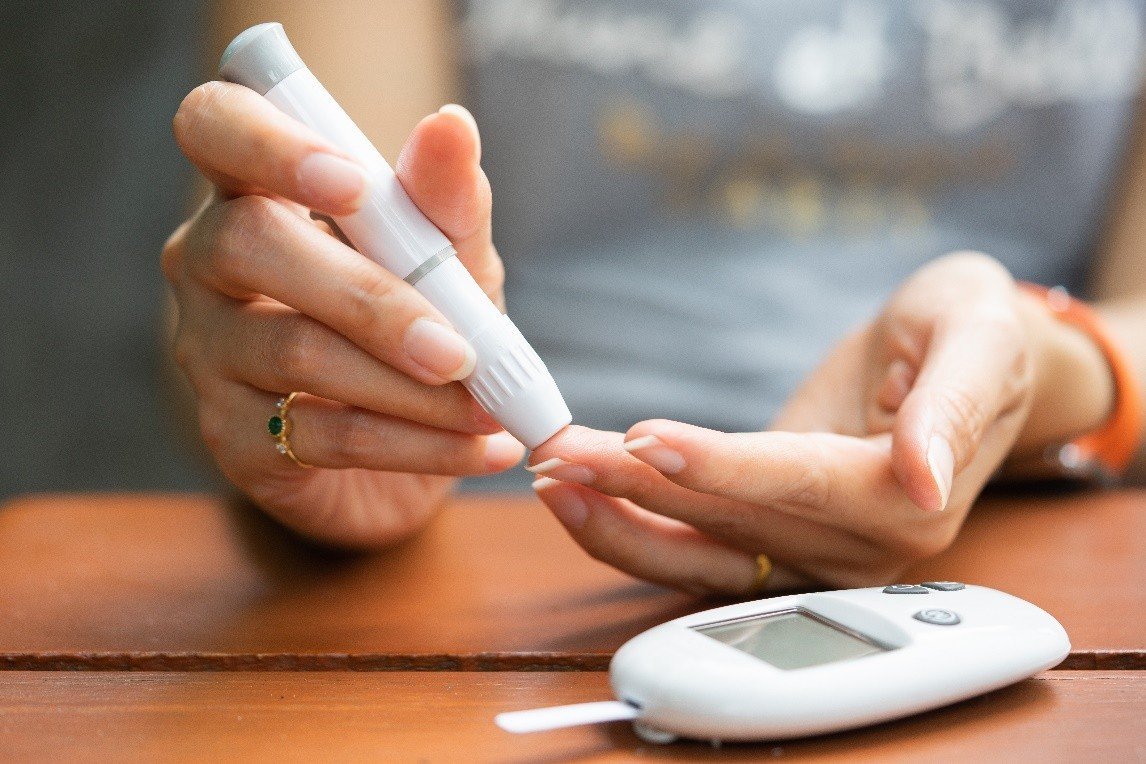
5. Persistent Fatigue
Feeling unusually tired is another common symptom.
High blood sugar can reduce the body's ability to use glucose efficiently for energy.
Fatigue may include:
-
Low energy
-
Feeling exhausted despite adequate sleep
-
Difficulty concentrating
Many conditions cause fatigue, but persistent tiredness should not be ignored.
6. Blurred Vision
High blood sugar can temporarily affect the lenses inside the eyes, leading to:
-
Blurry vision
-
Difficulty focusing
-
Fluctuating eyesight
If diabetes remains uncontrolled over time, it can also damage the blood vessels of the retina, a condition known as diabetic retinopathy.
Sudden or persistent vision changes should always be evaluated promptly.
7. Slow-Healing Cuts or Wounds
High blood sugar may interfere with normal healing by affecting:
-
Blood circulation
-
Immune function
-
Tissue repair
You may notice:
-
Small cuts healing slowly
-
Persistent sores
-
Recurrent skin infections
Poor wound healing can have many causes, but diabetes is one possibility.
8. Tingling or Numbness in the Hands and Feet
Persistently elevated blood sugar may damage nerves over time.
This condition, called diabetic neuropathy, can cause:
-
Tingling
-
Numbness
-
Burning sensations
-
Reduced feeling in the feet or hands
These symptoms usually develop gradually.
9. Frequent Infections
People with diabetes may be more susceptible to infections because elevated blood sugar can affect immune function.
Common infections include:
-
Urinary tract infections
-
Skin infections
-
Gum infections
-
Yeast infections
Recurring infections should be discussed with a healthcare provider.
10. Darkened Areas of Skin
Some people with insulin resistance develop patches of darker, thicker skin known as acanthosis nigricans.
These areas commonly appear on:
-
The neck
-
Armpits
-
Groin
-
Elbows
Although not everyone with acanthosis nigricans has diabetes, it can be a sign of insulin resistance and should be medically evaluated.
Who Is at Higher Risk?
Several factors increase the likelihood of developing type 2 diabetes.
These include:
-
Family history of diabetes
-
Overweight or obesity
-
Physical inactivity
-
Age over 45 (although younger adults can also develop diabetes)
-
High blood pressure
-
High cholesterol
-
History of gestational diabetes
-
Polycystic ovary syndrome (PCOS)
Having one or more risk factors does not mean you will definitely develop diabetes, but it may justify regular screening.
How Is Diabetes Diagnosed?
Diabetes cannot be diagnosed based on symptoms alone.
Healthcare providers typically use one or more of the following tests:
-
Fasting blood glucose
-
Hemoglobin A1c (HbA1c)
-
Oral glucose tolerance test
-
Random blood glucose (in certain situations)
These tests measure blood sugar levels and help confirm the diagnosis.
Can Diabetes Be Prevented?
Although type 1 diabetes cannot currently be prevented, many cases of type 2 diabetes can be delayed or prevented through healthy lifestyle choices.
Helpful habits include:
Eat a Balanced Diet
Choose:
-
Fruits
-
Vegetables
-
Whole grains
-
Lean proteins
-
Healthy fats
Limit sugary beverages and highly processed foods.
Stay Physically Active
Aim for at least 150 minutes of moderate exercise each week, unless advised otherwise by your healthcare provider.
Maintain a Healthy Weight
Even modest weight loss may reduce the risk of developing type 2 diabetes in people at high risk.
Get Regular Checkups
Routine blood sugar testing is especially important if you have risk factors.
Common Myths About Diabetes
Myth 1: Diabetes Always Causes Symptoms
False.
Many people with type 2 diabetes have no noticeable symptoms for years.
Myth 2: Eating Sugar Alone Causes Diabetes
False.
Type 2 diabetes develops from a combination of genetics, lifestyle, body weight, and insulin resistance.
No single food causes diabetes on its own.
Myth 3: Only Older Adults Develop Diabetes
False.
Type 2 diabetes is increasingly being diagnosed in younger adults, adolescents, and even children.
When Should You See a Doctor?
Schedule a medical evaluation if you experience:
-
Persistent excessive thirst
-
Frequent urination
-
Unexplained weight loss
-
Ongoing fatigue
-
Blurred vision
-
Slow-healing wounds
-
Tingling or numbness
-
Recurrent infections
These symptoms may have many possible causes, but diabetes is one that should be ruled out.
Final Thoughts
Diabetes often develops gradually, making its early warning signs easy to overlook. Frequent urination, increased thirst, unusual hunger, unexplained weight loss, fatigue, blurred vision, slow-healing wounds, tingling in the hands or feet, frequent infections, and darkened skin patches are all symptoms that may warrant further evaluation.
It's important to remember that these signs do not necessarily mean you have diabetes, but they should never be ignored if they persist. The only way to confirm diabetes is through appropriate medical testing, such as fasting blood glucose or HbA1c measurements.
By recognizing these potential warning signs, attending regular health checkups, maintaining a healthy lifestyle, and seeking medical advice when symptoms arise, you can improve the chances of early diagnosis and effective management. Early action can make a significant difference in protecting your long-term health.