Our feet do much more than support our body weight. They can sometimes provide important clues about our overall health. Changes such as persistent swelling, unusual pain, numbness, or skin discoloration may occasionally point to circulation problems, nerve disorders, infections, or other medical conditions that deserve attention.
Some people have heard claims that foot symptoms can be an "early warning sign" of cervical cancer. In reality, cervical cancer rarely causes symptoms in the feet during its early stages. When foot or leg symptoms occur, they are generally associated with advanced disease or with conditions unrelated to cervical cancer. Even then, these symptoms are far more commonly caused by other medical problems.
Understanding what these changes may mean and knowing when to seek medical care can help protect your health.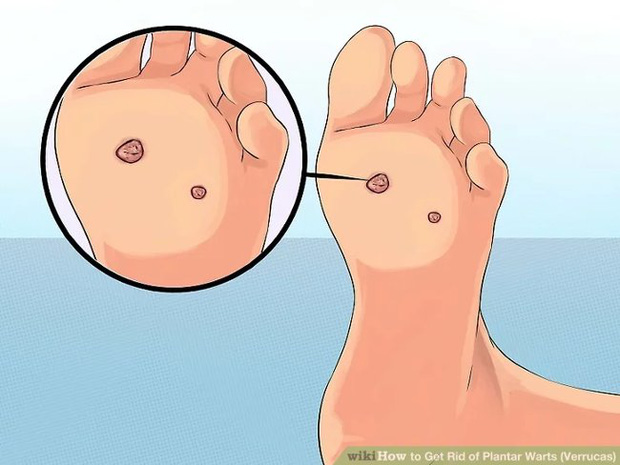
Can Cervical Cancer Cause Foot Symptoms?
Early cervical cancer usually causes no symptoms.
When symptoms do develop, they more commonly include:
-
Abnormal vaginal bleeding
-
Bleeding after sexual intercourse
-
Pelvic pain
-
Unusual vaginal discharge
-
Pain during intercourse
Foot or leg symptoms are not considered early warning signs of cervical cancer.
However, in advanced cases, cancer may affect nearby lymph nodes, blood vessels, or nerves, which can sometimes lead to changes in the legs or feet.
These symptoms are uncommon and should always be evaluated by a healthcare professional.
1. Persistent Swelling in One Leg or Foot
One possible symptom seen in some advanced cases is swelling affecting one leg or foot.
Why Can This Happen?
If cancer spreads to lymph nodes within the pelvis, it may interfere with the normal drainage of lymphatic fluid.
This may lead to lymphedema, causing:
-
Swelling of one leg
-
Tightness
-
Heaviness
-
Difficulty fitting into shoes
However, leg swelling is far more often caused by other conditions, including:
-
Venous insufficiency
-
Blood clots
-
Heart failure
-
Kidney disease
-
Injury
-
Infection
Persistent swelling should always be medically evaluated.
2. Persistent Pain in the Legs or Feet
Ongoing pain that cannot be explained by exercise or injury deserves attention.
In advanced cervical cancer, pelvic tumors may occasionally press on nearby nerves, leading to:
-
Aching pain
-
Pain radiating into the leg
-
Discomfort in the hip or foot
Much more commonly, however, leg pain results from:
-
Arthritis
-
Sciatica
-
Muscle strain
-
Nerve compression
-
Poor circulation
A medical evaluation helps determine the true cause.
3. Numbness or Tingling
Some people may experience:
-
Tingling
-
Numbness
-
Burning sensations
-
Weakness
If cancer affects pelvic nerves, these symptoms may occasionally occur.
More commonly, numbness is caused by:
-
Diabetes
-
Vitamin deficiencies
-
Peripheral neuropathy
-
Herniated discs
-
Circulatory disorders
Persistent neurological symptoms should never be ignored.
4. Skin Color Changes or Slow-Healing Sores
Changes in circulation may sometimes affect the appearance of the feet.
Possible signs include:
-
Pale skin
-
Bluish discoloration
-
Persistent redness
-
Slow-healing wounds
Although these symptoms are not typical signs of cervical cancer, they may indicate:
-
Peripheral artery disease
-
Diabetes
-
Venous disease
-
Infection
Any wound that does not heal properly should be evaluated promptly.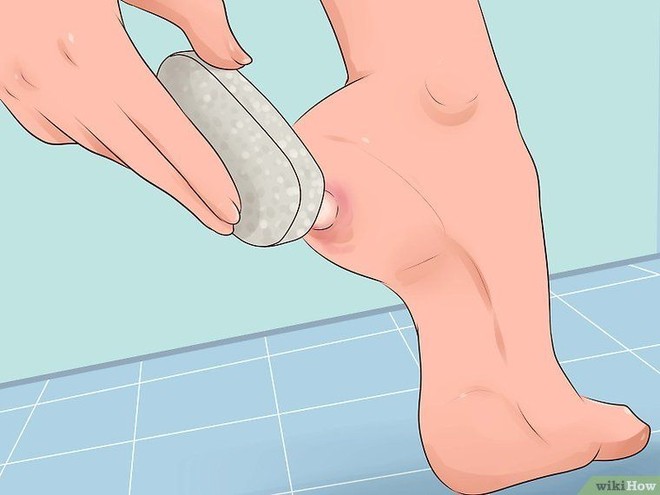
Common Symptoms of Cervical Cancer
Instead of foot symptoms, women should pay closer attention to the more typical warning signs of cervical cancer.
These include:
-
Bleeding between periods
-
Bleeding after menopause
-
Bleeding after sexual intercourse
-
Persistent pelvic pain
-
Unusual vaginal discharge
-
Pain during sexual intercourse
These symptoms are not specific to cervical cancer but warrant medical evaluation if they persist.
What Causes Cervical Cancer?
Nearly all cervical cancers are linked to persistent infection with high-risk types of human papillomavirus (HPV).
HPV is extremely common, and most infections clear naturally.
Only a small proportion of persistent infections eventually lead to abnormal cervical cells and, over many years, cervical cancer.
The Importance of Screening
One of the most effective ways to reduce cervical cancer deaths is routine screening.
Depending on age and local recommendations, healthcare providers may recommend:
-
Pap smear (Pap test)
-
HPV testing
-
Co-testing (Pap test plus HPV test)
These tests can detect abnormal cells before cancer develops.
HPV Vaccination
The HPV vaccine protects against the HPV types responsible for most cervical cancers.
Vaccination is recommended in many countries before exposure to HPV but may also benefit some older individuals depending on national guidelines.
Discuss vaccination with your healthcare provider if you have questions.
Other Conditions That Can Affect Your Feet
Many common health conditions first appear in the feet.
Examples include:
Diabetes
May cause:
-
Numbness
-
Tingling
-
Slow-healing wounds
Peripheral Artery Disease
May cause:
-
Cold feet
-
Pain while walking
-
Pale skin
-
Poor wound healing
Heart Failure
May cause:
-
Swelling in both feet and ankles
Kidney Disease
May contribute to:
-
Fluid retention
-
Swelling
Deep Vein Thrombosis (DVT)
May cause:
-
Sudden swelling
-
Pain
-
Warmth
-
Redness in one leg
Some of these conditions require urgent medical attention.
Healthy Habits That Support Cervical Health
While no lifestyle can completely prevent cervical cancer, several steps may reduce risk.
These include:
Attend Regular Screening
Routine cervical screening remains one of the most effective preventive measures.
Receive HPV Vaccination
Vaccination significantly reduces the risk of HPV-related cervical cancer.
Avoid Smoking
Smoking increases the risk of persistent HPV infection and cervical cancer.
Practice Safe Sexual Health
Reducing HPV exposure supports long-term cervical health.
Common Myths
Myth 1: Foot Symptoms Usually Mean Cervical Cancer
False.
Foot symptoms are not typical early signs of cervical cancer.
They are much more likely to result from other medical conditions.
Myth 2: Cervical Cancer Always Causes Symptoms
False.
Early cervical cancer often produces no symptoms, making routine screening extremely important.
Myth 3: Normal Pap Tests Mean You Never Need Screening Again
Screening should continue according to your healthcare provider's recommendations.
When Should You See a Doctor?
Arrange a medical evaluation if you experience:
-
Persistent swelling in one leg
-
Ongoing foot or leg pain
-
Numbness or weakness
-
Slow-healing wounds
-
Abnormal vaginal bleeding
-
Persistent pelvic pain
-
Unusual vaginal discharge
Prompt evaluation can help identify the cause and guide appropriate treatment.
Final Thoughts
Your feet can sometimes provide valuable clues about your overall health, but they are not considered an early warning system for cervical cancer. Persistent swelling, pain, numbness, or skin changes are far more likely to be caused by circulation problems, nerve disorders, diabetes, or other medical conditions. In rare cases, similar symptoms may occur in advanced cervical cancer due to pressure on nerves or lymphatic vessels.
The most important signs of cervical cancer remain abnormal vaginal bleeding, unusual discharge, pelvic pain, and pain during intercourse. Because early cervical cancer often causes no symptoms, regular cervical screening and HPV vaccination remain the most effective tools for prevention and early detection.
If you notice persistent changes in your feet—or any unusual gynecological symptoms—don't ignore them. A timely medical evaluation can help identify the underlying cause and ensure you receive appropriate care.