Watermelon is one of the most refreshing fruits enjoyed around the world, especially during the warmer months. With its sweet flavor, high water content, and impressive nutritional profile, it's easy to see why it's a favorite summertime snack. Watermelon provides important vitamins, antioxidants, and hydration while being relatively low in calories.
For most healthy people, watermelon is an excellent addition to a balanced diet. However, like any food, it may not be the best choice in large amounts for everyone. Certain health conditions or dietary needs may require moderation or personalized advice.
This doesn't mean these individuals must completely avoid watermelon. In most cases, portion control and guidance from a healthcare professional are all that's needed.
Let's explore five groups of people who may benefit from limiting their watermelon intake.
Why Watermelon Is Considered Healthy
Watermelon is made up of about 90% water, making it one of the most hydrating fruits available.
It also contains:
-
Vitamin C
-
Vitamin A (from beta-carotene)
-
Potassium
-
Lycopene
-
Citrulline
-
Antioxidants
-
Small amounts of magnesium and vitamin B6
These nutrients support overall health when consumed as part of a varied diet.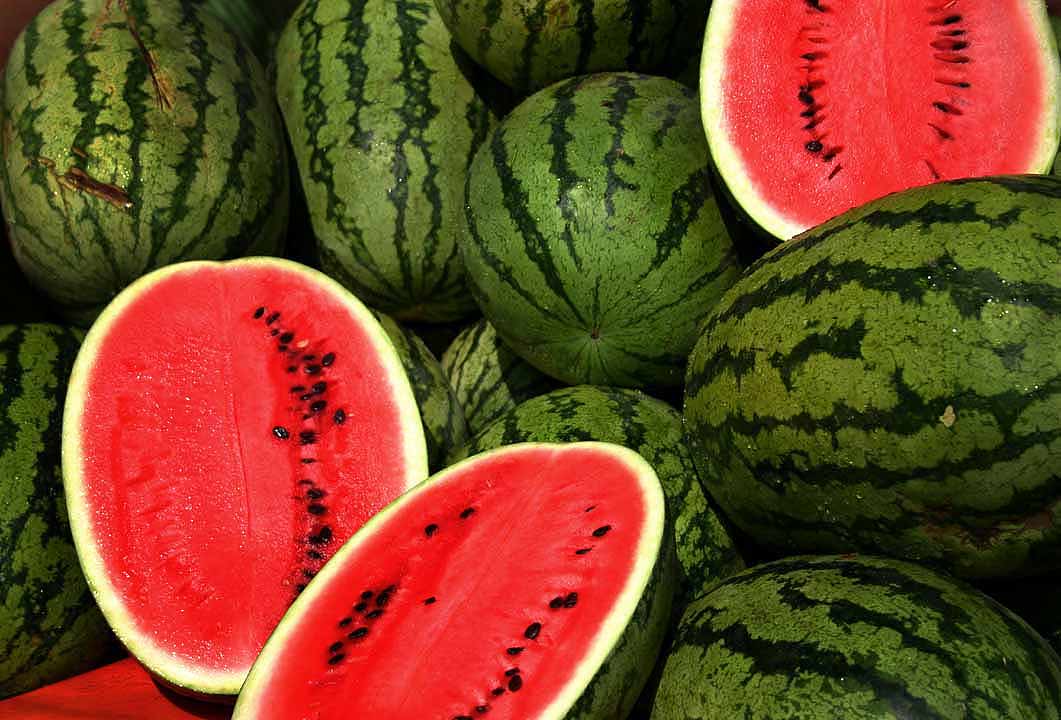
Health Benefits of Watermelon
Moderate consumption may help support:
-
Hydration
-
Heart health
-
Healthy skin
-
Eye health
-
Muscle recovery after exercise
-
Immune function
The key word is moderation.
1. People With Diabetes or Blood Sugar Concerns
Watermelon contains natural sugars.
Although it has a relatively high glycemic index (GI), its glycemic load (GL) is moderate because it contains a large amount of water.
What Does This Mean?
Most people with diabetes do not need to avoid watermelon completely.
However, eating very large portions at one time may contribute to larger increases in blood sugar.
Helpful Tips
If you have diabetes:
-
Choose moderate portions.
-
Pair watermelon with protein or healthy fats, such as a handful of nuts or plain yogurt.
-
Include it as part of a balanced meal rather than eating large amounts alone.
2. People With Advanced Kidney Disease
Watermelon contains potassium.
Potassium is an essential mineral that supports:
-
Muscle function
-
Nerve function
-
Heart rhythm
However, people with advanced kidney disease may have difficulty removing excess potassium from the body.
High potassium levels can become dangerous in severe kidney disease.
For this reason, some individuals may need to limit potassium-rich foods—including watermelon—according to their healthcare provider's recommendations.
Most people with healthy kidneys do not need to worry about this.
3. People Following Fluid Restrictions
Because watermelon contains so much water, it contributes to total daily fluid intake.
People who have been instructed to limit fluids due to conditions such as:
-
Advanced heart failure
-
Severe kidney disease
-
Certain liver conditions
may need to account for high-water foods, including watermelon.
Always follow individualized medical advice regarding fluid intake.
4. People With Sensitive Digestion or IBS
Some individuals with irritable bowel syndrome (IBS) or sensitive digestive systems may experience discomfort after eating large amounts of watermelon.
Watermelon contains FODMAPs, specifically excess fructose, which may trigger symptoms in some people.
Possible symptoms include:
-
Bloating
-
Gas
-
Abdominal discomfort
-
Diarrhea
Not everyone with IBS reacts to watermelon, but those following a low-FODMAP diet may choose to limit portion sizes.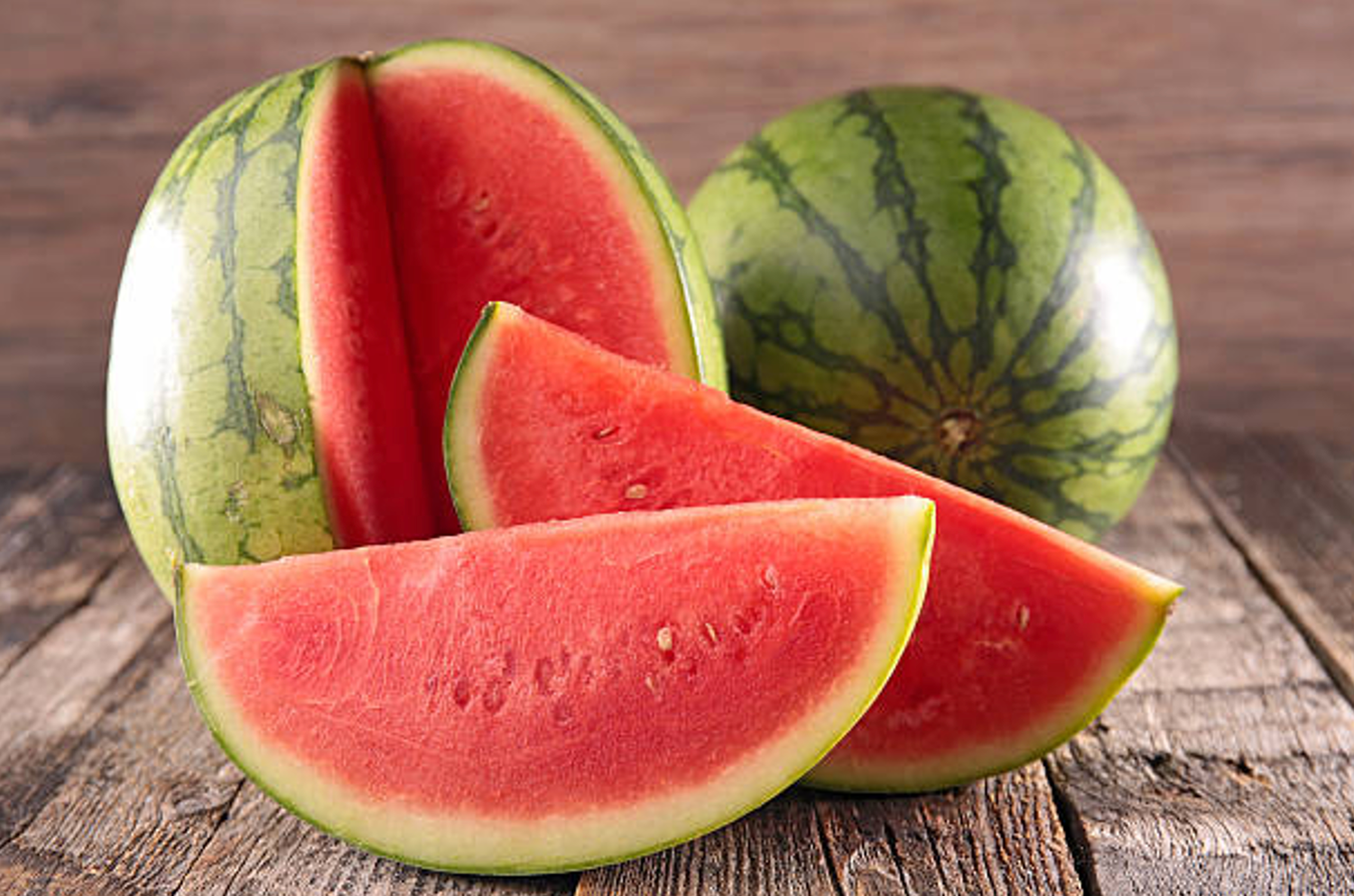
5. People With Rare Fruit Allergies
Although uncommon, watermelon allergies do occur.
Some individuals may experience oral allergy syndrome, particularly if they are allergic to certain pollens.
Possible symptoms include:
-
Itching of the mouth or throat
-
Swollen lips
-
Tingling sensations
In rare cases, more severe allergic reactions may occur.
Anyone experiencing difficulty breathing, facial swelling, or widespread hives after eating watermelon should seek immediate medical attention.
Can You Eat Too Much Watermelon?
Even healthy foods can cause discomfort if eaten in excessive amounts.
Very large servings of watermelon may contribute to:
-
Digestive discomfort
-
Frequent urination due to its high water content
-
Increased intake of natural sugars
-
Temporary bloating in sensitive individuals
For most healthy adults, enjoying watermelon in moderate portions is unlikely to cause problems.
How Much Watermelon Is Reasonable?
There is no universal serving size that fits everyone.
A typical serving is approximately:
-
1 to 2 cups of diced watermelon
This amount fits well into most healthy eating patterns.
Individual needs may vary depending on age, activity level, and medical conditions.
The Nutrients That Make Watermelon Special
Lycopene
Watermelon is one of the richest dietary sources of lycopene, a powerful antioxidant.
Research suggests lycopene may help support:
-
Heart health
-
Skin health
-
Protection against oxidative stress
Citrulline
Watermelon also contains citrulline, an amino acid involved in the production of nitric oxide.
Nitric oxide helps blood vessels relax and supports healthy circulation.
While watermelon contains citrulline, eating normal servings is not a substitute for medical treatment or supplements.
Choosing the Best Watermelon
Look for a watermelon that:
-
Feels heavy for its size
-
Has a creamy yellow field spot
-
Produces a deep, hollow sound when tapped
-
Has a firm, smooth rind
Once cut, refrigerate promptly and consume within several days.
Healthy Ways to Enjoy Watermelon
Try adding watermelon to:
-
Fruit salads
-
Smoothies
-
Yogurt bowls
-
Fresh salsa
-
Green salads with feta cheese
-
Chilled summer soups
Avoid adding excessive sugar, as watermelon is naturally sweet.
Common Myths About Watermelon
Myth 1: People With Diabetes Can Never Eat Watermelon
False.
Most people with diabetes can enjoy watermelon in moderate portions as part of a balanced meal plan.
Myth 2: Watermelon Is Just Sugar and Water
While watermelon is mostly water, it also provides vitamins, antioxidants, and beneficial plant compounds.
Myth 3: More Watermelon Means Better Health
Eating extremely large amounts of any single food is rarely beneficial.
Variety remains one of the foundations of healthy eating.
When Should You Ask Your Doctor?
Speak with a healthcare professional if you have:
-
Diabetes and difficulty controlling blood sugar
-
Advanced kidney disease
-
A prescribed fluid restriction
-
Frequent digestive symptoms after eating fruit
-
A suspected food allergy
Personalized dietary advice is always more valuable than general recommendations.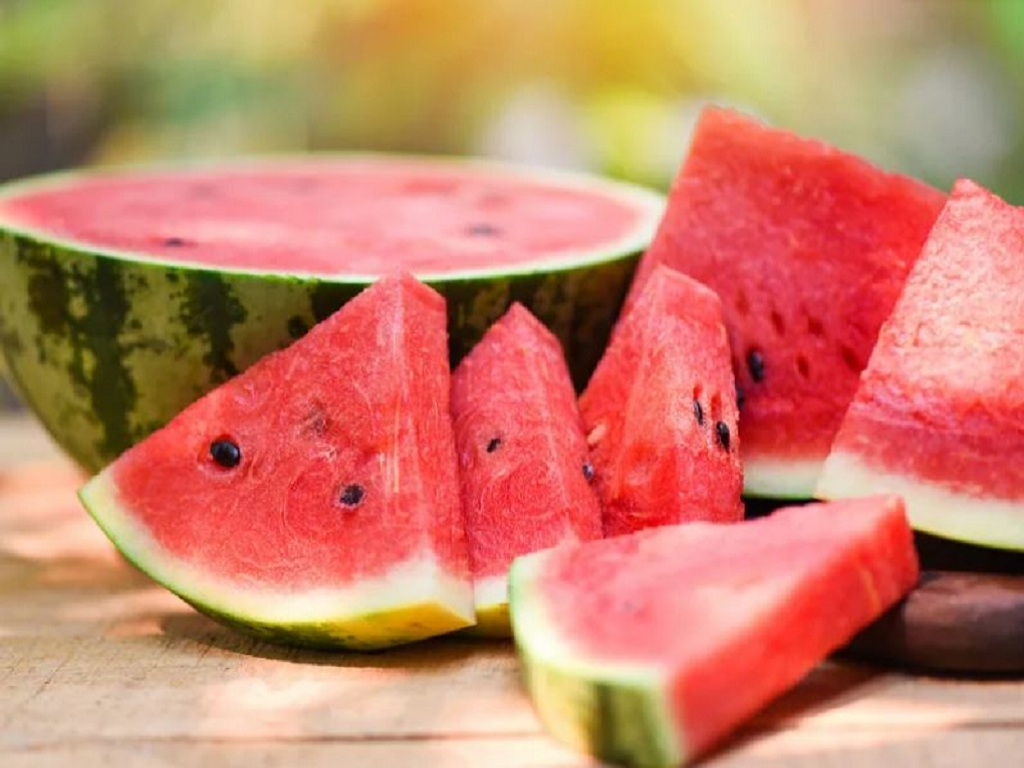
Final Thoughts
Watermelon is a delicious, refreshing, and nutrient-rich fruit that can be part of a healthy diet for most people. Its high water content, vitamins, antioxidants, and naturally sweet flavor make it an excellent choice for hydration and overall wellness.
However, people with diabetes, advanced kidney disease, fluid restrictions, sensitive digestive systems, or rare fruit allergies may need to pay closer attention to portion sizes or seek individualized advice. In most cases, moderation - not complete avoidance is the key.
Healthy eating isn't about labeling foods as "good" or "bad." It's about understanding how different foods fit your unique health needs. By enjoying watermelon in appropriate portions and maintaining a varied diet rich in fruits and vegetables, you can continue to enjoy its many benefits while supporting your overall health.