
What Happens to Your Body When You Drink Water After Waking Up?
Morning Hydration Matters - Here's Why Drinking Water After Waking Up Can Help
Health 27/06/2026 10:37
Most people focus on getting enough hours of sleep but rarely think about how they sleep. While the quality and duration of sleep are essential, your sleeping position may also influence how your body feels when you wake up. From neck pain and back discomfort to snoring and acid reflux, the position you sleep in can make a noticeable difference.
There is no single sleeping position that is perfect for everyone. The best position depends on your individual health, comfort, and any existing medical conditions. However, understanding the advantages and disadvantages of each sleeping posture can help you make choices that support better sleep and overall well-being.
Let's explore how your sleeping position may affect your body and discover simple ways to improve your nightly rest.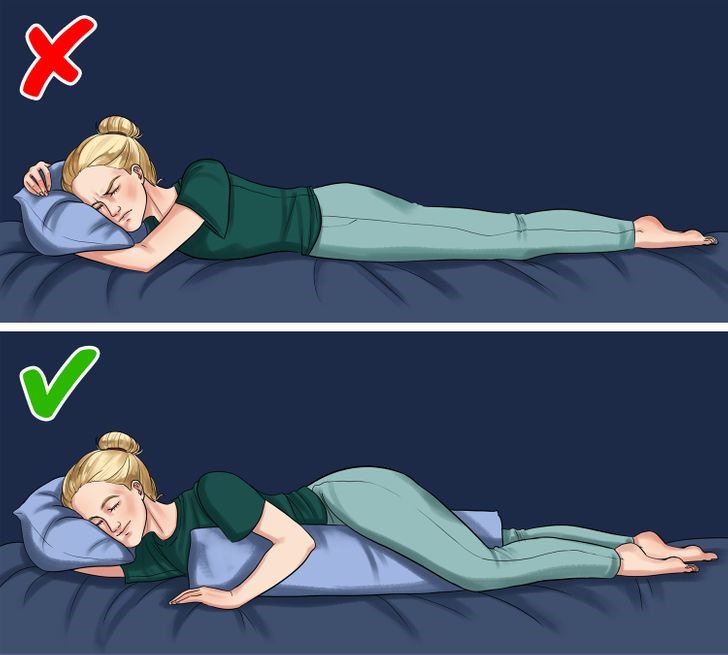
During sleep, your body spends several hours in the same general posture.
This position may influence:
Spine alignment
Muscle relaxation
Joint pressure
Breathing
Blood circulation
Digestion
Sleep quality
A supportive sleeping position can help reduce strain on your muscles and joints, while an uncomfortable position may contribute to morning aches and interrupted sleep.
Sleeping on your side is one of the most common sleeping positions worldwide.
For many people, it offers several advantages.
Side sleeping may help:
Keep the spine in a more neutral position
Reduce snoring
Improve comfort during pregnancy
Reduce nighttime acid reflux in some people
Support people with mild obstructive sleep apnea
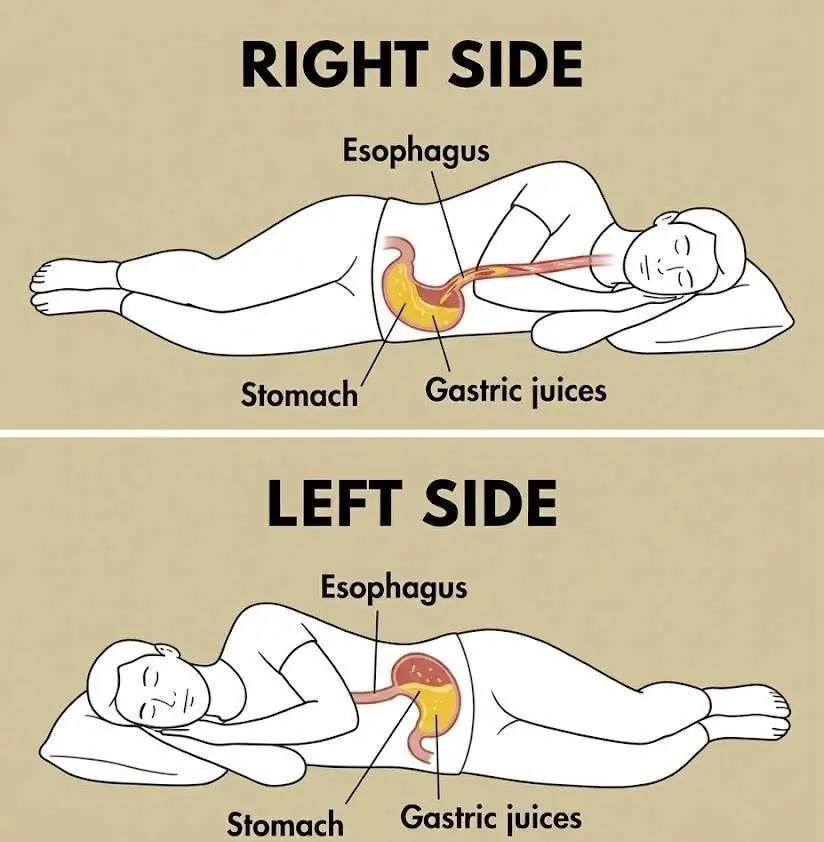
Some research suggests that sleeping on the left side may reduce symptoms of gastroesophageal reflux disease (GERD) by helping keep stomach contents below the esophagus.
Side sleeping may also:
Place pressure on one shoulder
Cause hip discomfort
Lead to facial compression on one side
Using a supportive pillow between the knees may help reduce pressure on the hips and lower back.
Sleeping on your back allows your head, neck, and spine to remain relatively aligned when supported by an appropriate pillow.
Back sleeping may:
Reduce pressure on joints
Help distribute body weight evenly
Minimize facial contact with the pillow
Support spinal alignment
However, back sleeping is not ideal for everyone.
It may increase:
Snoring
Airway obstruction
Symptoms of obstructive sleep apnea
For people with untreated sleep apnea, sleeping on the back may worsen nighttime breathing interruptions.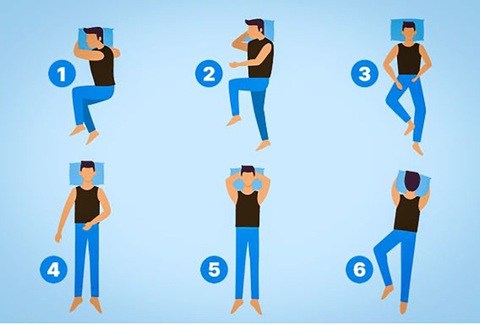
Sleeping on the stomach is less common.
Some people naturally find it comfortable, but it may place additional stress on the body.
Stomach sleeping may:
Increase neck strain because the head remains turned to one side
Flatten the natural curve of the spine
Increase pressure on muscles and joints
These factors may contribute to morning stiffness or neck discomfort in some individuals.
If stomach sleeping is your preferred position, using a thin pillow—or no pillow under your head—may reduce strain on the neck.
Many people with back pain wonder whether changing sleeping positions might help.
Although no single position works for everyone, maintaining proper spinal alignment is often beneficial.
For side sleepers:
Place a pillow between your knees.
For back sleepers:
Place a pillow beneath your knees.
These simple adjustments may reduce stress on the lower back.
Neck pain is often related to pillow height as much as sleeping position.
Your pillow should support your neck without forcing it into an unnatural angle.
A pillow that is too high or too low may contribute to stiffness.
Snoring often occurs when the airway becomes partially blocked during sleep.
For some individuals:
Side sleeping may reduce snoring.
Back sleeping may increase it.
Persistent loud snoring, especially when accompanied by pauses in breathing, should be discussed with a healthcare professional because it may indicate obstructive sleep apnea.
People with acid reflux often notice that body position affects symptoms.
Some studies suggest that:
Sleeping on the left side may reduce nighttime reflux.
Sleeping flat on the back may allow stomach acid to move more easily into the esophagus.
Elevating the head of the bed slightly may also help some people reduce nighttime symptoms.
Healthcare providers often recommend side sleeping during pregnancy, particularly during the second and third trimesters.
Many pregnant women find that sleeping on the left side is more comfortable because it may improve comfort and reduce pressure on major blood vessels.
A pregnancy pillow or pillows placed between the knees and under the abdomen can provide additional support.
In recent years, researchers have explored whether sleeping position influences the brain's natural waste-clearing system, known as the glymphatic system.
Most of this research has been conducted in animals, and scientists are still learning how these findings apply to humans.
At present, there is not enough evidence to recommend a specific sleeping position solely for improving brain health.
The most important factor remains getting sufficient, high-quality sleep.
Small adjustments can make a significant difference.
A supportive pillow helps keep your neck aligned with your spine.
Replace pillows that have become flat or misshapen.
A mattress that provides appropriate support for your body can improve comfort and reduce pressure points.
Try to avoid twisting your neck or lower back into awkward positions.
Supportive pillows can help maintain alignment.
Most people naturally change positions several times during the night.
This is completely normal and helps reduce prolonged pressure on one area of the body.
Your sleeping position is only one part of healthy sleep.
Other important habits include:
Sleeping 7–9 hours each night
Going to bed and waking up at consistent times
Limiting screen use before bedtime
Reducing caffeine late in the day
Keeping your bedroom cool, quiet, and dark
Exercising regularly
These habits often have a greater impact on sleep quality than sleeping position alone.
There is no universal "best" sleeping position.
Comfort, medical conditions, and personal preference all play important roles.
Back sleeping can be comfortable and beneficial for many people, although it may not be ideal for individuals with sleep apnea or significant snoring.
Sleep quality depends on many factors, including stress, sleep habits, medical conditions, and the sleep environment.
Position alone cannot solve every issue.
Consider speaking with a healthcare professional if you experience:
Persistent neck or back pain upon waking
Loud snoring
Pauses in breathing during sleep
Frequent nighttime awakenings
Chronic daytime fatigue
Symptoms of acid reflux that interfere with sleep
These problems may indicate an underlying condition that requires evaluation.
Most people rarely think about their sleeping position, yet it can influence comfort, spinal alignment, breathing, and sleep quality. Side sleeping may help reduce snoring and nighttime acid reflux for some individuals, back sleeping can support spinal alignment when properly supported, and stomach sleeping may increase strain on the neck and back.
Rather than searching for a single "perfect" sleeping position, focus on finding one that allows you to wake up feeling comfortable, rested, and free of pain. Pairing a supportive sleep posture with healthy sleep habits, a comfortable mattress, and an appropriate pillow can go a long way toward improving your overall well-being.
Remember, the goal isn't just to sleep longer - it's to sleep better. Small adjustments to your sleep environment and posture may help you enjoy more refreshing nights and healthier days.
Morning Hydration Matters - Here's Why Drinking Water After Waking Up Can Help

Think Twice Before Eating These 5 Overnight Leftovers Without Proper Storage

Are Eggs Really Bad for Cholesterol? Scientists Are Taking a Fresh Look

Can Everyone Eat Watermelon? Here Are 5 Situations Where Moderation Matters

Pan.creatic Can.cer often whispers before it screams

Okra is nutritious, but some people should eat it with extra caution.

Experts say daily habits matter more than one drink alone for kidney health.
A simple finger comparison may reveal surprising personality traits.
Some stored foods may pose hidden risks before or after fasting periods.
Persistent bad breath may signal hidden oral problems that need treatment.

Cresce em todo lugar, mas a maioria das pessoas não faz ideia de que essa planta é um verdadeiro tesouro... L

Never step on this weed; it's considered a 'gold mine' in the garden ... 💬👀👇
This Unusual Lump May Be Linked to a Common Daily Habit Many People Overlook

Did you know that waking up at 3 or 4 in the morning is a clear sign of

Could Your Toilet Paper Affect Your Health? The Truth About Harmful Chemicals
The Early Signs of Pan.creatic Can.cer Everyone Should Know

No matter how hungry you are, don't touch these 5 breakfast foods.

Some vegetables are safe only when properly prepared before cooking.
Morning Hydration Matters - Here's Why Drinking Water After Waking Up Can Help
Think Twice Before Eating These 5 Overnight Leftovers Without Proper Storage
Are Eggs Really Bad for Cholesterol? Scientists Are Taking a Fresh Look
Can Everyone Eat Watermelon? Here Are 5 Situations Where Moderation Matters
Pan.creatic Can.cer often whispers before it screams
Okra is nutritious, but some people should eat it with extra caution.
Experts say daily habits matter more than one drink alone for kidney health.
A simple finger comparison may reveal surprising personality traits.
Some stored foods may pose hidden risks before or after fasting periods.
Persistent bad breath may signal hidden oral problems that need treatment.
Cresce em todo lugar, mas a maioria das pessoas não faz ideia de que essa planta é um verdadeiro tesouro... L
Never step on this weed; it's considered a 'gold mine' in the garden ... 💬👀👇
This Unusual Lump May Be Linked to a Common Daily Habit Many People Overlook
Did you know that waking up at 3 or 4 in the morning is a clear sign of
Could Your Toilet Paper Affect Your Health? The Truth About Harmful Chemicals
The Early Signs of Pan.creatic Can.cer Everyone Should Know
No matter how hungry you are, don't touch these 5 breakfast foods.
Some vegetables are safe only when properly prepared before cooking.