Your kidneys work around the clock to keep your body healthy. Every day, these two bean-shaped organs filter approximately 180 liters (about 50 gallons) of blood, removing waste products, balancing fluids and minerals, regulating blood pressure, supporting red blood cell production, and maintaining overall health.
Despite their vital role, kidney disease often develops silently. Many people don't experience noticeable symptoms until kidney function has already declined significantly. According to health organizations worldwide, millions of people are living with chronic kidney disease (CKD), and many don't even know they have it.
While kidney disease can affect anyone, certain groups have a much higher risk than others. Understanding these risk factors can help you recognize when regular screening and healthy lifestyle choices are especially important.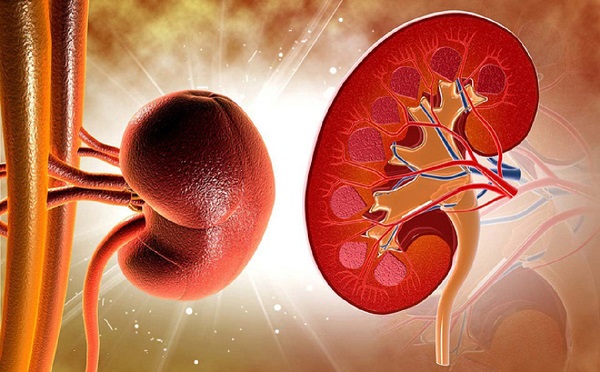
What Is Chronic Kidney Disease?
Chronic kidney disease (CKD) occurs when the kidneys gradually lose their ability to filter blood effectively over several months or years.
As kidney function declines, waste products and excess fluid can build up in the body.
Early stages often cause few or no symptoms, making routine screening essential for people at higher risk.
Why Early Detection Matters
Detecting kidney disease early can help:
-
Slow disease progression
-
Reduce complications
-
Protect heart health
-
Improve quality of life
-
Delay or prevent kidney failure
Simple blood and urine tests can often detect kidney problems long before symptoms appear.
1. People With Diabetes
Diabetes is the leading cause of chronic kidney disease worldwide.
Persistently high blood sugar can damage the tiny blood vessels responsible for filtering waste inside the kidneys.
Over time, this damage may reduce kidney function.
Ways to Lower Risk
People with diabetes can help protect their kidneys by:
-
Monitoring blood sugar regularly
-
Following their treatment plan
-
Eating a balanced diet
-
Staying physically active
-
Attending regular kidney function tests
Good diabetes management significantly reduces the risk of diabetic kidney disease.
2. People With High Blood Pressure
High blood pressure is another major cause of kidney disease.
Elevated blood pressure places extra stress on the delicate blood vessels inside the kidneys.
At the same time, kidney disease can also make high blood pressure worse, creating a harmful cycle.
Keeping blood pressure within recommended ranges is one of the most effective ways to protect kidney health.
3. People With a Family History of Kidney Disease
Some kidney conditions have a genetic component.
You may have a higher risk if:
-
A parent has chronic kidney disease
-
A sibling has kidney failure
-
Close relatives have inherited kidney disorders such as polycystic kidney disease
A family history does not mean you will definitely develop kidney disease, but it may justify earlier or more frequent screening.
4. People With Heart Disease
The heart and kidneys work closely together.
Problems affecting one organ often influence the other.
People with:
-
Heart failure
-
Coronary artery disease
-
Previous heart attacks
may have an increased risk of kidney disease because reduced blood flow can affect kidney function.
Likewise, chronic kidney disease increases the risk of cardiovascular disease.
5. People Who Smoke
Smoking harms blood vessels throughout the body.
This may:
-
Reduce blood flow to the kidneys
-
Increase blood pressure
-
Accelerate kidney damage
-
Worsen existing kidney disease
Quitting smoking benefits not only the kidneys but also the heart, lungs, and blood vessels.
6. People Living With Obesity
Obesity increases the likelihood of several conditions that affect kidney health.
These include:
-
Type 2 diabetes
-
High blood pressure
-
Cardiovascular disease
Excess body weight may also place additional strain on the kidneys.
Even modest weight loss can improve several kidney-related risk factors.
7. Older Adults
Kidney function naturally changes with age.
Although aging itself does not automatically cause kidney disease, older adults are more likely to develop:
-
Diabetes
-
High blood pressure
-
Heart disease
These conditions increase the overall risk of chronic kidney disease.
Regular medical checkups become increasingly important with age.
Other Factors That May Increase Kidney Disease Risk
Additional risk factors include:
-
Frequent use of certain pain relievers (NSAIDs) over long periods
-
Autoimmune diseases
-
Recurrent kidney infections
-
Kidney stones
-
Certain inherited disorders
-
Exposure to some toxins
-
Severe episodes of acute kidney injury
Not everyone with these conditions develops kidney disease, but medical monitoring may be recommended.
Early Signs of Kidney Disease
Kidney disease often develops quietly.
As it progresses, symptoms may include:
-
Swelling of the ankles, feet, or hands
-
Fatigue
-
Foamy urine
-
Blood in the urine
-
Frequent nighttime urination
-
Loss of appetite
-
Muscle cramps
-
Dry, itchy skin
-
Difficulty concentrating
These symptoms are not specific to kidney disease and can occur with many other medical conditions.
How Is Kidney Disease Diagnosed?
Doctors commonly evaluate kidney function using:
Blood Tests
A blood test measures creatinine and estimates the glomerular filtration rate (eGFR), which reflects how well the kidneys are filtering blood.
Urine Tests
A urine test checks for:
-
Protein (albumin)
-
Blood
-
Other abnormalities
These tests are simple, widely available, and often included in routine health evaluations for high-risk individuals.
Healthy Habits That Protect Your Kidneys
Although not every case of kidney disease can be prevented, healthy lifestyle habits can reduce your risk.
Control Blood Pressure
Managing blood pressure is one of the most important ways to protect kidney function.
Keep Blood Sugar Under Control
For people with diabetes, maintaining healthy blood sugar levels reduces damage to kidney blood vessels.
Stay Hydrated
Adequate hydration supports normal kidney function.
Fluid needs vary depending on age, activity level, climate, and medical conditions.
Eat a Balanced Diet
Choose foods rich in:
-
Fruits
-
Vegetables
-
Whole grains
-
Lean proteins
-
Healthy fats
Limit:
-
Excess sodium
-
Highly processed foods
-
Sugary drinks
Stay Physically Active
Regular exercise supports:
-
Healthy blood pressure
-
Weight management
-
Blood sugar control
-
Cardiovascular health
Avoid Smoking
Stopping smoking benefits nearly every organ, including the kidneys.
Common Myths About Kidney Disease
Myth 1: Kidney Disease Always Causes Pain
False.
Most chronic kidney disease develops without pain during its early stages.
Myth 2: Only Older Adults Get Kidney Disease
False.
People of all ages—including children and young adults—can develop kidney disease.
Myth 3: If You Feel Fine, Your Kidneys Must Be Healthy
Not necessarily.
Many people with early chronic kidney disease have no symptoms at all.
That's why screening is so valuable for people at increased risk.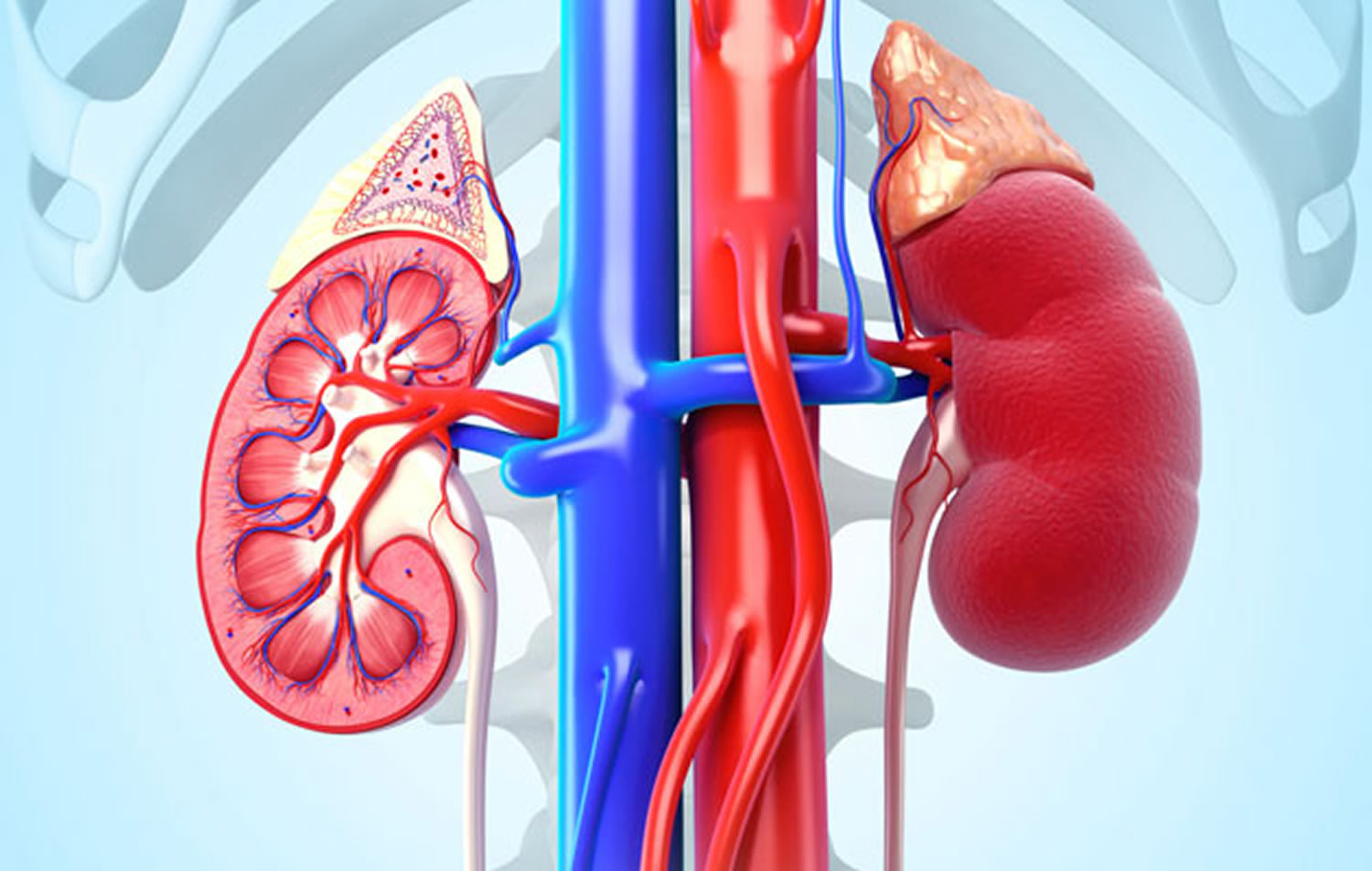
When Should You Talk to Your Doctor?
Consider discussing kidney screening if you have:
-
Diabetes
-
High blood pressure
-
Heart disease
-
Obesity
-
A family history of kidney disease
-
Persistent swelling
-
Blood in your urine
-
Foamy urine
-
Changes in urination
Early testing can identify kidney problems before they become severe.
Final Thoughts
Kidney disease does not affect everyone equally. People living with diabetes, high blood pressure, a family history of kidney disease, heart disease, obesity, or those who smoke or are older face a higher risk of developing chronic kidney disease. Fortunately, knowing your risk factors allows you to take proactive steps to protect your kidney health.
Regular health screenings, controlling blood pressure and blood sugar, maintaining a healthy weight, avoiding smoking, staying physically active, and following a balanced diet are among the most effective ways to support healthy kidneys throughout life.
Because chronic kidney disease often develops without obvious symptoms, prevention and early detection remain the best tools for preserving kidney function. If you belong to one of these higher-risk groups, talk with your healthcare provider about whether kidney function testing is appropriate for you. Early action today can make a meaningful difference for your long-term health.