When most people think of stroke, they often picture an older adult. However, strokes can occur at any age, including in teenagers, young adults, and people in their 20s, 30s, and 40s. Although stroke remains more common in older individuals, recent research has shown that the number of strokes among younger adults has increased in many parts of the world.
One reason stroke can be especially dangerous in younger people is that its symptoms are sometimes overlooked or mistaken for migraines, stress, fatigue, or other less serious conditions. Every minute counts during a stroke. Rapid recognition and immediate medical treatment can greatly improve the chances of recovery and reduce the risk of permanent disability.
Learning the warning signs could one day save your life - or someone else's.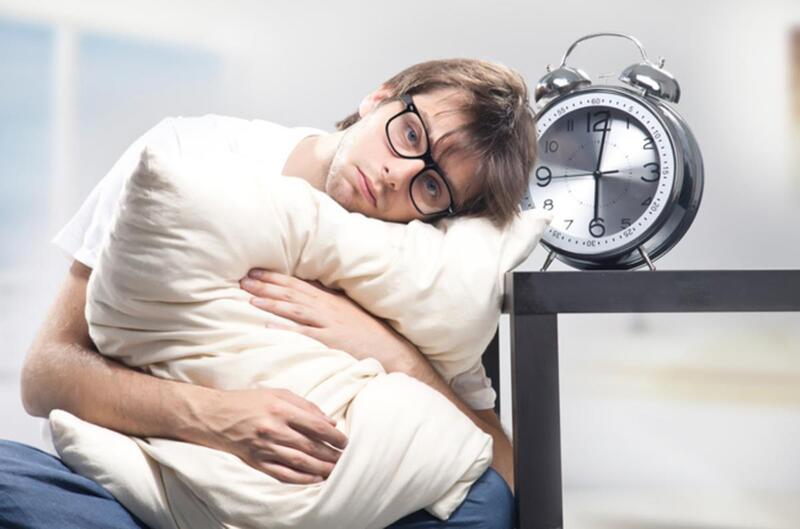
What Is a Stroke?
A stroke occurs when blood flow to part of the brain is interrupted or when a blood vessel in the brain ruptures.
Without enough oxygen and nutrients, brain cells begin to die within minutes.
There are two main types of stroke:
-
Ischemic stroke – caused by a blockage in a blood vessel supplying the brain (the most common type).
-
Hemorrhagic stroke – caused by bleeding in or around the brain.
A transient ischemic attack (TIA), sometimes called a "mini-stroke," causes temporary symptoms but is still a medical emergency because it can be an early warning sign of a future stroke.
Can Young People Really Have a Stroke?
Yes.
Although strokes are less common in younger adults than in older adults, several factors may increase the risk, including:
-
High blood pressure
-
Smoking
-
Diabetes
-
High cholesterol
-
Obesity
-
Heart conditions
-
Blood clotting disorders
-
Migraine with aura (in some individuals)
-
Pregnancy and the postpartum period
-
Certain recreational drugs, such as cocaine or amphetamines
Many younger people who experience a stroke have at least one underlying risk factor.
1. Sudden Weakness or Numbness on One Side of the Body
One of the most recognizable stroke symptoms is sudden weakness or numbness affecting:
-
The face
-
One arm
-
One leg
Symptoms usually occur on one side of the body.
A person may suddenly have difficulty lifting one arm or keeping it raised.
2. Facial Drooping
The face may suddenly become uneven.
You might notice:
-
One side of the mouth drooping
-
Difficulty smiling evenly
-
Numbness on one side of the face
This is one of the key signs included in the FAST stroke recognition tool.
3. Difficulty Speaking or Understanding Speech
A stroke can affect the parts of the brain responsible for language.
Possible symptoms include:
-
Slurred speech
-
Difficulty finding words
-
Confusion
-
Trouble understanding what others are saying
Even if symptoms improve after a few minutes, emergency evaluation is still necessary.
4. Sudden Vision Changes
Stroke may affect one or both eyes.
Possible symptoms include:
-
Blurred vision
-
Double vision
-
Partial vision loss
-
Sudden blindness in one eye
Any sudden change in vision requires urgent medical assessment.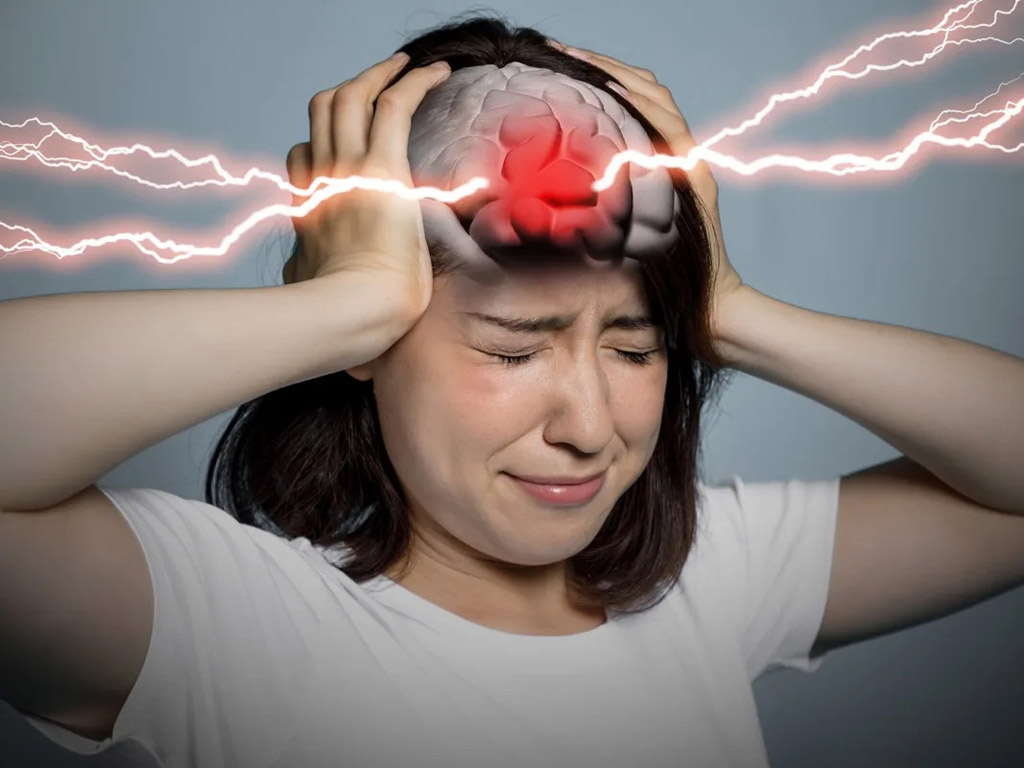
5. Severe, Sudden Headache
A sudden, intense headache unlike previous headaches may occur, particularly with hemorrhagic stroke.
This headache may be accompanied by:
-
Nausea
-
Vomiting
-
Neck stiffness
-
Loss of consciousness
A sudden "worst headache of your life" should always be treated as a medical emergency.
6. Dizziness or Loss of Balance
Stroke can affect the parts of the brain responsible for coordination.
Possible symptoms include:
-
Difficulty walking
-
Loss of balance
-
Sudden dizziness
-
Poor coordination
These symptoms are especially concerning when they occur suddenly and are accompanied by other neurological symptoms.
7. Sudden Confusion
Some people experiencing a stroke may suddenly become confused.
They may:
-
Have trouble following simple instructions
-
Seem disoriented
-
Have difficulty concentrating
-
Struggle to answer basic questions
Sudden confusion should never be ignored.
8. Difficulty Walking or Coordinating Movements
Stroke may affect muscle control.
Someone may suddenly:
-
Stumble without explanation
-
Drag one foot
-
Lose coordination
-
Have difficulty standing
Even brief episodes require immediate medical attention.
Remember the FAST Warning Signs
A simple way to recognize a possible stroke is the FAST acronym:
F – Face: Ask the person to smile. Does one side droop?
A – Arms: Ask them to raise both arms. Does one drift downward?
S – Speech: Is speech slurred or difficult to understand?
T – Time: If you notice any of these signs, call emergency medical services immediately.
Do not wait to see if symptoms improve.
Why Immediate Treatment Matters
Brain cells begin dying within minutes after blood flow is interrupted.
Early treatment can:
-
Restore blood flow
-
Reduce brain damage
-
Improve recovery
-
Lower the risk of permanent disability
For some ischemic strokes, clot-dissolving medication or procedures to remove the clot are only effective within specific time windows.
That is why acting quickly is so important.
Stroke Risk Factors You Can Control
Many stroke risk factors are preventable or manageable.
Healthy habits include:
Control Blood Pressure
High blood pressure is the leading modifiable risk factor for stroke.
Regular monitoring and treatment can greatly reduce risk.
Don't Smoke
Smoking damages blood vessels and increases the risk of blood clots.
Quitting smoking benefits both the brain and the heart.
Stay Physically Active
Regular exercise supports healthy blood pressure, weight, and circulation.
Aim for at least 150 minutes of moderate physical activity each week, unless otherwise advised by your healthcare provider.
Eat a Heart-Healthy Diet
Focus on:
-
Fruits
-
Vegetables
-
Whole grains
-
Lean proteins
-
Fish
-
Nuts
-
Healthy fats
Limit:
-
Excess salt
-
Sugary drinks
-
Highly processed foods
-
Saturated fats
Manage Diabetes
Keeping blood sugar within recommended ranges helps reduce damage to blood vessels.
Maintain a Healthy Weight
A healthy body weight supports lower blood pressure and better cardiovascular health.
Common Myths About Stroke
Myth 1: Stroke Only Happens to Older Adults
False.
Although age increases stroke risk, younger adults and even children can experience strokes.
Myth 2: Stroke Symptoms Always Cause Pain
False.
Many strokes occur without pain.
Sudden weakness, numbness, or speech problems are often painless.
Myth 3: Symptoms That Go Away Can Be Ignored
False.
Temporary symptoms may indicate a transient ischemic attack (TIA), which significantly increases the risk of a future stroke.
Medical evaluation is essential.
When Should You Seek Emergency Care?
Call emergency medical services immediately if you or someone else experiences:
-
Sudden facial drooping
-
Weakness in one arm or leg
-
Difficulty speaking
-
Sudden confusion
-
Loss of vision
-
Severe unexplained headache
-
Loss of balance
-
Difficulty walking
Do not attempt to drive yourself to the hospital if emergency medical services are available.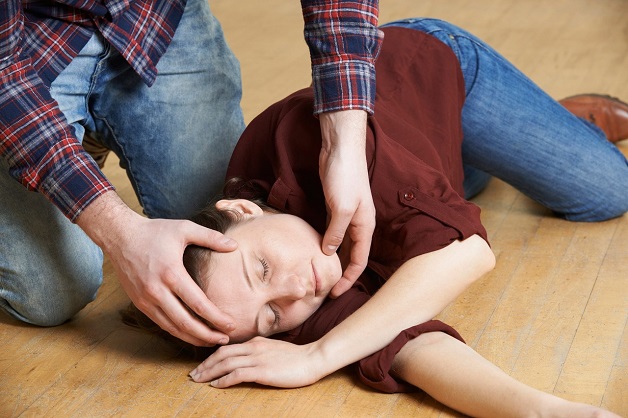
Final Thoughts
Stroke is often thought of as a disease of older adults, but it can affect younger people as well. Recognizing the warning signs - such as sudden weakness, facial drooping, difficulty speaking, vision changes, severe headache, dizziness, confusion, and problems with balance - can make the difference between recovery and permanent disability.
It's important to remember that these symptoms do not always mean a stroke, but they should always be treated as a medical emergency until proven otherwise. Rapid diagnosis and treatment are critical because every minute counts when brain tissue is deprived of oxygen.
By learning the FAST warning signs, managing risk factors like high blood pressure and diabetes, avoiding smoking, staying physically active, and maintaining a healthy lifestyle, you can reduce your risk and be better prepared to respond if a stroke occurs. Awareness saves lives and acting quickly may save both brain function and independence.