Papaya is a vibrant tropical fruit enjoyed around the world for its naturally sweet flavor, soft texture, and impressive nutritional profile. Often called the "fruit of the angels," papaya is packed with vitamins, minerals, fiber, antioxidants, and naturally occurring enzymes that support many aspects of health.
While papaya has long been used in traditional diets and natural remedies, modern research has also explored its potential health benefits. Although no single food can prevent disease or transform your health overnight, regularly including papaya as part of a balanced diet may contribute to better digestion, a stronger immune system, healthier skin, and overall wellness.
Let's take a closer look at why papaya deserves a place on your plate.
What Makes Papaya So Nutritious?
Papaya is low in calories but rich in essential nutrients.
A typical serving provides:
-
Vitamin C
-
Vitamin A (from beta-carotene)
-
Folate
-
Potassium
-
Magnesium
-
Fiber
-
Antioxidants
-
Water
Papaya also contains a natural digestive enzyme called papain, which has attracted scientific interest for its ability to help break down proteins.
1. May Support Healthy Digestion
One of papaya's best-known benefits is its potential to support digestion.
Papaya contains:
-
Dietary fiber
-
Water
-
Papain enzyme
Together, these components may help:
-
Support regular bowel movements
-
Promote healthy digestion
-
Improve stool consistency
-
Reduce occasional constipation in some people
Papain helps break down proteins during digestion, although the amount of active enzyme available from ripe papaya may vary.
It's important to remember that a healthy digestive system also depends on drinking enough water, eating a variety of fiber-rich foods, and staying physically active.
2. Rich in Vitamin C for Immune Health
Papaya is an excellent source of vitamin C.
Vitamin C contributes to:
-
Normal immune function
-
Collagen production
-
Wound healing
-
Protection against oxidative stress
In fact, one serving of papaya can provide more than the daily vitamin C requirement for many adults.
However, maintaining a healthy immune system also requires:
-
Adequate sleep
-
Regular exercise
-
Balanced nutrition
-
Vaccinations when appropriate
No single food can prevent infections on its own.
3. Supports Eye Health
Papaya contains several nutrients important for healthy vision, including:
-
Beta-carotene
-
Lutein
-
Zeaxanthin
The body converts beta-carotene into vitamin A, which supports:
-
Normal vision
-
Eye surface health
-
Immune function
Lutein and zeaxanthin accumulate in the retina and may help protect the eyes from damage caused by blue light and oxidative stress.
4. May Benefit Heart Health
A heart-healthy diet includes plenty of fruits and vegetables, and papaya fits well into that pattern.
Papaya provides:
-
Potassium
-
Fiber
-
Antioxidants
Potassium helps maintain healthy blood pressure by balancing the effects of sodium.
Meanwhile, fiber and antioxidant-rich foods are associated with better cardiovascular health when consumed as part of an overall balanced diet.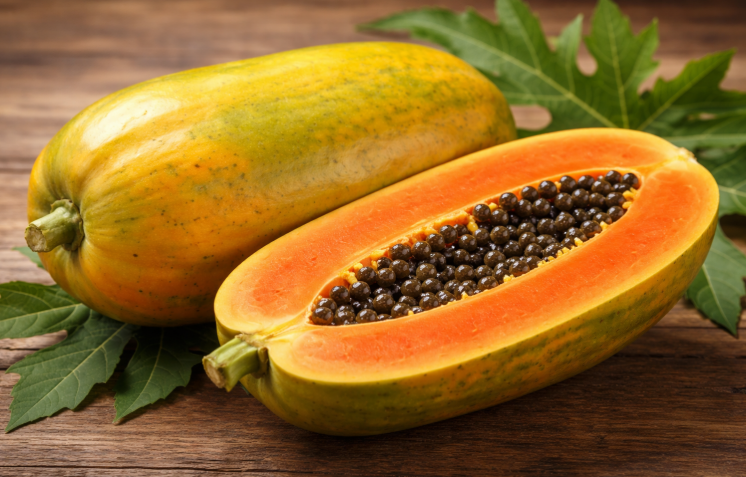
5. Contains Powerful Antioxidants
Papaya is naturally rich in antioxidants such as:
-
Vitamin C
-
Lycopene
-
Beta-carotene
-
Flavonoids
Antioxidants help protect cells from oxidative stress caused by unstable molecules known as free radicals.
Oxidative stress has been linked to aging and many chronic diseases, although no single antioxidant-rich food can eliminate this risk entirely.
6. May Support Healthy Skin
Healthy skin depends on many factors, including nutrition.
Papaya supplies nutrients involved in skin health, including:
-
Vitamin C
-
Vitamin A
-
Water
-
Antioxidants
Vitamin C is essential for collagen production, which helps maintain the skin's structure.
A nutritious diet, sun protection, hydration, and good skincare habits all work together to support healthy skin.
7. Helps You Stay Hydrated
Papaya is made up of approximately 88% water, making it a refreshing fruit that contributes to daily fluid intake.
Proper hydration supports:
-
Body temperature regulation
-
Digestion
-
Kidney function
-
Circulation
-
Physical performance
Although water should remain your primary source of hydration, water-rich fruits like papaya can also contribute.
8. A Fiber-Rich Choice for Gut Health
Dietary fiber supports digestive health by:
-
Feeding beneficial gut bacteria
-
Promoting regular bowel movements
-
Helping maintain healthy cholesterol levels
-
Increasing feelings of fullness
Most adults consume less fiber than recommended.
Adding fruits like papaya is one easy way to increase fiber intake.
9. Naturally Sweet With No Added Sugar
Papaya satisfies sweet cravings while providing vitamins, minerals, and fiber.
Compared with many processed desserts, papaya contains:
-
No added sugar
-
Very little fat
-
Relatively few calories
This makes it an excellent option for many people seeking healthier snack choices.
Can People With Diabetes Eat Papaya?
Yes—many people with diabetes can enjoy papaya.
Because papaya contains natural sugars, portion size still matters.
For most individuals, moderate servings can fit into a healthy eating plan.
People with diabetes should:
-
Monitor portion sizes.
-
Pair fruit with protein or healthy fats if recommended.
-
Follow individualized advice from their healthcare provider or dietitian.
Is Papaya Good for Weight Management?
Papaya alone will not cause weight loss.
However, it may support weight management because it is:
-
Low in calories
-
High in water
-
Rich in fiber
These qualities may help increase feelings of fullness as part of a balanced diet.
Long-term weight management depends on overall eating habits and physical activity rather than any single food.
How to Choose a Good Papaya
Look for papayas that are:
-
Mostly yellow or orange
-
Slightly soft when gently pressed
-
Free from large bruises or mold
Green papayas are less sweet and are commonly used in savory dishes.
Fully ripe papayas are ideal for eating fresh.
Delicious Ways to Enjoy Papaya
Papaya is incredibly versatile.
Try it:
-
Fresh on its own
-
Added to fruit salads
-
Blended into smoothies
-
Mixed with yogurt
-
Served with cottage cheese
-
Added to tropical salsas
-
Frozen into healthy desserts
Its mild sweetness pairs well with both sweet and savory dishes.
Common Myths About Papaya
Myth 1: Papaya Can Cure Disease
No fruit can cure diabetes, cancer, or heart disease.
Papaya is nutritious, but it should be viewed as part of an overall healthy lifestyle—not a medical treatment.
Myth 2: Eating More Papaya Means Better Health
More is not always better.
Eating excessive amounts of any single food may reduce dietary variety.
A balanced diet remains the healthiest approach.
Myth 3: Papaya Is Only Good for Digestion
Although papaya is well known for supporting digestive health, it also provides nutrients that contribute to immune function, eye health, heart health, and skin health.
Who Should Be Careful?
Most people can enjoy papaya safely.
However, some individuals should exercise caution.
Latex Allergy
People with latex allergy may experience cross-reactions to papaya because of similar proteins.
Unripe Papaya
Large amounts of unripe papaya contain higher levels of latex-like compounds. Pregnant women are generally advised to avoid consuming large amounts of unripe papaya due to concerns raised in animal studies, although evidence in humans is limited. Fully ripe papaya is generally considered safe as part of a normal diet.
If you have food allergies or medical concerns, consult your healthcare provider.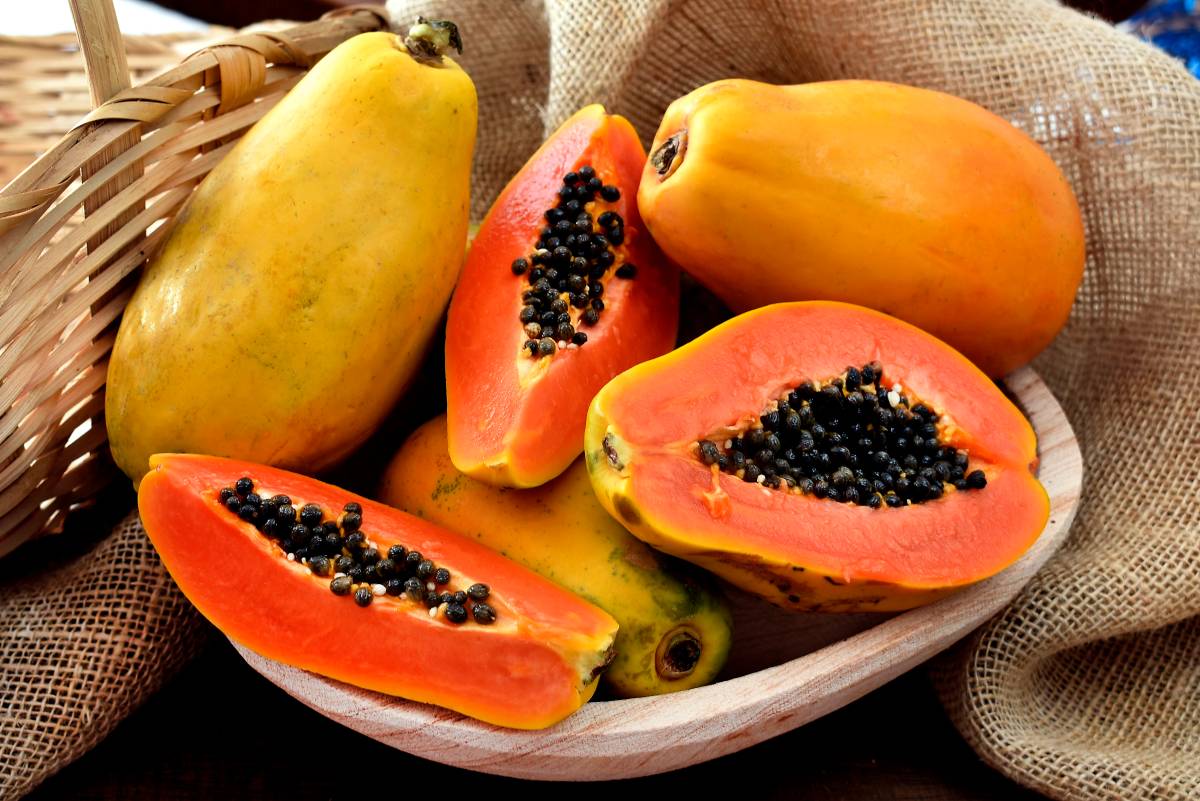
Final Thoughts
Papaya is a delicious, nutrient-rich fruit that can make a valuable addition to a balanced diet. Rich in vitamin C, vitamin A, fiber, antioxidants, water, and the natural enzyme papain, it may support healthy digestion, immune function, eye health, heart health, and overall wellness when enjoyed regularly.
At the same time, it's important to keep expectations realistic. Papaya is not a miracle food, and eating it alone won't prevent illness or dramatically transform your health. The greatest benefits come from incorporating papaya into a varied diet filled with fruits, vegetables, whole grains, lean proteins, and healthy fats, alongside regular exercise, adequate sleep, and routine medical care.
Enjoyed in moderation, papaya is a flavorful and nutritious way to support your health—one delicious bite at a time.