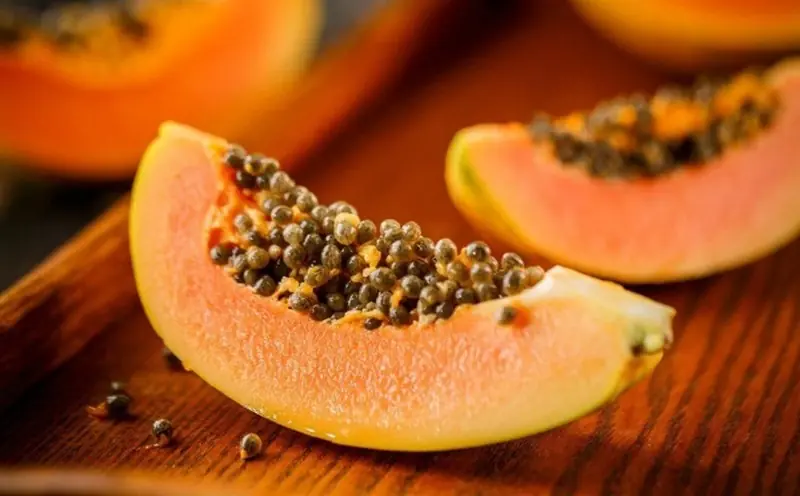
How Eating Papaya May Support Digestion, Immunity, and Overall Wellness
Doctors Explain What Happens to Your Body When You Eat Papaya Regularly
Health 27/06/2026 17:03
Your kidneys are among the hardest-working organs in your body. Every single day, they filter approximately 50 gallons (about 180 liters) of blood, removing waste products, balancing fluids, regulating electrolytes, helping control blood pressure, producing hormones that support red blood cell production, and keeping your body's internal environment stable.
Despite their incredible workload, kidney disease often develops silently. In its early stages, there may be few or no noticeable symptoms. By the time symptoms appear, significant kidney damage may already have occurred.
The good news is that many cases of chronic kidney disease are linked to modifiable lifestyle factors. While not every kidney problem can be prevented, adopting healthy daily habits can help reduce your risk and support long-term kidney health.
Let's look at some of the most common mistakes that may place unnecessary stress on your kidneys and what you can do instead.
Healthy kidneys help:
Filter waste from the blood
Remove excess fluid
Balance minerals such as sodium and potassium
Regulate blood pressure
Support healthy bones
Produce hormones involved in red blood cell production
When kidney function declines, waste products and excess fluid may build up in the body.
One of the simplest ways to support kidney health is staying adequately hydrated.
Water helps the kidneys:
Remove waste products
Produce urine
Prevent highly concentrated urine
Reduce the risk of certain kidney stones
Dark yellow urine
Feeling thirsty
Dry mouth
Headaches
Fatigue
However, more water is not always better. People with certain medical conditions, such as advanced kidney disease or heart failure, may require individualized fluid recommendations.
For most healthy adults, drinking enough water to keep urine pale yellow is a practical goal.
Modern diets often contain much more sodium than the body needs.
Too much salt may contribute to:
High blood pressure
Fluid retention
Increased workload on the kidneys
Common sources of excess sodium include:
Processed foods
Instant noodles
Packaged snacks
Fast food
Processed meats
Canned soups
Choosing fresh foods and seasoning meals with herbs and spices instead of excessive salt can support both kidney and heart health.
Over-the-counter pain medications known as nonsteroidal anti-inflammatory drugs (NSAIDs) include medications such as:
Ibuprofen
Naproxen
When used occasionally and as directed, these medicines are generally safe for many healthy people.
However, frequent or long-term use, especially in people with dehydration, older age, or existing kidney disease, may increase the risk of kidney injury.
Always follow dosing instructions and consult a healthcare professional if pain medications are needed regularly.
Soft drinks and sugar-sweetened beverages contribute excess calories and added sugars.
Over time, frequent consumption may increase the risk of:
Obesity
Type 2 diabetes
High blood pressure
Diabetes and high blood pressure are the two leading causes of chronic kidney disease worldwide.
Replacing sugary drinks with water or unsweetened beverages can benefit overall health.
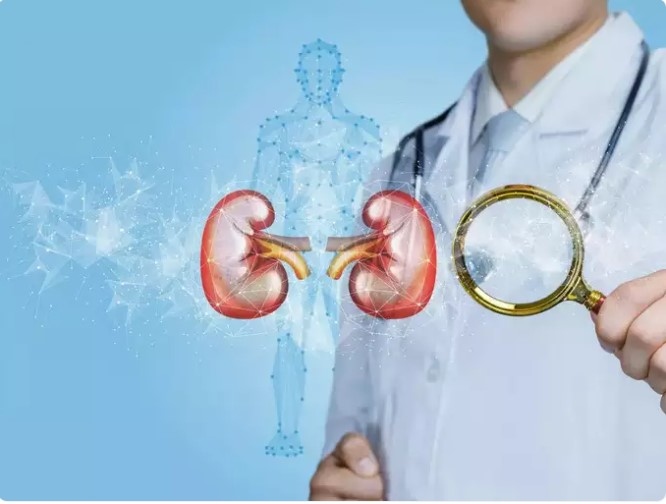
High blood pressure often has no symptoms.
Yet it is one of the strongest risk factors for kidney disease.
Elevated blood pressure can gradually damage the tiny blood vessels inside the kidneys, reducing their ability to filter waste.
Regular blood pressure checks and appropriate treatment can significantly reduce this risk.
People with diabetes are at increased risk of developing diabetic kidney disease.
Persistently high blood sugar can damage the kidneys' delicate filtering units over time.
Managing diabetes through:
Healthy eating
Regular exercise
Medications when prescribed
Routine monitoring
helps protect kidney function.
Smoking affects nearly every organ in the body.
It may:
Reduce blood flow to the kidneys
Increase blood pressure
Worsen existing kidney disease
Increase cardiovascular risk
Quitting smoking benefits kidney health as well as heart and lung health.
Highly processed foods are often rich in:
Sodium
Added sugars
Saturated fats
Over time, diets high in processed foods may contribute to conditions that increase kidney disease risk.
Instead, focus on:
Fresh fruits
Vegetables
Whole grains
Lean proteins
Beans
Nuts (if appropriate for your health condition)
Kidney disease often develops silently.
Routine health checkups may include:
Blood pressure measurement
Blood sugar testing
Blood tests for kidney function
Urine testing for protein
These tests can detect problems before symptoms appear.
People with diabetes, hypertension, or a family history of kidney disease may benefit from more frequent monitoring.
Occasionally delaying urination is usually not harmful.
However, frequently holding urine for prolonged periods may increase the risk of:
Urinary tract infections (UTIs)
Bladder problems
Although evidence linking habitual urine retention directly to chronic kidney disease is limited, responding to your body's natural urge to urinate is generally recommended.
Kidney disease often causes no symptoms early on.
As kidney function declines, some people may notice:
Swelling of the feet or ankles
Persistent fatigue
Foamy urine
Blood in the urine
Frequent nighttime urination
Loss of appetite
Muscle cramps
Difficulty concentrating
These symptoms are not specific to kidney disease and should be evaluated by a healthcare professional.
For most healthy individuals, a balanced diet rich in whole foods can help support kidney function.
Examples include:
Berries
Apples
Leafy green vegetables
Cauliflower
Fish
Olive oil
Whole grains
Beans and legumes (unless dietary restrictions apply)
People with established kidney disease may need individualized advice regarding potassium, phosphorus, protein, and sodium intake.
Protecting your kidneys involves your entire lifestyle.
Helpful habits include:
Stay physically active.
Maintain a healthy weight.
Drink enough water.
Eat a balanced diet.
Avoid smoking.
Limit alcohol.
Get adequate sleep.
Manage stress.
Take medications only as directed.
Small habits practiced consistently can make a significant difference over time.
Most chronic kidney disease develops without pain until later stages.
For healthy people, adequate hydration is beneficial.
However, drinking excessive amounts of water does not "detox" the kidneys and may even be harmful in certain situations.
Kidney disease can affect adults of any age, particularly those with diabetes, high blood pressure, obesity, or inherited kidney disorders.
Schedule a medical evaluation if you experience:
Persistent swelling
Blood in the urine
Foamy urine
Ongoing fatigue
Changes in urination
Persistent high blood pressure
You should also seek medical advice if you have diabetes or hypertension and have not had your kidney function checked recently.
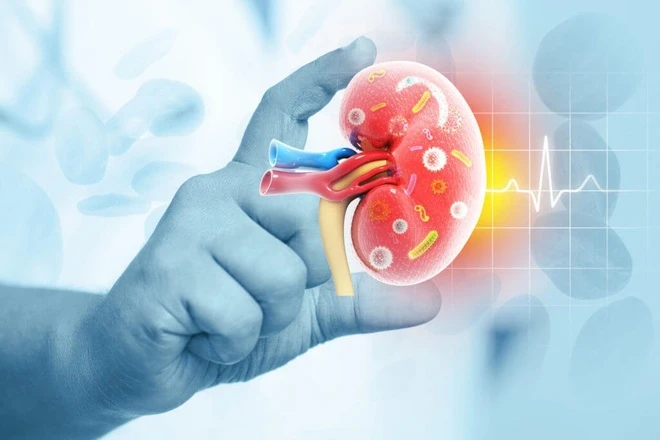
Healthy kidneys depend on healthy daily habits. Staying hydrated, limiting excess salt, avoiding unnecessary use of pain relievers, controlling blood pressure and blood sugar, maintaining a balanced diet, staying physically active, and attending regular medical checkups can all help support kidney function throughout life.
It's important to remember that no single habit causes kidney disease on its own, and most kidney problems develop over many years. The greatest protection comes from consistently making healthy choices and managing medical conditions that are known to affect the kidneys.
Your kidneys work quietly for you every day. Taking care of them today can help them continue protecting your health for years to come.
Doctors Explain What Happens to Your Body When You Eat Papaya Regularly
Enjoying Grapes Regularly? Here Are a Few Important Things to Consider
Thinking About Adding Winged Beans to Your Diet? Here's What You Should Know

8 Warning Signs of Stroke That Young Adults Should Never Ignore
Your Feet May Tell You More About Your Health Than You Realize

How to Soothe a Mucus-Filled Chest and Throat: Practical Home Care Tips
Diabetes Often Develops Silently - These 10 Signs May Appear First
Doctors Warn: These 7 Groups Face a Higher Risk of Kidney Disease

Ignoring these warning signs could delay early detection
Most People Ignore This Toenail Symptom Until It's Too Late

Persistent Hip Pain? It Could Be More Than Just Aging.

Don't overlook this common morning change.

These six subtle warning signs are easier to miss than you think.

Your Sleeping Position May Affect Your Spine, Breathing, and Sleep Quality
Morning Hydration Matters - Here's Why Drinking Water After Waking Up Can Help
Think Twice Before Eating These 5 Overnight Leftovers Without Proper Storage
Are Eggs Really Bad for Cholesterol? Scientists Are Taking a Fresh Look
Can Everyone Eat Watermelon? Here Are 5 Situations Where Moderation Matters

Pan.creatic Can.cer often whispers before it screams
Doctors Explain What Happens to Your Body When You Eat Papaya Regularly
Enjoying Grapes Regularly? Here Are a Few Important Things to Consider
Thinking About Adding Winged Beans to Your Diet? Here's What You Should Know
8 Warning Signs of Stroke That Young Adults Should Never Ignore
Your Feet May Tell You More About Your Health Than You Realize
Extend the Shelf Life of Fresh Ginger Using These Simple Storage Methods

Gentle Facial Hair Removal: What Works and What to Keep in Mind
How to Soothe a Mucus-Filled Chest and Throat: Practical Home Care Tips
6 Simple and Practical Ways to Reuse Rice Water Around Your Home
Diabetes Often Develops Silently - These 10 Signs May Appear First
Doctors Warn: These 7 Groups Face a Higher Risk of Kidney Disease
Ignoring these warning signs could delay early detection
Most People Ignore This Toenail Symptom Until It's Too Late
Persistent Hip Pain? It Could Be More Than Just Aging.
Don't overlook this common morning change.
These six subtle warning signs are easier to miss than you think.
Your Sleeping Position May Affect Your Spine, Breathing, and Sleep Quality
Morning Hydration Matters - Here's Why Drinking Water After Waking Up Can Help
Think Twice Before Eating These 5 Overnight Leftovers Without Proper Storage