Simple Ginger Storage Hacks to Help It Stay Fresh for Weeks or Even Months
Extend the Shelf Life of Fresh Ginger Using These Simple Storage Methods
Tips 27/06/2026 15:36
Every day, millions of people rinse rice before cooking and immediately pour the cloudy water down the drain without giving it a second thought. However, this simple liquid - commonly known as rice water has been used for generations in many cultures for household tasks, gardening, and traditional beauty routines.
Rice water contains small amounts of starch, amino acids, minerals, and other compounds released from the rice during rinsing or soaking. While many claims about rice water have become popular on social media, it's important to separate tradition from scientific evidence. Rice water is not a miracle product, but it can be a practical, inexpensive way to reuse something that would otherwise be wasted.
Here are 6 smart and practical ways to make the most of rice water.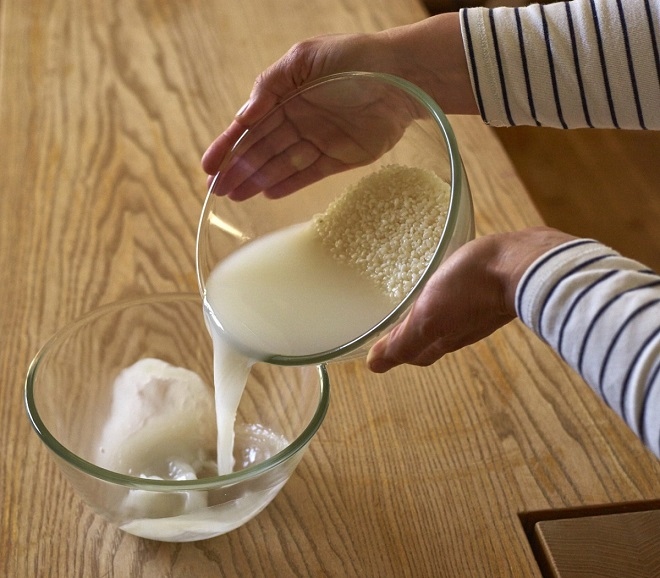
Rice water is the liquid left after rinsing or soaking uncooked rice.
Depending on how it is prepared, it may contain:
Small amounts of starch
Amino acids
B vitamins (in small quantities)
Minerals
Trace antioxidants
The exact composition depends on the type of rice and how thoroughly it is rinsed.
In many cases, yes—but only if handled properly.
Fresh rice water should be:
Used the same day whenever possible.
Refrigerated if not used immediately.
Discarded if it develops an unpleasant smell or signs of fermentation (unless intentionally fermented for cosmetic use).
Always start with clean rice and clean water.
One of the most practical uses for rice water is watering plants.
The small amounts of starch and minerals may provide nutrients for soil microorganisms, although rice water should not be considered a replacement for balanced fertilizer.
Use plain rice water without salt or seasoning.
Allow it to cool completely if it was heated.
Use it occasionally rather than every day.
Houseplants, herbs, and many garden plants may benefit from this simple reuse.
Avoid overwatering, regardless of the type of water used.
Rice water has become popular in hair care, particularly after stories about traditional beauty practices in parts of Asia.
Some people use rice water as a rinse after shampooing.
Anecdotal reports suggest it may help:
Improve hair smoothness
Reduce friction between hair strands
Make hair easier to comb
Add temporary shine
However, scientific evidence supporting significant improvements in hair growth is limited.
If you wish to try it:
Apply after shampooing.
Leave it on for several minutes.
Rinse thoroughly with clean water.
If irritation occurs, discontinue use.
Rice water has long been used in traditional skincare routines.
Some people apply cooled rice water as a facial rinse or toner.
It may temporarily help:
Refresh the skin
Provide light hydration
Soothe minor irritation in some individuals
Research on cosmetic benefits is still limited, and results vary.
Always perform a patch test before applying rice water to larger areas of skin.
Avoid using rice water on broken or infected skin.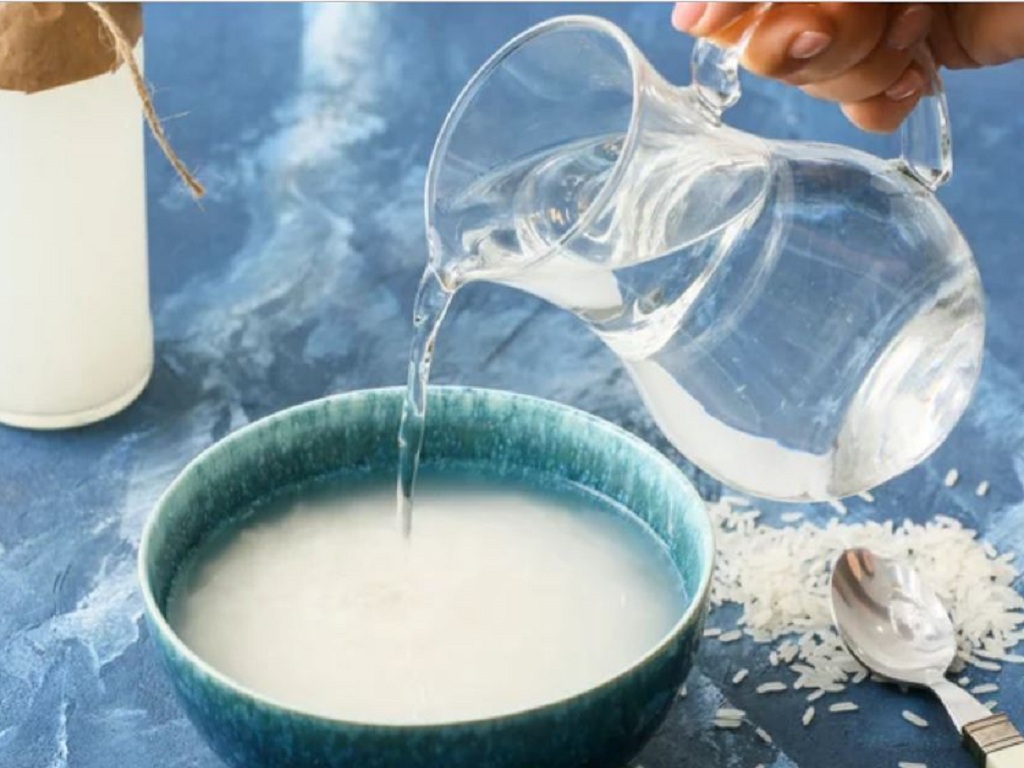
Because rice water contains starch, it has traditionally been used for light household cleaning.
Some people use it to help clean:
Glass surfaces
Stainless steel utensils
Ceramic items
The starch may help loosen light residue.
After cleaning, rinse with clean water and dry thoroughly.
Rice water should not replace appropriate disinfectants when sanitation is required.
Rice water can also be added to compost systems in moderation.
The organic compounds may contribute to microbial activity during composting.
However:
Use only small amounts.
Avoid adding spoiled rice water.
Maintain a balanced compost mixture.
Too much liquid can make compost excessively wet.
Perhaps the greatest benefit of rice water is sustainability.
Instead of pouring it directly down the drain, reusing rice water for plants or certain household purposes helps reduce waste.
Small everyday habits like this support environmentally friendly living without requiring expensive products.
There are several common methods.
Rinse uncooked rice with clean water.
Collect the cloudy water.
Use it promptly.
Soak rice in water for about 30 minutes.
Stir gently.
Strain and collect the water.
Some people use leftover cooking water from plain rice.
If using this method:
Do not add salt or oil.
Cool completely before reuse.
Current scientific evidence does not confirm that rice water significantly increases hair growth.
Some people may notice smoother hair, but results vary.
Rice water is not a medical treatment.
Persistent skin problems should be evaluated by a dermatologist.
Rice water contains only small amounts of nutrients.
Healthy plants still require balanced soil, sunlight, and appropriate fertilizer when needed.
Avoid using rice water if:
It smells sour or spoiled.
Mold is visible.
It has been stored at room temperature for too long.
It contains salt, sugar, oil, or seasonings.
Spoiled rice water may contain unwanted bacteria and should be discarded.
To get the best results:
Prepare fresh rice water.
Store refrigerated if necessary.
Use within 24 to 48 hours.
Shake before use.
Test on a small area of skin first.
Use plain, unsalted rice water only.
These simple precautions help minimize the risk of irritation or contamination.
Rice water alone won't transform your health, beauty routine, or garden.
However, finding practical ways to reuse household resources supports a more sustainable lifestyle.
Simple habits like:
Reducing waste
Recycling where possible
Conserving water
Caring for plants
Maintaining a balanced skincare routine
can all contribute to healthier homes and a healthier environment.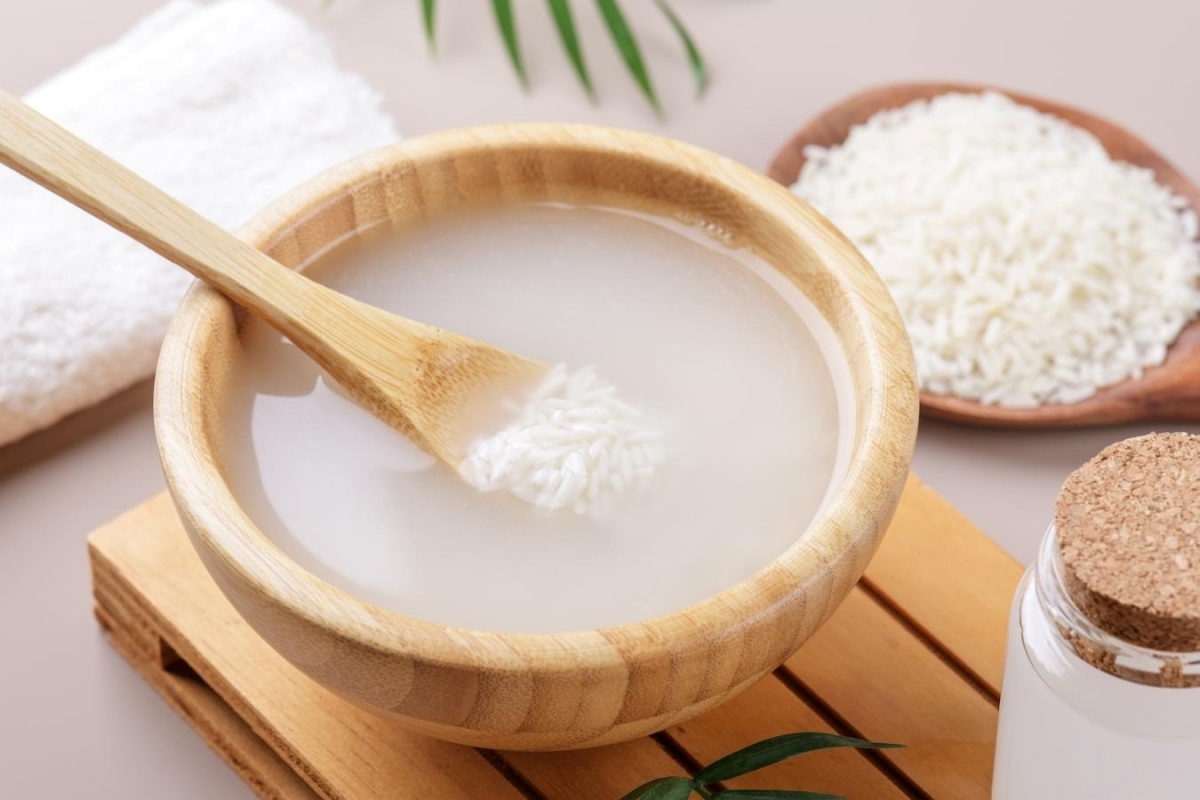
Rice water is a simple household by-product that has been used in traditional practices for generations. While many of its modern claims - especially those related to dramatic hair growth or skin transformation - are not strongly supported by scientific evidence, rice water can still be a useful and economical resource.
Whether you use it to water plants, rinse your hair, refresh your skin, clean certain household items, enrich compost, or simply reduce waste, rice water offers several practical ways to give new life to something that is often discarded.
The key is to use it safely, keep expectations realistic, and remember that while rice water may complement your daily routine, it is not a substitute for evidence-based skincare, hair care, gardening practices, or medical treatments.
Extend the Shelf Life of Fresh Ginger Using These Simple Storage Methods

Gentle Facial Hair Removal: What Works and What to Keep in Mind

Tired of Geckos Around the House? These Simple Tips May Help Keep Them Away

The Truth Will Surprise Most People
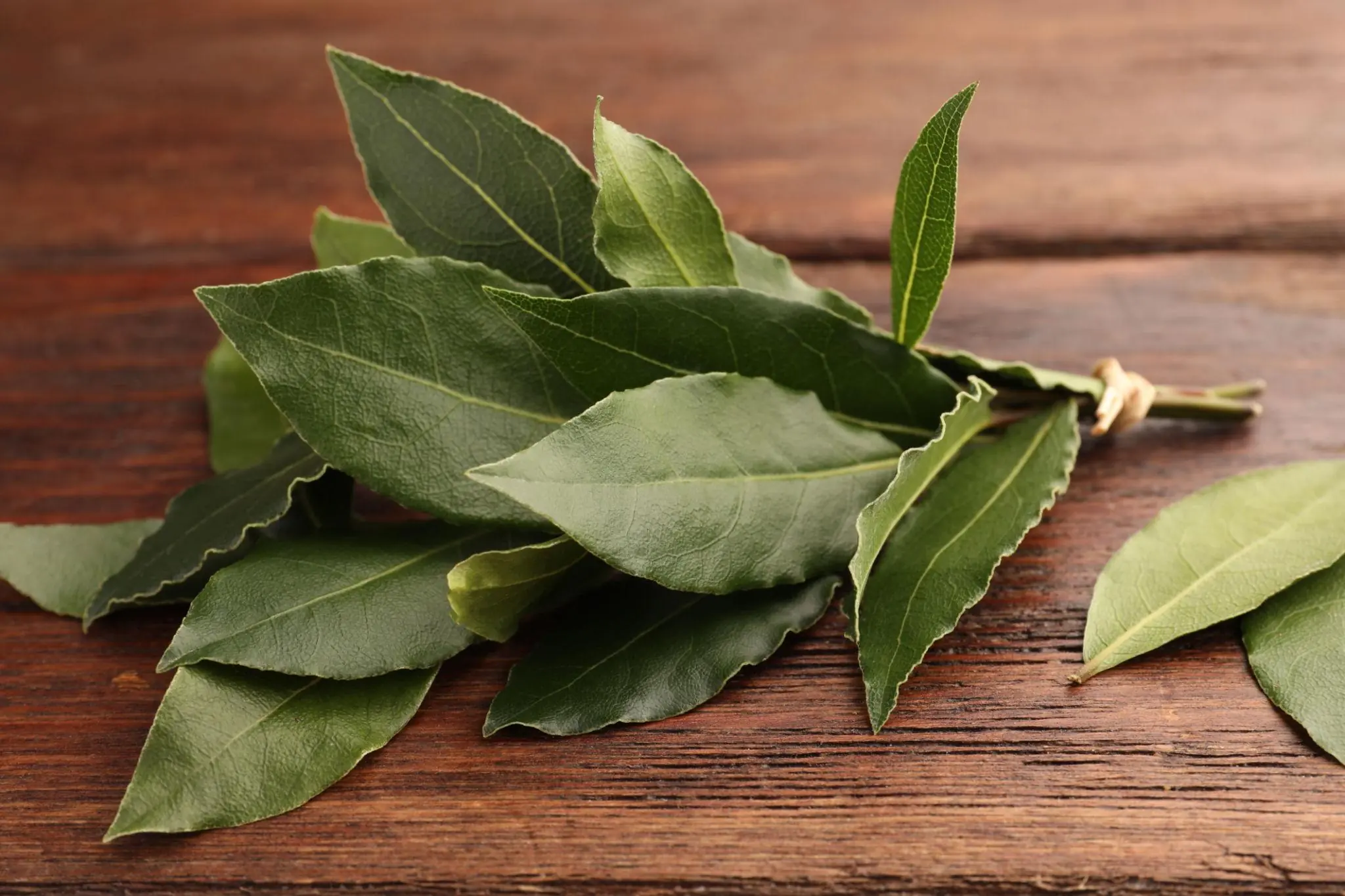
Boil These Leaves Once—Many People Say Insects Start Disappearing!
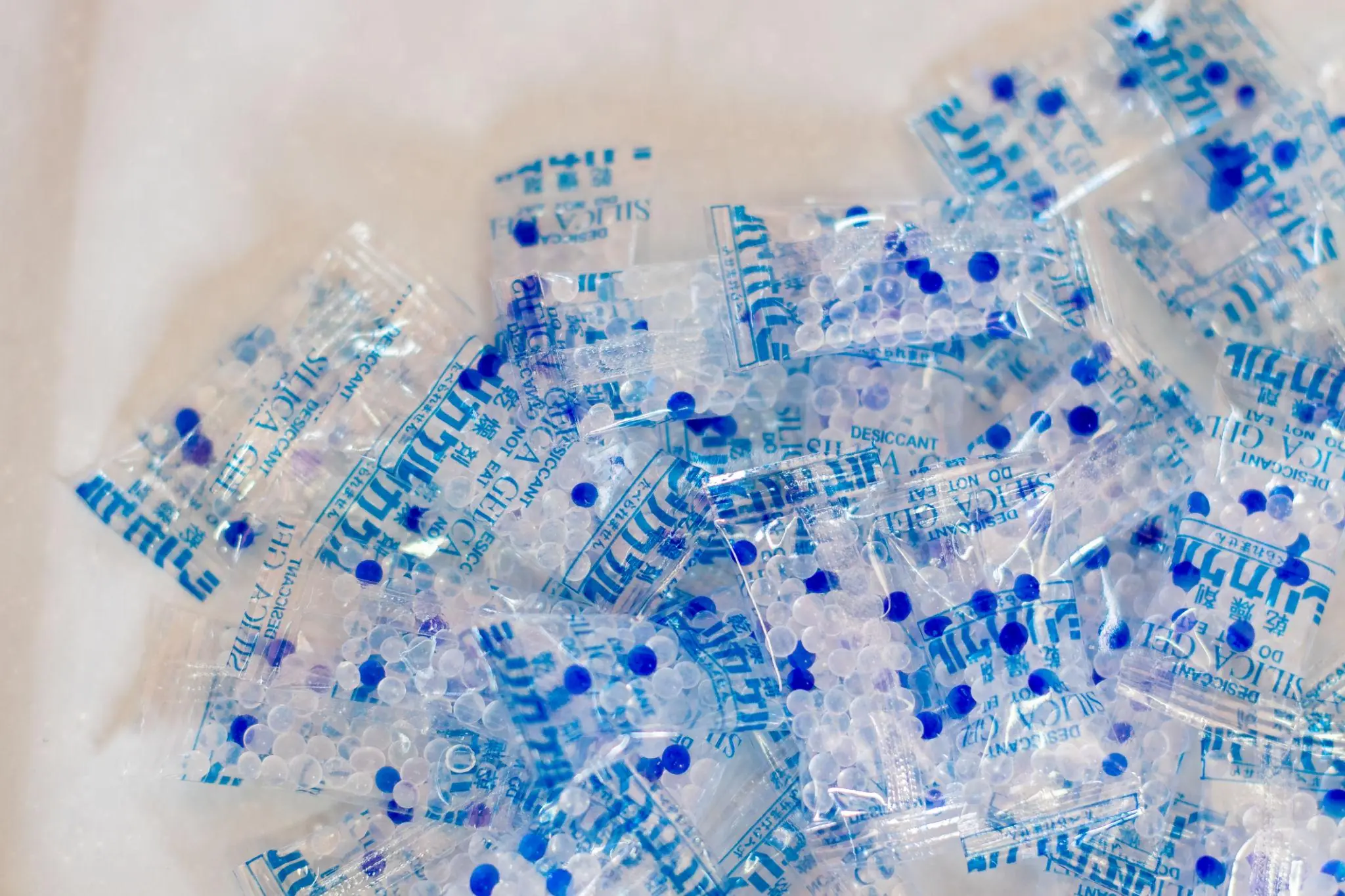
Those tiny silica gel packets are far more useful than most people realize
Sweet potatoes are root vegetables that have been cultivated for thousands of years.
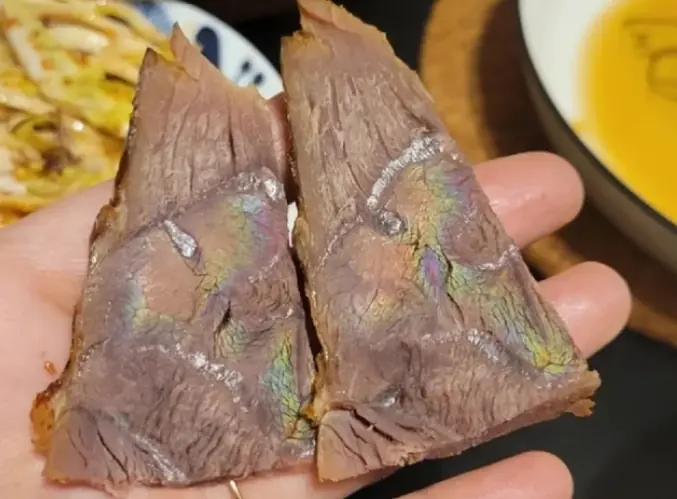
That colorful rainbow sheen on roast beef or ham isn't always a warning sign—it often has a simple scientific explanation.

The Hidden Reason Airport Staff Dislike Decorative Suitcase Ribbons

Your First Choice Says More About You Than You Think

Funeral traditions often assign special meanings to clothing colors.
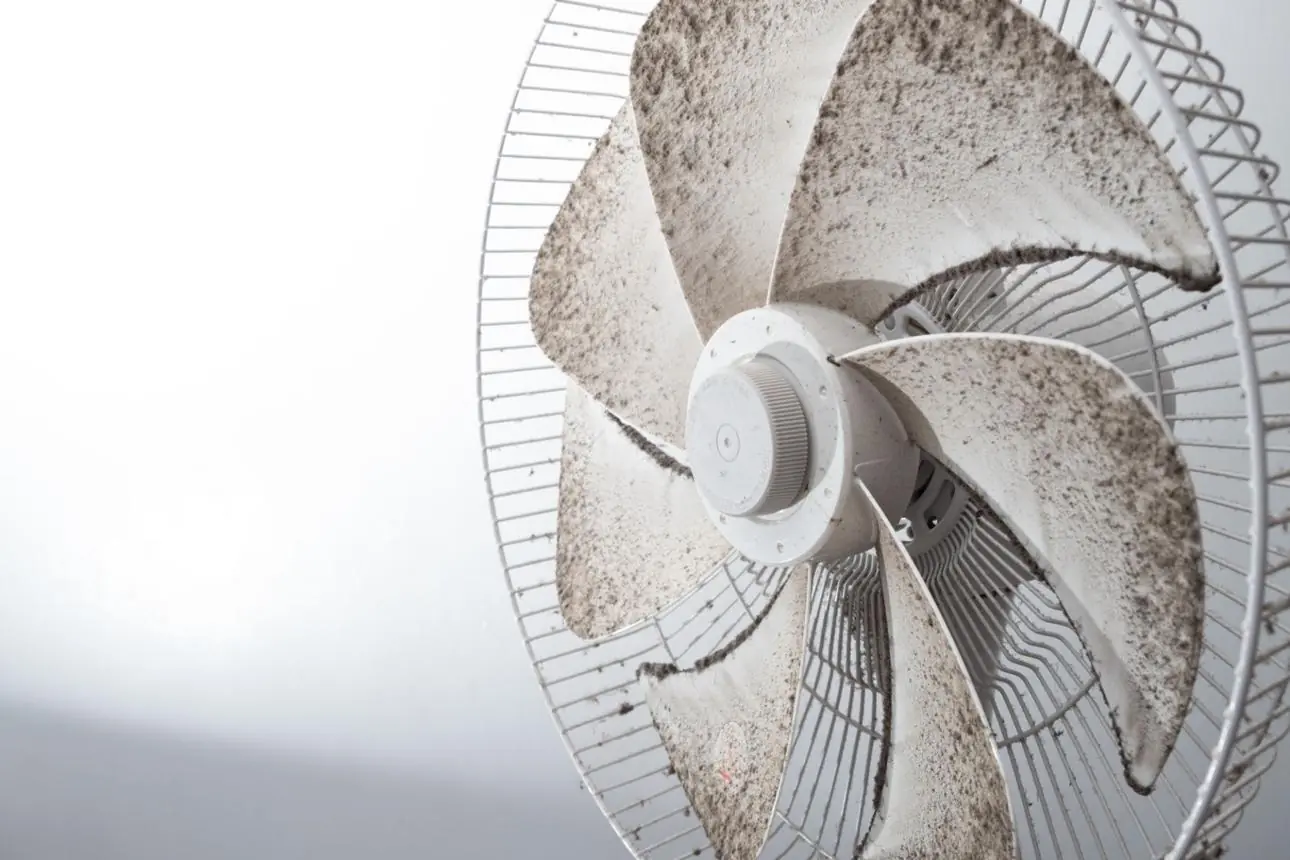
Clean dusty fan blades quickly with this easy no-disassembly method.

One simple choice, six fascinating personality types.

Experts Predict Major Wealth Shifts: 6 Assets That Could Outperform Real Estate and Cash in the Next 5 Years
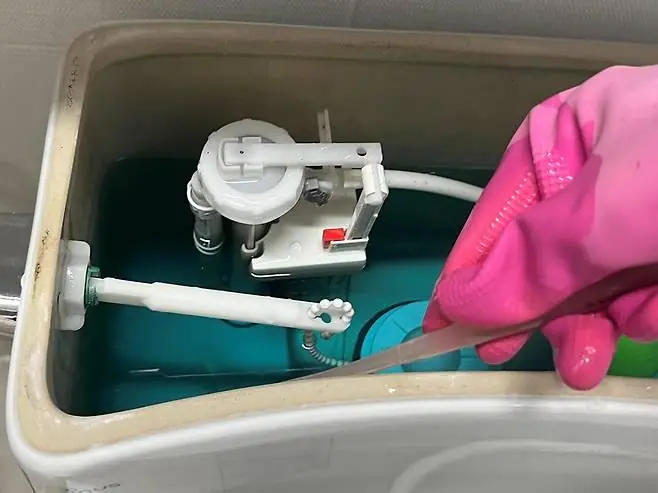
A simple cleaning routine can restore your toilet tank in minutes.
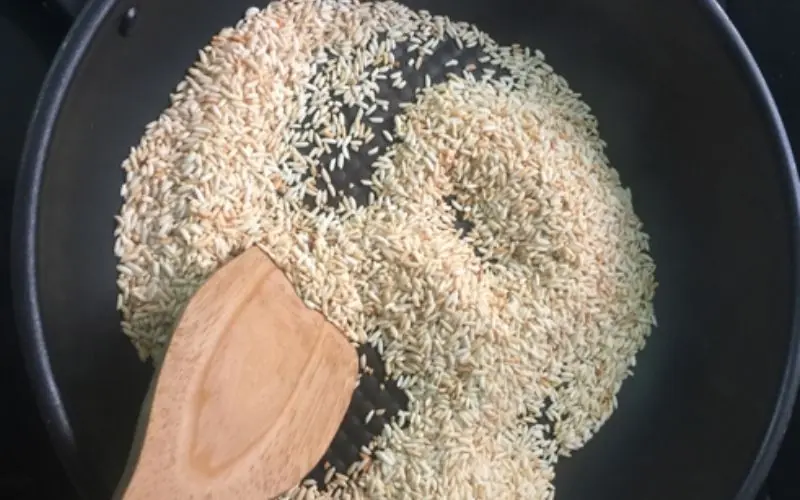
A Simple Rice Mixture That Many People Use to Help Keep Mice Away

The hidden fire risk many air fryer owners overlook.

What You See First in This Optical Illusion May Reveal How You Process the World
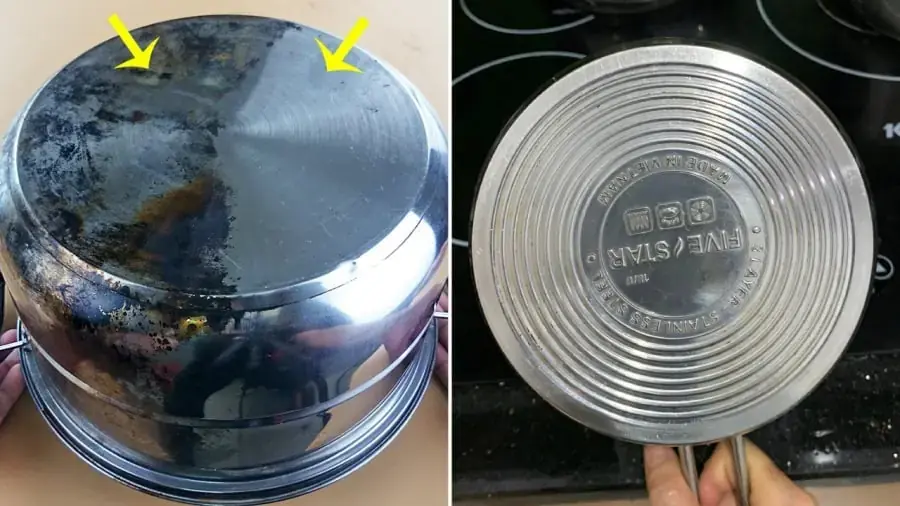
Before buying a new pan, try this 5-minute cleaning trick.

8 Warning Signs of Stroke That Young Adults Should Never Ignore
Your Feet May Tell You More About Your Health Than You Realize
Extend the Shelf Life of Fresh Ginger Using These Simple Storage Methods

These Everyday Habits May Be Putting Your Kidney Health at Risk
Gentle Facial Hair Removal: What Works and What to Keep in Mind
How to Soothe a Mucus-Filled Chest and Throat: Practical Home Care Tips

Diabetes Often Develops Silently - These 10 Signs May Appear First

Doctors Warn: These 7 Groups Face a Higher Risk of Kidney Disease

Ignoring these warning signs could delay early detection
Most People Ignore This Toenail Symptom Until It's Too Late

Persistent Hip Pain? It Could Be More Than Just Aging.

Don't overlook this common morning change.

These six subtle warning signs are easier to miss than you think.

Your Sleeping Position May Affect Your Spine, Breathing, and Sleep Quality
Morning Hydration Matters - Here's Why Drinking Water After Waking Up Can Help
Think Twice Before Eating These 5 Overnight Leftovers Without Proper Storage
Are Eggs Really Bad for Cholesterol? Scientists Are Taking a Fresh Look
Can Everyone Eat Watermelon? Here Are 5 Situations Where Moderation Matters

Pan.creatic Can.cer often whispers before it screams