Geckos are common visitors in homes across many warm and tropical regions. While these small reptiles are generally harmless and even beneficial because they eat insects such as mosquitoes, flies, and moths, many homeowners prefer not to share their living space with them. Their droppings, nighttime chirping, and tendency to appear on walls and ceilings can become an annoyance, especially when they gather indoors.
Fortunately, there are several safe and practical ways to make your home less attractive to geckos without harming them. Most methods focus on removing the things geckos are looking for: food, shelter, warmth, and easy access.
Here are some simple strategies that may help keep geckos away from your home.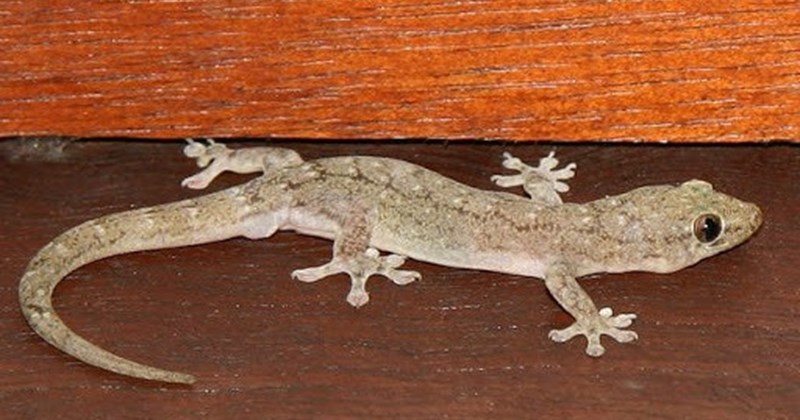
Why Do Geckos Enter Homes?
Understanding why geckos come inside is the first step toward preventing them.
Geckos are usually searching for:
-
Insects to eat
-
Warm places to hide
-
Moisture
-
Safe shelter
-
Easy access through small openings
If your home provides these conditions, geckos are more likely to stay.
1. Reduce the Number of Insects
Since insects are the primary food source for geckos, reducing insects may naturally reduce gecko activity.
Simple Ways to Reduce Insects
-
Keep food covered.
-
Clean up crumbs immediately.
-
Empty trash bins regularly.
-
Remove standing water around the house.
-
Install insect screens on windows.
-
Turn off unnecessary outdoor lights at night.
Outdoor lights attract insects, which in turn attract geckos.
Using warm-colored or yellow bug lights may attract fewer insects than bright white lights.
2. Seal Entry Points
Geckos can squeeze through surprisingly small gaps.
Inspect your home for openings around:
-
Windows
-
Doors
-
Air vents
-
Pipes
-
Utility lines
-
Roof edges
Seal cracks using:
-
Weather stripping
-
Silicone caulk
-
Door sweeps
-
Fine mesh screens
Blocking entry points is one of the most effective long-term solutions.
3. Keep Your Home Clean and Clutter-Free
Clutter provides excellent hiding places.
Pay special attention to:
-
Storage rooms
-
Garages
-
Closets
-
Basements
-
Behind furniture
Removing piles of boxes, newspapers, and unused items makes your home less appealing to geckos.
Regular cleaning also removes insects that may serve as food.
4. Manage Outdoor Vegetation
Dense plants close to the house may provide shelter for insects and geckos.
Consider:
-
Trimming bushes
-
Cutting back vines
-
Removing leaf piles
-
Keeping tree branches away from the roof
Reducing vegetation near windows and doors may help limit gecko access.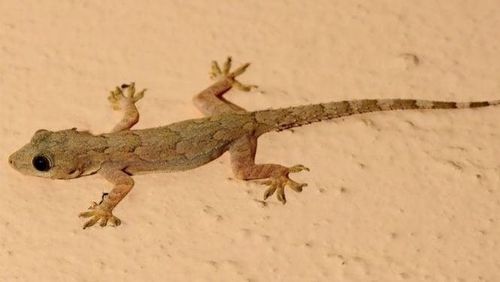
5. Limit Moisture
Geckos are attracted to damp environments because insects often gather there.
Check for:
-
Leaking pipes
-
Standing water
-
Damp basements
-
Overflowing gutters
Fixing moisture problems may help make your home less attractive to both insects and geckos.
6. Use Natural Scents With Caution
Many homeowners use strong scents as natural deterrents.
Examples include:
-
Peppermint oil
-
Lemongrass oil
-
Garlic
-
Onion
-
Coffee grounds
While some people report success, scientific evidence supporting these methods is limited.
If you use essential oils:
-
Dilute them properly.
-
Keep them away from pets that may be sensitive.
-
Test small areas first.
These methods should be viewed as complementary rather than guaranteed solutions.
7. Install Door Sweeps and Window Screens
Even a small gap beneath a door can provide an easy entry point.
Installing:
-
Tight-fitting door sweeps
-
Fine mesh window screens
-
Screen repairs where damaged
can significantly reduce unwanted visitors.
8. Store Pet Food Properly
Pet food left out overnight may attract insects.
In turn, insects attract geckos.
To reduce this risk:
-
Store pet food in sealed containers.
-
Remove leftover food before bedtime.
-
Clean feeding areas regularly.
9. Remove Indoor Hiding Spots
Geckos prefer quiet places during the day.
Check areas such as:
-
Behind appliances
-
Under cabinets
-
Storage shelves
-
Curtain folds
-
Ceiling corners
Keeping these areas clean may discourage them from settling indoors.
10. Consider Humane Traps if Necessary
If a gecko is already inside your home, humane traps or gentle capture methods can allow you to release it outdoors.
Avoid using sticky glue traps whenever possible, as they may seriously injure or kill geckos and other small animals.
If handling a gecko directly, be gentle. Never grab it by the tail, as many species can detach their tails as a defense mechanism.
Are Geckos Dangerous?
For most people, the answer is no.
Geckos are generally:
-
Non-aggressive
-
Non-venomous
-
Unlikely to bite
-
Helpful for controlling insects
However, their droppings may contribute to unsanitary conditions if they accumulate, and some individuals simply prefer not to have reptiles indoors.
Common Myths About Geckos
Myth 1: Geckos Are Poisonous
Most common household geckos are harmless to humans.
Myth 2: Killing Geckos Solves the Problem
Removing one gecko without addressing insects or entry points often leads to new geckos moving in later.
Prevention is much more effective than repeatedly removing individual animals.
Myth 3: One Home Remedy Works Every Time
No single scent, spray, or household ingredient has been proven to repel geckos consistently in every situation.
Success usually comes from combining several preventive measures.
When Should You Consider Professional Help?
If you notice:
-
A large gecko infestation
-
Persistent insect problems
-
Entry points that cannot be sealed
-
Structural issues attracting wildlife
a licensed pest management professional can help identify the underlying cause and recommend appropriate solutions.
Whenever possible, choose companies that emphasize integrated pest management (IPM), which focuses on prevention and minimizes unnecessary use of pesticides.
Building a Gecko-Unfriendly Home
The most effective long-term strategy combines several habits:
-
Reduce insects.
-
Seal cracks and openings.
-
Eliminate clutter.
-
Control moisture.
-
Maintain outdoor landscaping.
-
Install screens and door sweeps.
-
Keep food areas clean.
Small improvements in multiple areas often produce better results than relying on a single remedy.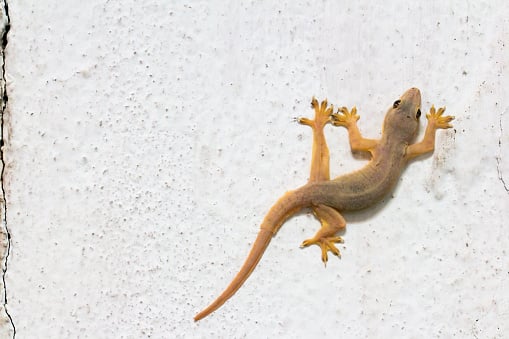
Final Thoughts
Geckos are a natural part of many environments and can even provide benefits by helping control insect populations. However, if they become frequent indoor visitors, simple preventive measures can often make your home far less inviting.
By reducing insects, sealing entry points, maintaining cleanliness, controlling moisture, and using humane prevention methods, you can often discourage geckos from entering without harming them.
Remember that no single method guarantees immediate results. Consistency is the key. Creating an environment with fewer food sources and fewer hiding places is usually the most effective—and most environmentally friendly—way to keep geckos outside where they belong.