A stroke is one of the leading causes of death and long-term disability worldwide. While many people associate stroke with older adults, the risk begins to rise during middle age, particularly in your 40s and 50s. During these years, health conditions such as high blood pressure, diabetes, high cholesterol, obesity, and heart disease become more common, increasing the likelihood of a stroke.
The encouraging news is that many strokes are preventable, and recognizing the warning signs early can dramatically improve the chances of recovery. In the case of a stroke, every minute matters. Prompt medical treatment can reduce brain damage and even save a person's life.
Understanding these ten warning signs could help you protect yourself or someone you love.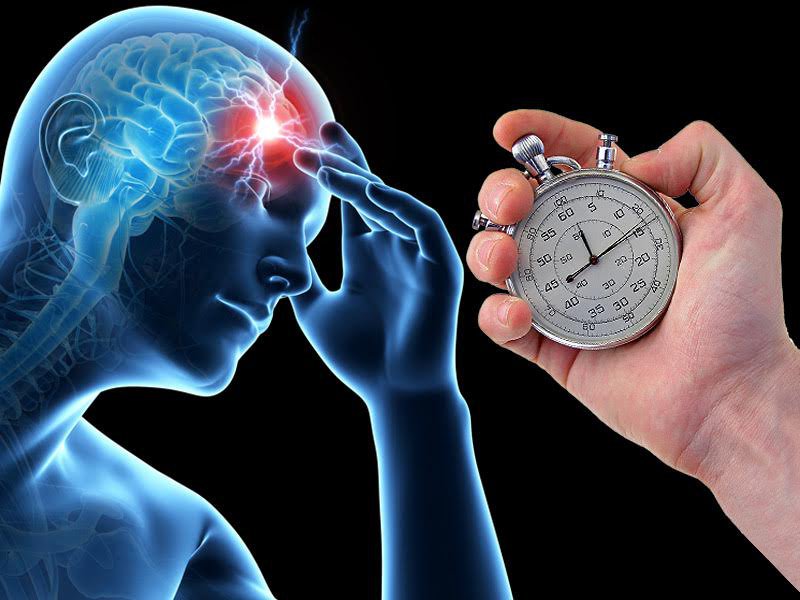
What Is a Stroke?
A stroke occurs when the brain's blood supply is interrupted.
There are two main types:
-
Ischemic stroke: Caused by a blockage in a blood vessel supplying the brain. This is the most common type.
-
Hemorrhagic stroke: Caused by bleeding in or around the brain after a blood vessel ruptures.
Without oxygen and nutrients, brain cells begin to die within minutes.
Because different parts of the brain control different functions, symptoms vary depending on the affected area.
Why Stroke Risk Increases in Your 40s and 50s
Although strokes can occur at any age, several risk factors become more common during middle age.
These include:
-
High blood pressure
-
Type 2 diabetes
-
High cholesterol
-
Smoking
-
Obesity
-
Physical inactivity
-
Excessive alcohol consumption
-
Heart rhythm disorders such as atrial fibrillation
Managing these conditions can significantly reduce stroke risk.
1. Sudden Weakness or Numbness on One Side of the Body
One of the most recognizable signs of a stroke is sudden weakness affecting one side of the body.
You may notice:
-
A weak arm
-
A weak leg
-
Facial drooping
-
Difficulty lifting one arm
This symptom often appears suddenly and requires immediate medical attention.
2. Difficulty Speaking or Understanding Speech
Stroke can affect the brain's language centers.
Possible symptoms include:
-
Slurred speech
-
Trouble finding words
-
Confusion
-
Difficulty understanding conversations
Someone experiencing a stroke may know what they want to say but be unable to express it clearly.
3. Sudden Vision Problems
A stroke may affect one or both eyes.
Possible changes include:
-
Blurred vision
-
Double vision
-
Partial loss of vision
-
Sudden blindness in one eye
Any sudden change in vision should be treated as a medical emergency.
4. Severe Headache
A sudden, intense headache - especially if unlike previous headaches can sometimes indicate a hemorrhagic stroke.
It may be accompanied by:
-
Nausea
-
Vomiting
-
Neck stiffness
-
Confusion
While many headaches are harmless, a sudden "worst headache of your life" requires immediate emergency care.
5. Loss of Balance or Coordination
Stroke may interfere with the brain's ability to coordinate movement.
You may experience:
-
Dizziness
-
Trouble walking
-
Loss of balance
-
Poor coordination
-
Frequent stumbling
These symptoms often appear suddenly.
6. Facial Drooping
A stroke commonly affects the muscles on one side of the face.
Ask the person to smile.
Warning signs include:
-
One side of the mouth droops
-
Uneven smile
-
Difficulty controlling facial muscles
Facial drooping is one of the easiest stroke symptoms to recognize.
7. Sudden Confusion
People having a stroke may suddenly become confused.
They might:
-
Forget where they are
-
Have trouble following simple instructions
-
Appear disoriented
-
Struggle to answer basic questions
Family members often notice this change first.
8. Numbness in the Face, Arm, or Leg
Unlike gradual numbness caused by poor posture, stroke-related numbness usually appears suddenly.
It commonly affects only one side of the body.
Persistent or sudden numbness should never be ignored.
9. Difficulty Swallowing
Some strokes affect the muscles responsible for swallowing.
Signs may include:
-
Choking while drinking
-
Trouble swallowing food
-
Coughing during meals
This symptom increases the risk of aspiration and should be evaluated promptly.
10. Sudden Extreme Fatigue or Weakness
Although fatigue alone is not a classic stroke symptom, some people—particularly women—may experience sudden overwhelming exhaustion or generalized weakness before or during a stroke.
If fatigue occurs together with any of the symptoms listed above, seek emergency medical care immediately.
Remember the FAST Test
One of the easiest ways to recognize a possible stroke is the FAST method.
F – Face: Ask the person to smile. Does one side droop?
A – Arms: Ask them to raise both arms. Does one arm drift downward?
S – Speech: Ask them to repeat a simple sentence. Is their speech slurred or unusual?
T – Time: If any of these signs are present, call emergency medical services immediately.
Time is critical because treatments for some strokes work best when given as quickly as possible.
What Should You Do If You Suspect a Stroke?
If you think someone is having a stroke:
-
Call emergency medical services immediately.
-
Note the time symptoms began, if possible.
-
Keep the person safe and comfortable.
-
Do not give food, drinks, or medications unless instructed by medical professionals.
-
Stay with the person until help arrives.
Never try to "wait and see" if symptoms improve.
Can a Stroke Be Prevented?
Many strokes are linked to risk factors that can be managed.
Control Blood Pressure
High blood pressure is the leading modifiable risk factor for stroke.
Regular monitoring and treatment can greatly reduce risk.
Manage Blood Sugar
People with diabetes have a higher risk of stroke.
Keeping blood sugar under control is essential.
Stay Active
Aim for at least 150 minutes of moderate physical activity each week.
Exercise supports:
-
Heart health
-
Healthy blood vessels
-
Weight management
Eat a Heart-Healthy Diet
Choose foods such as:
-
Fruits
-
Vegetables
-
Whole grains
-
Fish
-
Legumes
-
Nuts
Limit:
-
Excess sodium
-
Sugary beverages
-
Highly processed foods
-
Saturated fats
Avoid Smoking
Smoking damages blood vessels and significantly increases stroke risk.
Quitting smoking is one of the best decisions for long-term health.
Limit Alcohol
Heavy alcohol consumption may increase the risk of high blood pressure and stroke.
Moderation is recommended.
Common Myths About Stroke
Myth 1: Stroke Only Happens to Elderly People
Although risk increases with age, strokes can occur in younger adults and, in rare cases, even children.
Myth 2: Stroke Symptoms Always Cause Severe Pain
Most strokes are painless. Sudden neurological changes are often the most important warning signs.
Myth 3: If Symptoms Go Away, Everything Is Fine
Temporary symptoms may indicate a transient ischemic attack (TIA), sometimes called a "mini-stroke." A TIA is a medical emergency because it greatly increases the risk of a future stroke.
When Should You Seek Emergency Care?
Call emergency medical services immediately if you or someone else experiences:
-
Sudden weakness or numbness
-
Facial drooping
-
Difficulty speaking
-
Vision loss
-
Severe headache
-
Loss of balance
-
Sudden confusion
Do not attempt to drive yourself to the hospital if stroke symptoms are severe. Emergency responders can begin lifesaving care while transporting the patient.
Final Thoughts
Your 40s and 50s are an ideal time to become familiar with the warning signs of stroke. As risk factors such as high blood pressure, diabetes, and high cholesterol become more common during these years, recognizing stroke symptoms quickly can make a life-saving difference.
Sudden weakness, facial drooping, slurred speech, vision changes, severe headache, balance problems, confusion, numbness, difficulty swallowing, and sudden extreme fatigue should all be taken seriously—especially when they occur suddenly.
Most importantly, remember the FAST test and seek emergency medical care without delay if you suspect a stroke. Acting quickly can reduce brain damage, improve recovery, and save lives. Knowing these warning signs today may one day help protect your health—or the life of someone close to you.