Heart disease remains one of the leading causes of death worldwide, and a heart attack can happen suddenly or develop after hours—or even days - of warning signs. While not everyone experiences symptoms before a heart attack, many people notice subtle changes in their body that should never be ignored.
Recognizing these early warning signs and seeking immediate medical attention when necessary can save lives. It's important to remember that these symptoms do not always mean a heart attack is occurring. Many other medical conditions can cause similar symptoms. However, when symptoms are severe, persistent, or occur together, prompt evaluation is essential.
Let's explore three of the most important warning signs your heart may be sending.
What Is a Heart Attack?
A heart attack, also known as myocardial infarction, occurs when blood flow to part of the heart muscle becomes blocked, usually by a blood clot forming on top of a buildup of plaque inside a coronary artery.
Without enough oxygen-rich blood, part of the heart muscle begins to suffer damage.
Quick treatment can significantly reduce heart damage and improve survival.
Why Early Recognition Matters
Many people delay seeking medical care because they hope the symptoms will go away.
Unfortunately, every minute counts during a heart attack.
The sooner treatment begins, the greater the chance of:
-
Saving heart muscle
-
Preventing complications
-
Improving recovery
-
Reducing the risk of death
Knowing the warning signs could help you or someone you love act quickly.
1. Chest Pain or Pressure
The most common symptom of a heart attack is discomfort in the chest.
People often describe it as:
-
Pressure
-
Tightness
-
Squeezing
-
Fullness
-
Heaviness
-
Burning
-
Pain
The discomfort usually occurs in the center or left side of the chest.
It may last several minutes or come and go.
Some people mistake it for heartburn or indigestion.
Does Every Heart Attack Cause Severe Chest Pain?
No.
Some heart attacks cause only mild discomfort, while others produce intense pain.
Women, older adults, and people with diabetes may experience less typical symptoms.
2. Pain That Spreads Beyond the Chest
Heart attack pain does not always stay in the chest.
It may spread to:
-
The left arm
-
Both arms
-
Shoulders
-
Neck
-
Jaw
-
Upper back
-
Upper abdomen
Some people experience jaw or shoulder pain without significant chest discomfort.
Because of this, heart attacks can sometimes be mistaken for dental problems, muscle strain, or indigestion.
Persistent or unexplained pain in these areas—especially when accompanied by chest discomfort or shortness of breath—should be evaluated immediately.
3. Shortness of Breath
Difficulty breathing is another important warning sign.
You may notice:
-
Feeling unable to catch your breath
-
Breathlessness during mild activity
-
Shortness of breath while resting
-
Difficulty lying flat because of breathing discomfort
Some people experience shortness of breath before chest pain develops.
Others may have breathing difficulty as their primary symptom.
Other Symptoms That May Accompany a Heart Attack
Although chest pain, radiating pain, and shortness of breath are among the most common symptoms, other warning signs may also occur.
These include:
-
Cold sweat
-
Nausea or vomiting
-
Lightheadedness
-
Dizziness
-
Sudden weakness
-
Extreme fatigue
-
Pale or clammy skin
-
Feeling unusually anxious or a sense that "something isn't right"
Symptoms vary widely from person to person.
Heart Attack Symptoms in Women
Women may experience the classic symptoms, but they are also more likely to report less typical signs.
These may include:
-
Unusual fatigue
-
Nausea
-
Back pain
-
Neck pain
-
Jaw pain
-
Mild chest discomfort
-
Shortness of breath
Because these symptoms can be mistaken for less serious conditions, women sometimes delay seeking medical care.
Heart Attack Symptoms in Older Adults
Older adults may experience:
-
Weakness
-
Confusion
-
Dizziness
-
Fainting
-
Shortness of breath with little or no chest pain
Any sudden, unexplained change in health should be evaluated promptly.
Who Is at Higher Risk?
Several factors increase the likelihood of developing heart disease.
These include:
-
High blood pressure
-
High cholesterol
-
Diabetes
-
Smoking
-
Obesity
-
Physical inactivity
-
Family history of heart disease
-
Increasing age
-
Chronic kidney disease
-
Excessive alcohol consumption
The more risk factors a person has, the greater the likelihood of cardiovascular disease.
When Should You Call Emergency Services?
Seek emergency medical help immediately if you experience:
-
Chest pain lasting more than a few minutes
-
Chest discomfort that returns repeatedly
-
Chest pain accompanied by shortness of breath
-
Pain spreading to the jaw, shoulder, back, or arm
-
Sudden sweating with chest discomfort
-
Fainting or severe dizziness
Do not drive yourself to the hospital if possible. Call your local emergency services so treatment can begin as quickly as possible.
How Doctors Diagnose a Heart Attack
If a heart attack is suspected, healthcare providers may perform:
-
An electrocardiogram (ECG or EKG)
-
Blood tests measuring cardiac troponin
-
Chest imaging if needed
-
Coronary angiography in selected cases
These tests help determine whether heart muscle damage has occurred.
Can Heart Attacks Be Prevented?
Although not every heart attack can be prevented, many risk factors can be reduced through healthy lifestyle choices.
Eat a Heart-Healthy Diet
Choose foods such as:
-
Fruits
-
Vegetables
-
Whole grains
-
Beans
-
Nuts
-
Fish
-
Healthy oils
Limit:
-
Processed foods
-
Sugary beverages
-
Excess sodium
-
Saturated fats
Stay Physically Active
Aim for regular physical activity, such as brisk walking, cycling, or swimming, according to your healthcare provider's recommendations.
Exercise helps improve:
-
Blood pressure
-
Cholesterol
-
Weight management
-
Blood sugar control
Avoid Smoking
Smoking significantly increases the risk of heart attack.
Quitting smoking provides benefits almost immediately and continues improving heart health over time.
Manage Chronic Conditions
Keeping blood pressure, cholesterol, and diabetes under good control can greatly reduce cardiovascular risk.
Regular medical checkups are essential.
Common Myths About Heart Attacks
Myth 1: Heart Attacks Always Cause Sudden, Severe Chest Pain
Some heart attacks begin gradually with mild discomfort.
Never ignore symptoms simply because they seem "not severe enough."
Myth 2: Only Older Men Have Heart Attacks
Women and younger adults can also experience heart attacks, especially if they have cardiovascular risk factors.
Myth 3: If Symptoms Go Away, Everything Is Fine
Heart attack symptoms may come and go.
Even if symptoms improve temporarily, medical evaluation is still important.
Protecting Your Heart Every Day
Simple daily habits can make a significant difference.
Consider:
-
Eating a balanced diet
-
Exercising regularly
-
Maintaining a healthy weight
-
Sleeping 7–9 hours each night
-
Managing stress
-
Avoiding tobacco
-
Limiting alcohol
-
Monitoring blood pressure and cholesterol
-
Following your healthcare provider's recommendations
Small lifestyle improvements made consistently over time can substantially lower the risk of heart disease.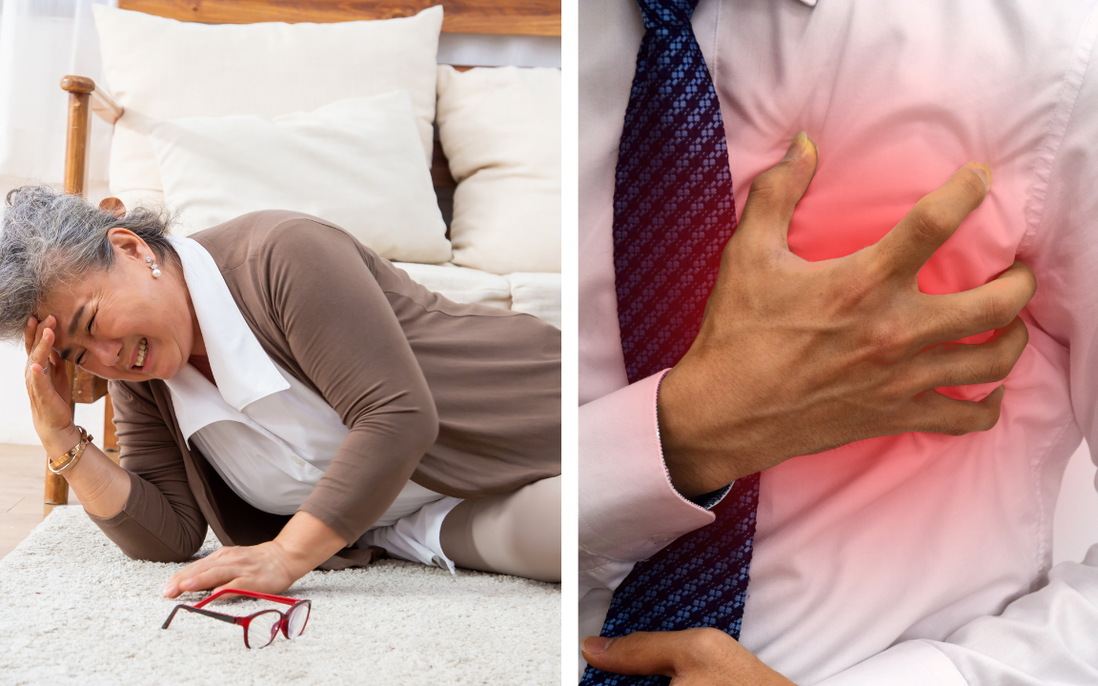
Final Thoughts
Your heart may provide important warning signs before or during a heart attack. Chest pain or pressure, pain that spreads to the arm, jaw, shoulder, or back, and shortness of breath are among the most important symptoms to recognize. Additional signs such as cold sweats, nausea, dizziness, or unusual fatigue may also occur, particularly in women and older adults.
While these symptoms do not always indicate a heart attack, they should never be ignored—especially if they are sudden, severe, or occur together. Prompt medical attention can make a life-saving difference.
Remember, the best protection is a combination of healthy lifestyle habits, regular medical care, and knowing when to seek emergency help. Listening to your body's signals today could help protect your heart for years to come.