Ovarian cancer is often called the "silent disease," but this description can be misleading. In reality, many women do experience symptoms - especially as the disease develops. The challenge is that these symptoms are often subtle, vague, and easily mistaken for common digestive, urinary, or hormonal problems.
Because ovarian cancer is frequently diagnosed at a later stage, recognizing persistent changes in your body and seeking medical evaluation when symptoms don't go away can make an important difference. It is essential to remember that these symptoms do not automatically mean ovarian cancer. Most women who experience them have other, less serious conditions. However, persistent or worsening symptoms should never be ignored.
Let's explore eight possible warning signs and understand why they deserve attention.
What Is Ovarian Cancer?
Ovarian cancer begins when abnormal cells in the ovaries grow uncontrollably.
The ovaries are part of the female reproductive system and are responsible for:
-
Producing eggs
-
Releasing hormones such as estrogen and progesterone
-
Supporting reproductive health
There are several types of ovarian cancer, with epithelial ovarian cancer being the most common.
Why Early Detection Is Challenging
Unlike some other cancers, ovarian cancer does not have a routine screening test that is recommended for women at average risk.
Early symptoms often resemble common conditions such as:
-
Indigestion
-
Irritable bowel syndrome (IBS)
-
Menstrual discomfort
-
Bladder problems
Because of this, many women delay seeking medical advice.
Recognizing symptoms that are new, persistent, and frequent is especially important.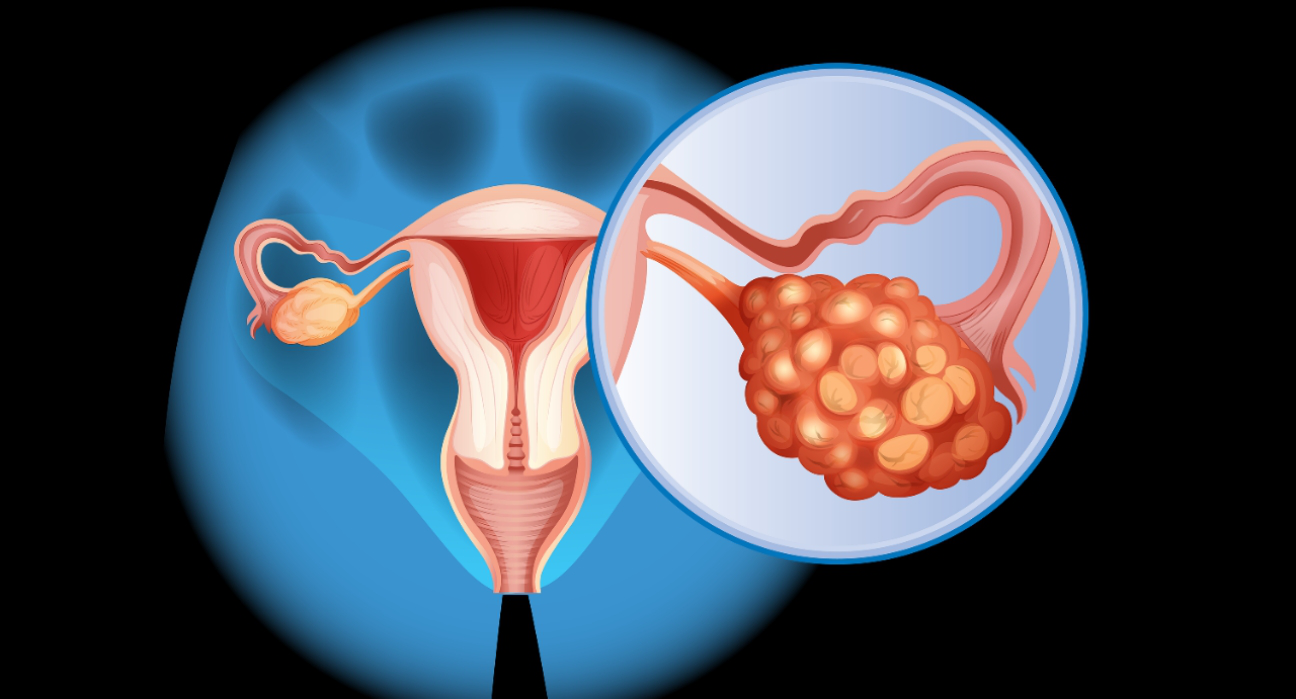
1. Persistent Bloating
One of the most frequently reported symptoms is ongoing abdominal bloating.
Unlike occasional bloating after a large meal, this type tends to:
-
Occur frequently
-
Last for several weeks
-
Continue despite dietary changes
Some women describe feeling as though their abdomen is constantly swollen.
2. Pelvic or Abdominal Pain
Persistent discomfort in the pelvis or lower abdomen should not be ignored.
Pain may feel like:
-
Pressure
-
Cramping
-
Aching
-
Fullness
While pelvic pain has many possible causes—including menstrual conditions and digestive disorders—pain that persists or worsens deserves medical evaluation.
3. Feeling Full Quickly or Loss of Appetite
Many women with ovarian cancer report that they become full after eating only a small amount.
You may notice:
-
Difficulty finishing meals
-
Reduced appetite
-
Feeling unusually satisfied after just a few bites
If this continues for several weeks without an obvious explanation, speak with your healthcare provider.
4. Frequent or Urgent Urination
Changes in bladder habits may occur when pressure develops within the pelvis.
Possible symptoms include:
-
Frequent urination
-
Feeling the need to urinate urgently
-
Waking frequently at night to urinate
These symptoms are also common with urinary tract infections, overactive bladder, and other non-cancerous conditions.
However, persistent symptoms should be evaluated.
5. Changes in Bowel Habits
Some women experience noticeable digestive changes.
These may include:
-
Constipation
-
Diarrhea
-
Increased gas
-
Difficulty passing stool
Digestive symptoms are extremely common and usually have non-cancerous causes.
The concern arises when symptoms are persistent, unexplained, or progressively worsening.
6. Unexplained Fatigue
Persistent fatigue that does not improve with adequate rest can sometimes accompany ovarian cancer.
Women may experience:
-
Low energy
-
Weakness
-
Difficulty concentrating
-
Reduced ability to perform daily activities
Fatigue can also result from anemia, thyroid disorders, stress, poor sleep, infections, and many other medical conditions.
7. Back Pain
Some women report ongoing lower back pain that cannot be explained by physical activity or injury.
Persistent back pain combined with abdominal or pelvic symptoms may warrant further medical assessment.
Again, back pain alone is much more commonly caused by musculoskeletal problems than by ovarian cancer.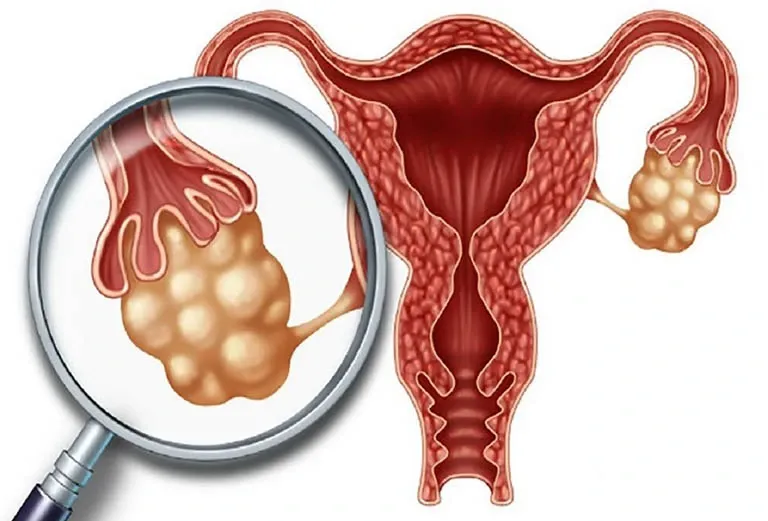
8. Unexplained Weight Loss
Unexpected weight loss without changes in diet or exercise should always be discussed with a healthcare professional.
You may notice:
-
Clothes becoming loose
-
Reduced appetite
-
Progressive weight loss over weeks or months
Although many illnesses can cause unexplained weight loss, it is an important symptom that deserves evaluation.
Other Symptoms That May Occur
Additional symptoms sometimes associated with ovarian cancer include:
-
Increased abdominal size
-
Pain during sexual intercourse
-
Menstrual changes
-
Persistent indigestion
-
Nausea
-
Swelling of the abdomen
No single symptom confirms ovarian cancer, but persistent combinations of these symptoms should not be ignored.
Who Is at Higher Risk?
Several factors may increase the risk of ovarian cancer.
These include:
-
Increasing age
-
Family history of ovarian or breast cancer
-
Inherited BRCA1 or BRCA2 gene mutations
-
Lynch syndrome
-
Never having been pregnant
-
Endometriosis (for certain types of ovarian cancer)
Many women who develop ovarian cancer, however, have no obvious risk factors.
The Importance of Family History
Women with close relatives who have had ovarian, breast, pancreatic, or prostate cancer may benefit from discussing their family history with a healthcare provider.
In some situations, genetic counseling and testing may be appropriate.
How Is Ovarian Cancer Evaluated?
If ovarian cancer is suspected, your healthcare provider may recommend:
-
A pelvic examination
-
Transvaginal ultrasound
-
Blood tests, including CA-125 in selected situations
-
CT or MRI scans
-
Referral to a gynecologic specialist
These tests help determine the cause of symptoms but are not used as routine screening for women at average risk.
Can Ovarian Cancer Be Prevented?
There is no guaranteed way to prevent ovarian cancer.
However, maintaining overall health may help reduce the risk of many chronic diseases.
Healthy habits include:
Eat a Balanced Diet
Choose:
-
Fruits
-
Vegetables
-
Whole grains
-
Lean proteins
-
Healthy fats
Stay Physically Active
Regular exercise supports overall health and helps maintain a healthy weight.
Attend Regular Checkups
Routine medical care allows healthcare providers to evaluate persistent symptoms and discuss family history.
Know Your Family History
Sharing information about cancer diagnoses among close relatives can help guide appropriate risk assessment.
Common Myths About Ovarian Cancer
Myth 1: Ovarian Cancer Has No Symptoms
Many women do experience symptoms, but they are often subtle and mistaken for other conditions.
Myth 2: A Normal Pap Test Detects Ovarian Cancer
Pap tests are designed to screen for cervical cancer, not ovarian cancer.
Myth 3: Only Older Women Get Ovarian Cancer
Although risk increases with age, ovarian cancer can occur in younger women as well.
When Should You See a Doctor?
Arrange a medical evaluation if you experience symptoms that:
-
Occur almost daily
-
Last for more than two to three weeks
-
Are new for you
-
Continue to worsen
-
Interfere with daily life
Persistent bloating, pelvic pain, early fullness, urinary changes, unexplained fatigue, or weight loss deserve professional assessment.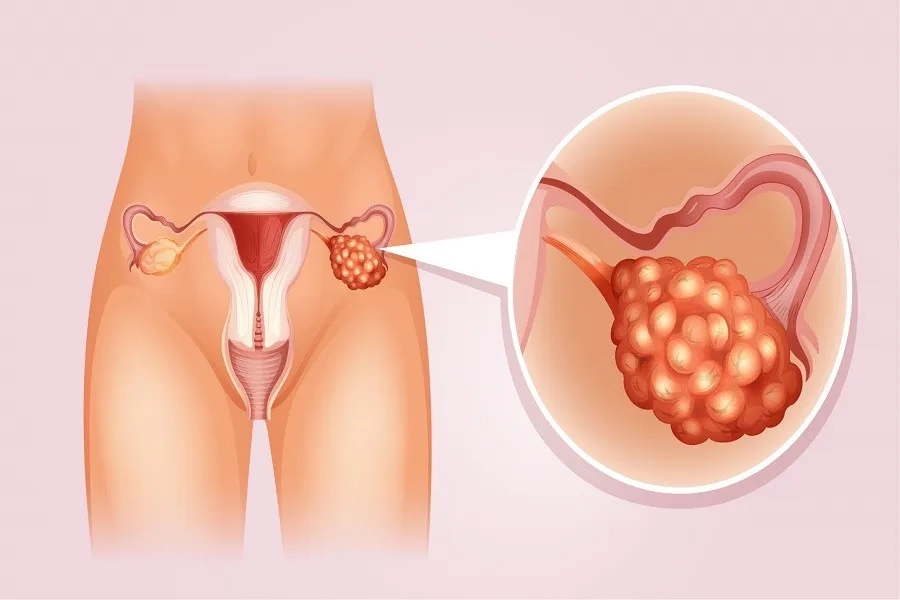
Final Thoughts
Ovarian cancer often develops with symptoms that seem ordinary at first. Persistent bloating, pelvic pain, feeling full quickly, frequent urination, digestive changes, fatigue, back pain, and unexplained weight loss are all possible warning signs that should not be dismissed when they are new, frequent, or persistent.
Most women experiencing these symptoms do not have ovarian cancer. In many cases, the cause is a far less serious condition. Nevertheless, paying attention to changes in your body and seeking medical advice when symptoms persist is one of the best ways to protect your health.
Early recognition, timely evaluation, and regular communication with your healthcare provider can improve the chances of identifying health problems early—whether they are related to ovarian cancer or another treatable condition.