Colon cancer, also known as colorectal cancer, is one of the most common cancers worldwide. It often develops slowly over several years, beginning as small growths called polyps inside the colon or rectum. Many polyps are harmless, but some can gradually become cancerous if left untreated.
One of the challenges of colon cancer is that it may produce few or no symptoms in its earliest stages. However, as the disease progresses, the digestive system often begins sending warning signals. While these symptoms are not unique to colon cancer and can result from many less serious conditions, they should never be ignored—especially if they persist.
Understanding these possible warning signs can encourage earlier medical evaluation and improve the chances of successful treatment.
What Is Colon Cancer?
The colon is the largest part of the large intestine and plays an important role in:
-
Absorbing water
-
Processing waste
-
Forming stool
-
Supporting healthy digestion
Colon cancer develops when cells in the lining of the colon begin growing uncontrollably.
If detected early, treatment is often highly effective.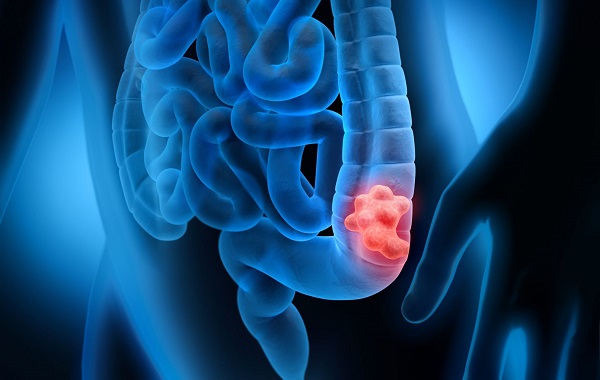
Why Early Detection Matters
Many cases of colon cancer are discovered during routine screening before symptoms appear.
When detected at an early stage:
-
Treatment options are often more effective.
-
Surgery alone may be sufficient in some cases.
-
Survival rates are generally much higher.
This is why regular screening is recommended for adults based on age and individual risk factors.
1. Persistent Changes in Bowel Habits
One of the most common early warning signs involves changes in normal bowel habits.
You may notice:
-
Ongoing diarrhea
-
Persistent constipation
-
Alternating diarrhea and constipation
-
Narrow or pencil-thin stools
-
A feeling that the bowel doesn't empty completely
Occasional digestive changes are common.
However, symptoms that continue for several weeks deserve medical evaluation.
Why It Happens
A growing tumor may partially block the passage of stool, changing bowel movements.
Many other conditions—including irritable bowel syndrome (IBS), infections, and dietary changes—can produce similar symptoms.
2. Blood in the Stool
Blood in the stool should never be ignored.
It may appear as:
-
Bright red blood
-
Dark red blood
-
Black or tarry stools
-
Blood visible on toilet paper
Sometimes the amount of bleeding is so small that it can only be detected through laboratory testing.
Important Note
Blood in the stool does not automatically mean colon cancer.
Common causes include:
-
Hemorrhoids
-
Anal fissures
-
Inflammatory bowel disease
-
Diverticular disease
Nevertheless, any unexplained rectal bleeding should be evaluated promptly.
3. Persistent Abdominal Pain or Cramping
Many people occasionally experience stomach discomfort.
However, ongoing abdominal pain may indicate that something deserves further investigation.
Symptoms may include:
-
Cramping
-
Bloating
-
Gas
-
Abdominal fullness
-
Lower abdominal discomfort
Pain that continues despite dietary changes or standard treatments should be discussed with a healthcare professional.
4. Unexplained Weight Loss
Losing weight without trying is another symptom that should not be overlooked.
You may notice:
-
Clothes fitting more loosely
-
Reduced appetite
-
Feeling full quickly
-
Progressive weight loss
Unintentional weight loss can occur with many conditions, including:
-
Thyroid disorders
-
Diabetes
-
Chronic infections
-
Digestive diseases
-
Certain cancers
Persistent weight loss always deserves medical evaluation.
5. Fatigue and Weakness
Many people assume fatigue is simply part of a busy lifestyle.
However, ongoing tiredness may sometimes indicate an underlying medical condition.
People with colon cancer may experience:
-
Low energy
-
Weakness
-
Shortness of breath during activity
-
Difficulty concentrating
Why Fatigue Occurs
Slow, chronic bleeding from the colon may lead to iron-deficiency anemia.
When red blood cell levels decrease, less oxygen reaches body tissues, contributing to fatigue and weakness.
Other Symptoms That May Occur
Although the five symptoms above are among the most common, additional signs may also appear.
A Feeling That the Bowel Doesn't Empty Completely
Some people continue feeling the need to have a bowel movement even after using the bathroom.
Nausea or Vomiting
These symptoms may occur if the bowel becomes significantly blocked.
Persistent Bloating
Ongoing abdominal swelling or excessive gas may occasionally accompany colon disorders.
Loss of Appetite
Reduced interest in food may develop gradually.
Who Is at Higher Risk?
Several factors increase the likelihood of developing colon cancer.
These include:
-
Age over 45
-
Family history of colorectal cancer
-
Personal history of colon polyps
-
Inflammatory bowel disease
-
Obesity
-
Smoking
-
Heavy alcohol use
-
Physical inactivity
-
Diets high in processed meats and low in fiber
Having one or more risk factors does not mean someone will develop colon cancer, but it highlights the importance of screening.
The Importance of Screening
Screening can detect colon cancer before symptoms appear and may also identify precancerous polyps that can be removed.
Depending on age and risk factors, healthcare providers may recommend:
-
Colonoscopy
-
Stool-based screening tests
-
CT colonography
-
Flexible sigmoidoscopy
Talk with your healthcare provider about which screening method is appropriate for you.
Can Colon Cancer Be Prevented?
Although not all cases can be prevented, healthy lifestyle choices may help reduce risk.
Eat More Fiber
Choose foods such as:
-
Fruits
-
Vegetables
-
Whole grains
-
Legumes
Fiber supports healthy digestion and bowel function.
Stay Physically Active
Regular exercise supports:
-
Healthy body weight
-
Better digestive function
-
Overall colon health
Maintain a Healthy Weight
Obesity has been linked to a higher risk of colorectal cancer.
Limit Processed Meat
Some research suggests that frequent consumption of processed meats may increase colorectal cancer risk.
Moderation is recommended.
Avoid Smoking
Smoking increases the risk of many cancers, including colorectal cancer.
Common Myths About Colon Cancer
Myth 1: Colon Cancer Only Affects Older Adults
Although risk increases with age, colon cancer is being diagnosed more frequently in younger adults than in previous decades.
Myth 2: Blood in the Stool Always Means Hemorrhoids
While hemorrhoids are a common cause of rectal bleeding, colon cancer and other conditions can also cause bleeding.
Medical evaluation is important.
Myth 3: No Symptoms Means No Problem
Early colon cancer often produces no noticeable symptoms.
Routine screening remains one of the most effective ways to detect the disease early.
When Should You See a Doctor?
Arrange a medical evaluation if you experience:
-
Blood in your stool
-
Persistent changes in bowel habits lasting more than a few weeks
-
Ongoing abdominal pain
-
Unexplained weight loss
-
Persistent fatigue
-
Iron-deficiency anemia without a known cause
These symptoms often result from conditions other than colon cancer, but they should never be ignored.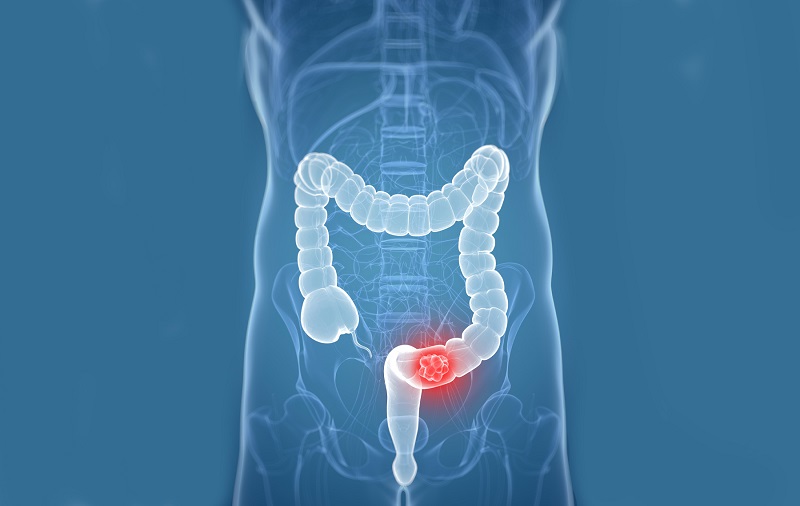
Final Thoughts
Your digestive system can provide important clues about your overall health. Persistent changes in bowel habits, blood in the stool, ongoing abdominal pain, unexplained weight loss, and lasting fatigue are all symptoms that deserve medical attention—not because they automatically indicate colon cancer, but because they may signal an underlying condition that requires evaluation.
The good news is that colon cancer is one of the most preventable and treatable cancers when detected early. Paying attention to your body's warning signs, adopting healthy lifestyle habits, and following recommended screening guidelines can significantly improve the chances of early diagnosis and successful treatment.
Listening to your digestive system today could make an important difference to your health tomorrow.