9 Warning Signs of Diabetes You Shouldn't Ignore
Diabetes is one of the fastest-growing chronic health conditions worldwide. What makes it particularly dangerous is that it often develops gradually, with symptoms that are easy to dismiss as stress, aging, or simply being busy.
The good news is that your body usually gives you warning signs before serious complications develop. Recognizing these symptoms early can help you seek medical care sooner and improve long-term health outcomes.
Here are nine warning signs of diabetes you should never ignore.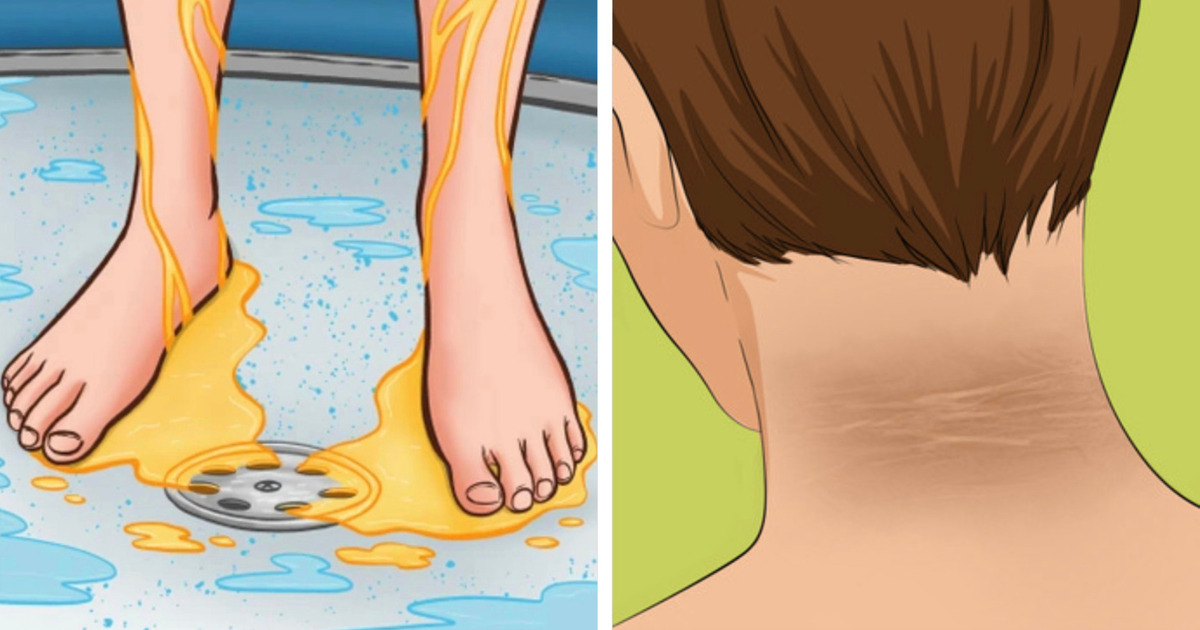
1. Frequent Urination
One of the earliest symptoms of diabetes is needing to urinate more often than usual, especially during the night.
When blood sugar becomes too high, your kidneys work harder to remove excess glucose from your bloodstream. This causes your body to produce more urine, leading to frequent bathroom trips.
2. Constant Thirst
If you always seem thirsty—even after drinking plenty of water—it may be related to elevated blood sugar.
Because frequent urination causes your body to lose fluids, dehydration develops more easily, triggering persistent thirst.
3. Extreme Hunger
Many people with diabetes feel hungry shortly after eating.
Although glucose is circulating in the bloodstream, it isn't entering the body's cells efficiently. As a result, the cells continue signaling that they need more energy, making you feel hungry more often.
4. Unexplained Weight Loss
Losing weight without changing your diet or exercise routine may seem like good news, but it can sometimes indicate diabetes.
When the body can't properly use glucose for energy, it begins breaking down fat and muscle instead, leading to unintended weight loss.
5. Constant Fatigue
Do you feel exhausted no matter how much you sleep?
High blood sugar prevents cells from using glucose efficiently, leaving your body short on usable energy. Persistent fatigue is one of the most common complaints among people with undiagnosed diabetes.
6. Blurred Vision
High blood sugar can temporarily affect the lenses of your eyes, making vision appear blurry or difficult to focus.
If left untreated, diabetes can eventually damage the small blood vessels in the retina, increasing the risk of permanent vision problems.
7. Slow-Healing Cuts and Wounds
Minor cuts, scrapes, or bruises that take much longer than usual to heal may be another warning sign.
Elevated blood sugar can reduce circulation and weaken the immune system, making it harder for your body to repair damaged tissue.
8. Tingling or Numbness in the Hands and Feet
Persistent tingling, burning, or numbness in your hands or feet may indicate nerve damage caused by prolonged high blood sugar.
Although this symptom often develops later, it can sometimes appear before diabetes is officially diagnosed.
9. Frequent Infections

People with diabetes may experience repeated infections, including:
- Urinary tract infections
- Yeast infections
- Skin infections
- Gum infections
High blood sugar creates an environment where bacteria and fungi can grow more easily while also weakening the body's natural defenses.
Who Is Most at Risk?
Anyone can develop diabetes, but certain factors increase the risk, including:
- Being overweight or obese
- Having a family history of diabetes
- Physical inactivity
- High blood pressure
- High cholesterol
- Being over age 45
- A history of gestational diabetes
- Prediabetes
When Should You See a Doctor?

If you've noticed one or more of these symptoms for several weeks, it's important to schedule a medical evaluation.
Simple blood tests—such as a fasting blood glucose test or an A1C test—can determine whether your blood sugar levels are within a healthy range.
Remember that these symptoms don't always mean you have diabetes, but they do deserve medical attention.
How to Reduce Your Risk
Healthy lifestyle habits can significantly lower your risk of developing type 2 diabetes:
- Maintain a healthy weight.
- Stay physically active for at least 150 minutes each week.
- Eat more vegetables, fruits, whole grains, and lean protein.
- Limit sugary drinks and highly processed foods.
- Get enough sleep each night.
- Avoid smoking.
- Schedule regular health checkups, especially if you have risk factors.
Final Thoughts
Diabetes rarely appears overnight. In many cases, your body begins sending subtle warning signs long before serious complications develop.
Frequent urination, excessive thirst, constant fatigue, blurred vision, slow-healing wounds, unexplained weight loss, frequent infections, increased hunger, and tingling in the hands or feet are all symptoms worth paying attention to.
Early diagnosis allows treatment to begin sooner, helping reduce the risk of complications involving the heart, kidneys, nerves, and eyes. If these symptoms sound familiar, consider discussing them with your healthcare provider and asking whether a blood sugar test is appropriate.