Your hands and feet do much more than help you move through daily life - they can also provide valuable clues about your overall health. Because they contain numerous blood vessels, nerves, muscles, joints, and connective tissues, changes in your hands and feet may sometimes reflect underlying medical conditions affecting other parts of the body.
Most symptoms affecting the hands and feet are not caused by serious illness. However, persistent or unexplained changes should never be ignored, especially if they continue for several weeks or are accompanied by other symptoms.
Understanding these early warning signs may encourage you to seek medical advice sooner and help identify health conditions before they become more advanced.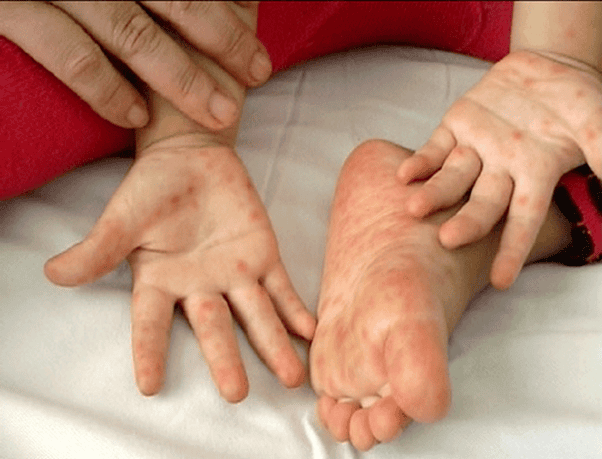
Why the Hands and Feet Reveal So Much About Your Health
The hands and feet are supplied by tiny blood vessels and an extensive network of nerves.
Because of this, problems involving:
-
Blood circulation
-
Nerve function
-
Metabolism
-
Immune disorders
-
Heart health
-
Liver function
-
Kidney disease
-
Diabetes
may first become noticeable in these areas.
Your extremities often provide visible clues long before more obvious symptoms develop.
1. Persistent Numbness or Tingling
Occasional tingling after sitting in an awkward position is completely normal.
However, numbness or tingling that occurs frequently or doesn't go away deserves attention.
Common Symptoms
-
Pins-and-needles sensations
-
Burning feelings
-
Reduced sensation
-
Difficulty feeling temperature
-
Tingling in the fingers or toes
Possible Causes
Persistent numbness may be associated with:
-
Diabetes-related nerve damage
-
Vitamin B12 deficiency
-
Carpal tunnel syndrome
-
Peripheral neuropathy
-
Poor circulation
-
Certain autoimmune conditions
Although many of these conditions are treatable, early diagnosis is important to help prevent further nerve damage.
2. Swelling in the Hands or Feet
Swelling, also known as edema, occurs when excess fluid builds up in body tissues.
You May Notice
-
Puffy fingers
-
Tight rings
-
Swollen ankles
-
Shoes feeling tighter than usual
-
Indentations left by socks
Possible Causes
Swelling can occur for many reasons, including:
-
Standing or sitting for long periods
-
Hot weather
-
Pregnancy
-
Certain medications
Persistent swelling may also be associated with conditions such as:
-
Heart disease
-
Kidney disease
-
Liver disease
-
Venous insufficiency
-
Lymphedema
If swelling appears suddenly, becomes severe, or is accompanied by shortness of breath or chest pain, seek immediate medical attention.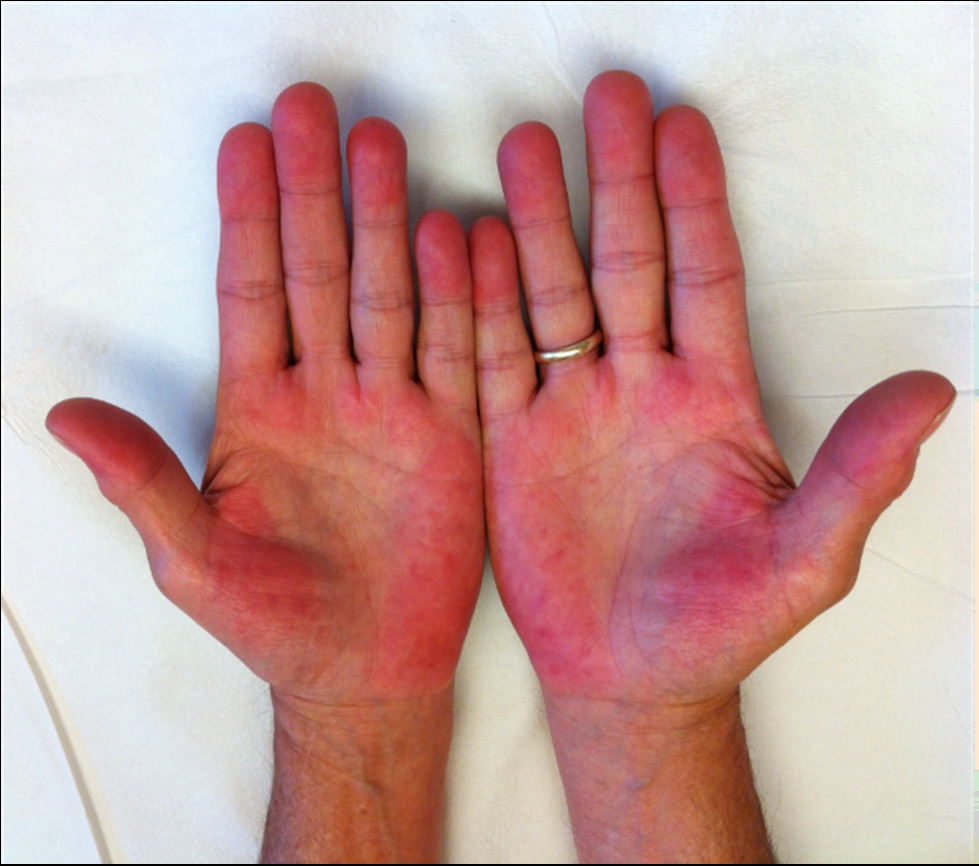
3. Changes in Skin or Nail Appearance
The condition of your skin and nails often reflects overall health.
Watch for Changes Such As
-
Pale skin
-
Bluish fingers or toes
-
Yellow discoloration
-
Thickened nails
-
Spoon-shaped nails
-
Clubbing (rounded enlargement of fingertips)
-
Non-healing sores
What These Changes Might Mean
Different nail and skin changes may be linked to:
-
Iron deficiency
-
Poor circulation
-
Lung disease
-
Heart disease
-
Liver disease
-
Autoimmune disorders
For example, finger clubbing has been associated with certain lung and heart conditions, while pale nails may sometimes indicate anemia.
Although these signs are not specific to one disease, they deserve evaluation when persistent.
4. Cold Hands and Feet That Occur Frequently
Many people naturally have cold hands during winter.
However, hands and feet that remain unusually cold—even in warm environments—may suggest an underlying circulation problem.
Possible Symptoms
-
Fingers turning white or blue
-
Cold toes
-
Pain when exposed to cold
-
Delayed warming after cold exposure
Potential Causes
Persistent cold extremities may be related to:
-
Raynaud's phenomenon
-
Peripheral artery disease
-
Thyroid disorders
-
Anemia
-
Poor circulation
If cold hands or feet are accompanied by color changes, ulcers, or significant pain, medical evaluation is recommended.
Other Warning Signs That May Appear
Although the four symptoms above are among the most common, additional changes in the hands and feet may also deserve attention.
Frequent Muscle Cramps
Recurring cramps may result from:
-
Dehydration
-
Electrolyte imbalances
-
Nerve disorders
-
Circulation problems
Slow-Healing Wounds
Cuts or blisters that take an unusually long time to heal may occur in people with:
-
Diabetes
-
Poor circulation
-
Immune disorders
Proper wound care and medical evaluation are important to prevent infection.
Color Changes
Hands or feet that become:
-
Blue
-
Purple
-
Very pale
-
Bright red
should not be ignored if the changes occur repeatedly or persist.
Persistent Pain
Pain without an obvious injury may indicate problems involving:
-
Joints
-
Nerves
-
Blood vessels
-
Bones
Chronic pain deserves professional evaluation.
Conditions That May Affect the Hands and Feet
Numerous health conditions can cause symptoms in the extremities.
Examples include:
-
Diabetes
-
Peripheral neuropathy
-
Peripheral artery disease
-
Rheumatoid arthritis
-
Lupus
-
Thyroid disorders
-
Kidney disease
-
Liver disease
-
Heart disease
-
Vitamin deficiencies
Because many conditions produce similar symptoms, self-diagnosis is not recommended.
Healthy Habits That Support Hand and Foot Health
Simple lifestyle choices can help maintain healthy circulation and nerve function.
Stay Physically Active
Regular exercise helps:
-
Improve circulation
-
Strengthen muscles
-
Support healthy blood vessels
Eat a Balanced Diet
Focus on foods rich in:
-
Fruits
-
Vegetables
-
Whole grains
-
Lean proteins
-
Healthy fats
Adequate intake of vitamins such as B12 and minerals like magnesium supports normal nerve and muscle function.
Don't Smoke
Smoking damages blood vessels and reduces circulation to the hands and feet.
Quitting smoking benefits nearly every organ in the body.
Manage Chronic Conditions
If you have diabetes, high blood pressure, or high cholesterol, following your treatment plan can help reduce complications affecting the extremities.
Wear Comfortable Footwear
Properly fitting shoes help reduce pressure, improve comfort, and lower the risk of foot injuries.
When Should You See a Doctor?
Arrange a medical evaluation if you experience:
-
Persistent numbness or tingling
-
Swelling that doesn't improve
-
Color changes in the fingers or toes
-
Non-healing wounds
-
Severe or unexplained pain
-
Sudden weakness
-
Cold hands or feet with skin discoloration
These symptoms often have causes other than serious disease, but they should not be ignored.
Common Myths About Hand and Foot Symptoms
Myth 1: Tingling Is Always Due to Poor Circulation
Nerve problems, vitamin deficiencies, and other medical conditions can also cause tingling.
Myth 2: Swollen Feet Are Just Part of Aging
Persistent swelling is not a normal consequence of aging and should be evaluated if it continues.
Myth 3: Cold Hands Mean Poor Health
Some people naturally have colder hands and feet. However, persistent symptoms or color changes may require medical attention.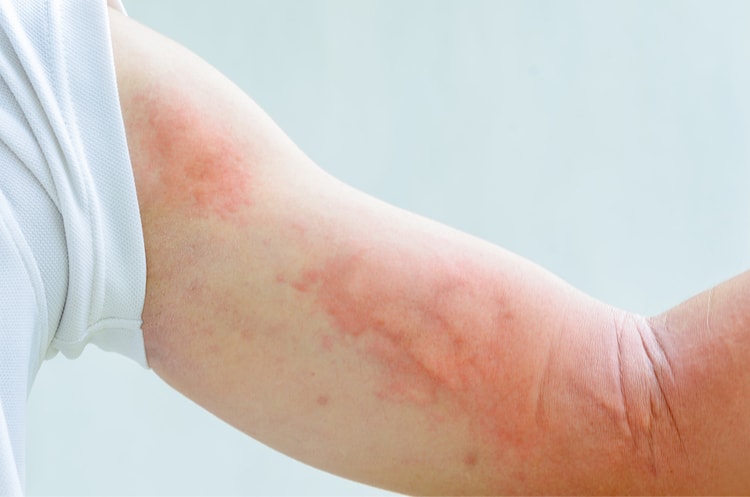
Final Thoughts
Your hands and feet can provide valuable insights into your overall health. Persistent numbness or tingling, swelling, skin or nail changes, and unusually cold extremities may all serve as early warning signs that something in the body deserves closer attention.
These symptoms do not necessarily indicate a serious illness, and they are often caused by treatable conditions. However, when they persist, worsen, or occur alongside other concerning symptoms, seeking medical evaluation is the safest course of action.
Listening to your body's signals and acting early can help identify health conditions sooner, allowing for more effective treatment and better long-term outcomes. Sometimes the smallest changes in your hands and feet can provide important clues about what's happening throughout the rest of your body.