Recognizing Fatty Liver Disease Early: 6 Warning Signs You Shouldn't Ignore
Fatty liver disease is becoming increasingly common, affecting millions of people worldwide. The condition occurs when excess fat builds up in the liver, often due to obesity, insulin resistance, type 2 diabetes, unhealthy eating habits, or excessive alcohol consumption. In recent years, the condition previously known as nonalcoholic fatty liver disease (NAFLD) has been renamed metabolic dysfunction-associated steatotic liver disease (MASLD).
One of the biggest challenges is that fatty liver disease often develops silently. Many people have no noticeable symptoms until the disease has progressed. However, when symptoms do appear, your body may be trying to tell you that your liver needs attention.
Here are six warning signs that deserve medical evaluation.
1. Persistent Fatigue
Feeling unusually tired is one of the most common complaints among people with fatty liver disease.
This isn't the normal tiredness that improves after a good night's sleep. Instead, you may feel constantly drained, lack motivation, or find everyday activities more exhausting than usual.
Because the liver plays a major role in metabolism and energy production, liver dysfunction may contribute to ongoing fatigue. However, fatigue has many possible causes and is not specific to liver disease. Persistent or unexplained fatigue should be discussed with a healthcare professional.
2. Pain or Discomfort in the Upper Right Abdomen
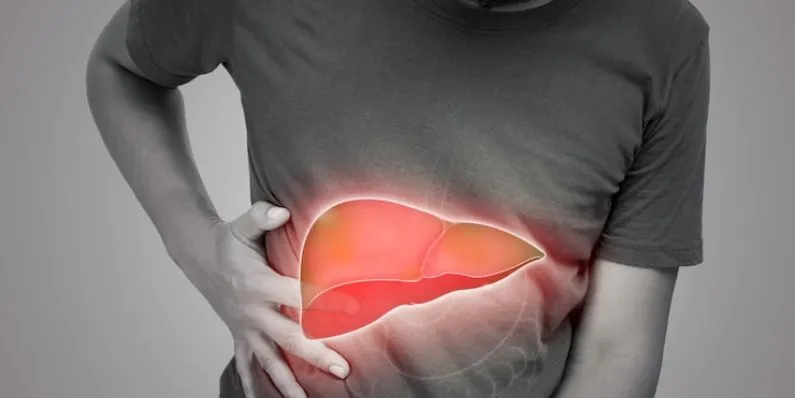
Your liver sits beneath the right side of your rib cage.
As fat accumulates and the liver enlarges, some people experience:
- A dull ache
- A feeling of pressure
- Mild discomfort under the right ribs
- A sensation of fullness after eating
While this symptom alone doesn't confirm fatty liver disease, it should not be ignored if it continues or worsens.
3. Unexplained Weakness
Many people describe feeling physically weaker than usual.
Simple activities such as climbing stairs, carrying groceries, or exercising may suddenly feel more difficult.
Because the liver is involved in storing nutrients and regulating metabolism, liver problems can sometimes contribute to reduced stamina.
4. Loss of Appetite or Feeling Unwell
Although early fatty liver disease often causes no symptoms, some individuals report:
- Reduced appetite
- Mild nausea
- Feeling generally unwell
- A sense that "something isn't right"
These symptoms are nonspecific but deserve attention, especially if they persist for several weeks.
5. Yellowing of the Skin or Eyes

Yellowing of the skin or the whites of the eyes—known as jaundice—is not usually an early sign of simple fatty liver. It is more often associated with advanced liver damage, significant inflammation, or cirrhosis.
If you notice jaundice, seek prompt medical evaluation, as it may indicate a serious liver condition that requires immediate attention.
6. Swelling in the Abdomen or Legs
As liver disease advances, fluid may begin to accumulate in the abdomen (ascites) or the legs and ankles.
You may notice:
- Tight-fitting clothes
- Swollen ankles
- Puffiness in the lower legs
- A rapidly enlarging abdomen
These symptoms are not typical of early fatty liver but can signal advanced liver disease and should be evaluated urgently.
Who Is Most at Risk?
Fatty liver disease is more likely in people who have:
- Excess body weight or obesity
- Type 2 diabetes or prediabetes
- High cholesterol or triglycerides
- High blood pressure
- Metabolic syndrome
- A sedentary lifestyle
- Excessive alcohol consumption (for alcohol-related fatty liver disease)
However, even people with a normal body weight can develop fatty liver disease.
How Is Fatty Liver Disease Diagnosed?
Because early fatty liver often causes few or no symptoms, it is frequently discovered during routine medical testing.
Your healthcare provider may recommend:
- Blood tests to check liver enzymes
- An abdominal ultrasound
- FibroScan® (transient elastography) to assess liver stiffness and fat
- CT or MRI scans in selected cases
- Additional testing if more advanced liver disease is suspected
Can Fatty Liver Disease Be Reversed?
For many people, the answer is yes—especially when caught early.
Lifestyle changes are the cornerstone of treatment and may include:
- Losing excess weight gradually if recommended
- Eating more vegetables, fruits, whole grains, and lean protein
- Limiting sugary drinks and ultra-processed foods
- Exercising regularly
- Managing blood sugar, cholesterol, and blood pressure
- Limiting or avoiding alcohol, depending on the cause of liver disease
Even a modest amount of weight loss can reduce liver fat and improve liver health in many individuals.
When Should You See a Doctor?
You should schedule a medical evaluation if you experience:
- Persistent fatigue
- Ongoing discomfort in the upper right abdomen
- Unexplained weakness
- Lasting nausea or loss of appetite
- Yellowing of the skin or eyes
- Swelling of the abdomen or legs
Remember that these symptoms do not necessarily mean you have fatty liver disease. Many other conditions can cause similar symptoms, which is why proper medical evaluation is important.
The Bottom Line
Fatty liver disease is often called a "silent" condition because it may develop without obvious symptoms. When symptoms do occur, they are frequently vague and easy to overlook.
Paying attention to persistent fatigue, abdominal discomfort, weakness, changes in appetite, or more serious signs such as jaundice and swelling can help you seek care before significant liver damage develops.
Early diagnosis, regular checkups, and healthy lifestyle changes remain the best ways to protect your liver and reduce the risk of long-term complications.