When most people think about fatty liver disease, they imagine a condition that affects only the liver. However, the liver is deeply connected to nearly every system in the body. As liver function becomes impaired, symptoms may appear far beyond the abdomen including in the skin, legs, and even the feet.
Although fatty liver disease often develops silently in its early stages, more advanced liver damage may produce physical changes that are noticeable in the lower extremities. While these signs do not automatically confirm liver disease, they should never be ignored, especially when accompanied by other symptoms.
Understanding how your feet may reflect your liver health can encourage earlier medical evaluation and help prevent complications.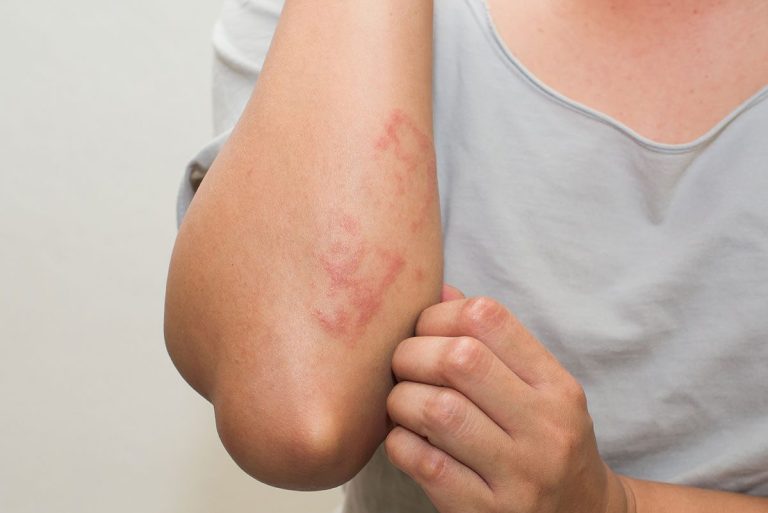
What Is Fatty Liver Disease?
Fatty liver disease occurs when excess fat accumulates inside liver cells.
There are two main types:
-
Non-alcoholic fatty liver disease (NAFLD): Now increasingly referred to as metabolic dysfunction-associated steatotic liver disease (MASLD), this type is commonly associated with obesity, insulin resistance, type 2 diabetes, and metabolic syndrome.
-
Alcohol-related liver disease (ALD): Caused by long-term excessive alcohol consumption.
In its early stages, fatty liver disease may cause no symptoms at all.
However, if left untreated, it may progress to:
-
Liver inflammation
-
Fibrosis (scarring)
-
Cirrhosis
-
Liver failure in severe cases
Not everyone with fatty liver disease will experience this progression, but early intervention greatly improves outcomes.
Why Can Liver Problems Affect the Feet?
The liver plays an essential role in:
-
Filtering toxins
-
Producing proteins
-
Regulating fluid balance
-
Supporting circulation
-
Processing nutrients
-
Maintaining normal blood clotting
When liver function declines significantly, these processes may become disrupted.
As a result, symptoms can appear in areas far from the liver—including the feet and ankles.
1. Swollen Feet and Ankles
One of the most common foot-related symptoms of advanced liver disease is swelling.
What It Looks Like
You may notice:
-
Puffy ankles
-
Swollen feet
-
Tight shoes that suddenly feel uncomfortable
-
Socks leaving deep marks on the skin
Why It Happens
The liver produces albumin, a protein that helps keep fluid inside blood vessels.
When liver function declines, albumin levels may fall.
Fluid can then leak into surrounding tissues, leading to swelling known as edema.
Although edema has many possible causes—including heart disease, kidney disease, and venous insufficiency—it is also seen in advanced liver disease.
2. Persistent Itching on the Feet
Many people associate itching with dry skin or allergies.
However, persistent itching without an obvious rash may sometimes occur in liver disease.
Why Does It Happen?
Researchers believe that changes in bile flow and the accumulation of certain substances in the body may contribute to itching.
The itching may affect:
-
Soles of the feet
-
Ankles
-
Legs
-
Hands
-
Entire body
Symptoms often become more noticeable at night.
3. Skin Color Changes
Advanced liver disease may occasionally lead to changes in skin appearance.
Some people notice:
-
Yellowish skin (jaundice)
-
Darkened patches
-
Increased redness on the soles of the feet (plantar erythema)
Plantar Erythema
Plantar erythema refers to unusual redness affecting the soles of the feet.
Although it has several possible causes, it has been associated with chronic liver disease in some individuals.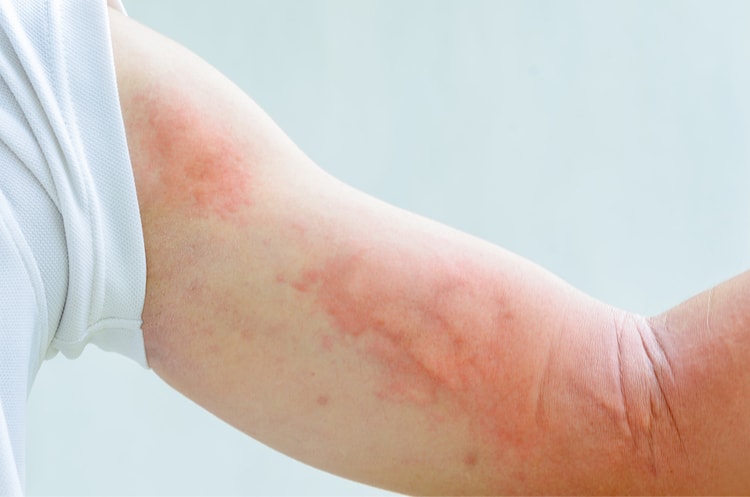
4. Easy Bruising
Healthy liver function is important for producing proteins involved in blood clotting.
When liver function declines, people may bruise more easily.
You may notice:
-
Bruises on the feet
-
Bruises on the lower legs
-
Bruises after minor bumps
Persistent or unexplained bruising should always be evaluated by a healthcare professional.
5. Muscle Cramps
Frequent leg or foot cramps may occur in individuals with advanced liver disease.
Possible contributing factors include:
-
Electrolyte imbalances
-
Changes in circulation
-
Muscle fatigue
-
Altered nerve function
Nighttime cramps are commonly reported.
Other Symptoms That May Accompany Foot Changes
Foot symptoms rarely occur alone.
Other signs of liver disease may include:
Fatigue
Persistent tiredness that doesn't improve with rest.
Pain or Fullness in the Upper Right Abdomen
Some individuals experience discomfort beneath the right rib cage.
Loss of Appetite
Reduced interest in eating may develop gradually.
Nausea
Digestive symptoms can occur as liver function changes.
Dark Urine
Changes in urine color may indicate problems involving bilirubin metabolism.
Pale Stools
Reduced bile flow may affect stool color.
Yellow Eyes or Skin
Jaundice is one of the more recognizable signs of advanced liver dysfunction.
Who Is at Greater Risk?
Several factors increase the likelihood of developing fatty liver disease.
These include:
-
Obesity
-
Type 2 diabetes
-
High cholesterol
-
High triglycerides
-
High blood pressure
-
Metabolic syndrome
-
Excess alcohol consumption
-
Physical inactivity
Many people with fatty liver disease have more than one of these risk factors.
Can Fatty Liver Disease Be Reversed?
This depends on the stage of the disease.
Early Fatty Liver
In many cases, early fatty liver can improve through lifestyle changes such as:
-
Weight loss
-
Regular exercise
-
Healthy eating
-
Blood sugar control
-
Reducing alcohol intake when appropriate
Advanced Fibrosis or Cirrhosis
Once significant scarring (cirrhosis) develops, the damage is generally considered permanent.
However, treatment can often slow progression, reduce complications, and improve quality of life.
This is why early diagnosis is so important.
How to Support Liver Health
Lifestyle choices have a major impact on liver health.
Maintain a Healthy Weight
Even modest weight loss may improve fatty liver in many individuals.
Eat a Balanced Diet
Focus on:
-
Vegetables
-
Fruits
-
Whole grains
-
Lean proteins
-
Healthy fats
Limit:
-
Sugary beverages
-
Highly processed foods
-
Excess saturated fat
Exercise Regularly
Aim for at least 150 minutes of moderate physical activity each week.
Manage Blood Sugar
Keeping blood sugar within a healthy range helps reduce the risk of liver disease progression.
Limit Alcohol
If you have liver disease, discuss alcohol use with your healthcare provider.
When Should You See a Doctor?
Seek medical evaluation if you notice:
-
Persistent swelling in the feet or ankles
-
Yellowing of the eyes or skin
-
Severe itching
-
Unexplained bruising
-
Ongoing fatigue
-
Abdominal swelling
-
Dark urine or pale stools
Simple blood tests, imaging studies, and, in some cases, specialized liver assessments can help determine the cause of your symptoms.
Common Myths About Fatty Liver Disease
Myth 1: Only Heavy Drinkers Get Fatty Liver
Most cases today are related to metabolic health rather than alcohol.
Myth 2: Fatty Liver Always Causes Pain
Many people experience no symptoms during the early stages.
Myth 3: Swollen Feet Always Mean Liver Disease
Swelling has many possible causes, including heart disease, kidney disease, venous disorders, medications, and prolonged standing. A medical evaluation is necessary to determine the underlying cause.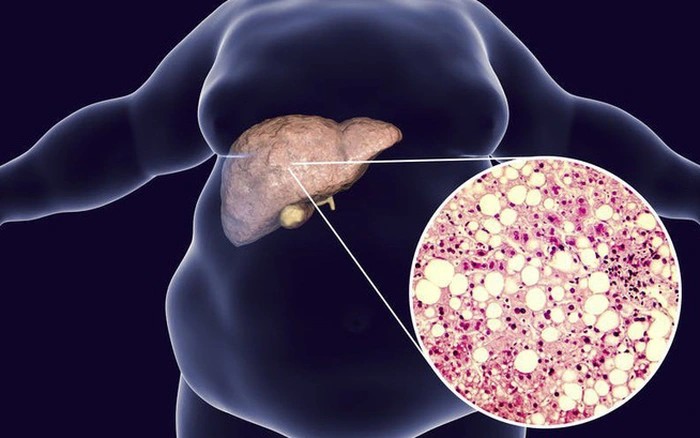
Final Thoughts
Fatty liver disease is more than a liver problem - it can affect multiple systems throughout the body. As the condition progresses, signs such as swollen feet and ankles, persistent itching, skin changes, muscle cramps, and easy bruising may appear, reflecting changes in circulation, protein production, and fluid balance.
These symptoms do not necessarily mean you have liver disease, but they should not be ignored, particularly if they occur alongside fatigue, jaundice, abdominal discomfort, or other concerning changes.
The earlier fatty liver disease is detected, the greater the opportunity to slow or even reverse its progression in many cases. Paying attention to subtle changes—including those in your feet—may help protect your liver and your overall health for years to come.