Peanuts are one of the most popular snacks in the world. Whether eaten roasted, boiled, blended into peanut butter, or sprinkled over salads and desserts, they are both delicious and packed with nutrients. Rich in protein, healthy fats, fiber, vitamins, and minerals, peanuts have earned their place as a staple in many healthy diets.
However, despite their impressive nutritional profile, eating too many peanuts can have unwanted effects. Like many healthy foods, moderation is key. Overeating peanuts may contribute to excessive calorie intake, digestive discomfort, increased sodium consumption (if salted), and other issues depending on your individual health and dietary needs.
Let's take a closer look at what happens when you consume too many peanuts and how you can enjoy them as part of a balanced lifestyle.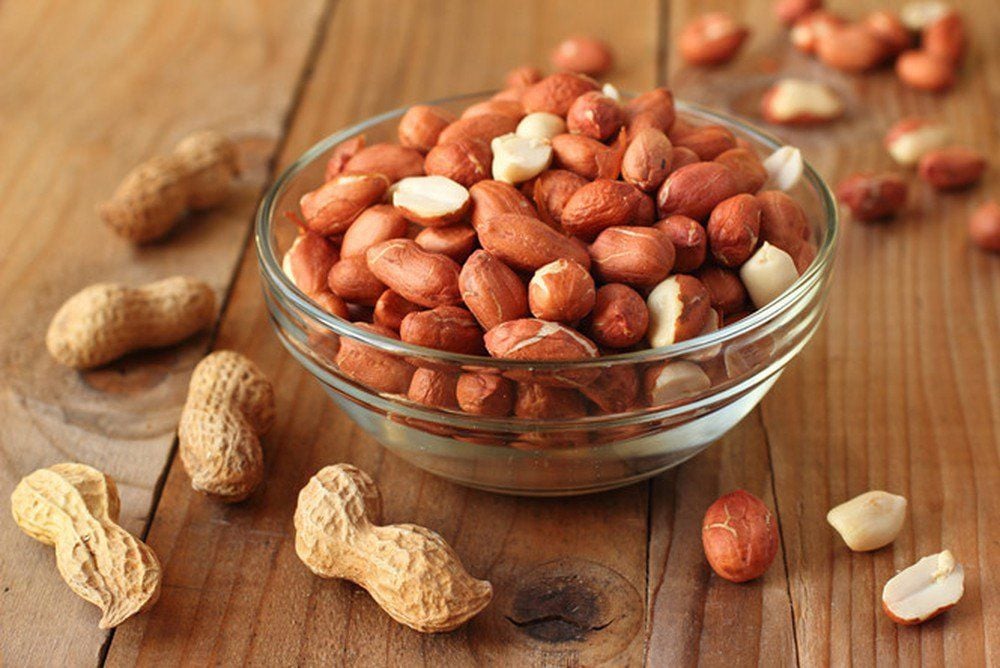
Why Are Peanuts Considered Healthy?
Peanuts are technically legumes, but nutritionally they share many characteristics with tree nuts.
They are an excellent source of:
-
Plant-based protein
-
Healthy monounsaturated and polyunsaturated fats
-
Dietary fiber
-
Vitamin E
-
Niacin (Vitamin B3)
-
Folate
-
Magnesium
-
Phosphorus
-
Potassium
-
Zinc
-
Copper
-
Antioxidants
These nutrients support many aspects of overall health.
Potential Health Benefits of Peanuts
When eaten in appropriate portions, peanuts may help support:
-
Heart health
-
Healthy cholesterol levels
-
Muscle maintenance
-
Blood sugar management
-
Long-lasting fullness
-
Healthy brain function
-
Overall nutrient intake
Many studies suggest that regularly consuming nuts and legumes as part of a balanced diet is associated with improved cardiovascular health.
1. You May Consume More Calories Than You Realize
One of the biggest concerns with overeating peanuts is their calorie density.
Although they contain healthy fats, those fats still provide significant energy.
A small handful of peanuts contains far fewer calories than an entire bowl.
Because peanuts are easy to snack on while watching television or working, many people unknowingly eat much larger portions than intended.
Over time, consistently consuming excess calories may contribute to gradual weight gain if they are not balanced with physical activity and overall energy needs.
2. Digestive Discomfort
Peanuts contain dietary fiber, which is beneficial for digestive health.
However, eating very large amounts—especially if your body is not used to high-fiber foods—may cause:
-
Bloating
-
Gas
-
Stomach discomfort
-
Abdominal cramps
Drinking enough water and gradually increasing fiber intake can help reduce these effects.
3. Too Much Sodium From Salted Peanuts
Many packaged peanuts are heavily salted.
Eating large amounts of salted peanuts may increase sodium intake.
Excess sodium has been associated with:
-
Elevated blood pressure in some individuals
-
Water retention
-
Increased cardiovascular risk when consumed excessively over time
Choosing unsalted or lightly salted peanuts is often the healthier option.
4. Increased Intake of Added Oils and Flavorings
Some commercial peanut products are coated with:
-
Sugar
-
Honey
-
Chocolate
-
Artificial flavorings
-
Extra oils
These additions may significantly increase calories, sugar, and saturated fat.
Reading nutrition labels can help you make informed choices.
5. Possible Allergic Reactions
Peanut allergy is one of the most common food allergies worldwide.
Symptoms may include:
-
Hives
-
Itching
-
Swelling of the lips or throat
-
Difficulty breathing
-
Dizziness
A severe allergic reaction, known as anaphylaxis, is a medical emergency that requires immediate treatment.
People with known peanut allergies should avoid peanuts completely.
6. Digestive Issues in Sensitive Individuals
Some people may notice that eating large amounts of peanuts worsens symptoms of certain digestive conditions.
These may include:
-
Irritable bowel syndrome (IBS)
-
Acid reflux
-
Sensitive stomach
Tolerance varies from person to person.
Reducing portion size may improve comfort for some individuals.
7. Risk of Aflatoxin Exposure
Peanuts can occasionally become contaminated with aflatoxins, natural toxins produced by certain molds during storage.
In many countries, food safety regulations carefully monitor peanut products to keep aflatoxin levels within strict safety limits.
Buying peanuts from reputable manufacturers and storing them properly helps minimize this risk.
8. Nutrient Balance Matters
Although peanuts are nutritious, relying too heavily on one food may reduce dietary variety.
A healthy eating pattern should also include:
-
Fruits
-
Vegetables
-
Whole grains
-
Legumes
-
Fish
-
Lean proteins
-
Dairy or fortified alternatives
-
Other nuts and seeds
Variety helps ensure a broad range of nutrients.
How Much Is a Healthy Serving?
For most healthy adults, a reasonable serving is approximately:
1 ounce (28 grams), or about one small handful per day.
This amount provides beneficial nutrients while helping keep calorie intake balanced.
Individual needs may vary depending on age, activity level, and overall diet.
Which Peanuts Are the Healthiest?
Some choices are healthier than others.
Better Options
-
Dry-roasted peanuts
-
Unsalted peanuts
-
Plain boiled peanuts (with little or no added salt)
-
Natural peanut butter containing only peanuts (and possibly a small amount of salt)
Options to Limit
-
Honey-roasted peanuts
-
Sugar-coated peanuts
-
Chocolate-covered peanuts
-
Heavily salted varieties
-
Peanut snacks fried in additional oils
Peanuts and Heart Health
Peanuts contain healthy unsaturated fats that may support heart health when they replace less healthy sources of saturated fat.
They also provide:
-
Magnesium
-
Arginine
-
Antioxidants
-
Plant sterols
These nutrients are associated with maintaining normal cardiovascular function as part of a balanced diet.
Peanuts and Blood Sugar
Despite containing carbohydrates, peanuts have a relatively low glycemic impact because they also provide protein, healthy fats, and fiber.
For many people with diabetes, peanuts can fit into a healthy meal plan.
However, portion control remains important because of their calorie density.
Tips for Enjoying Peanuts Wisely
To maximize the benefits:
-
Stick to moderate portion sizes.
-
Choose unsalted or lightly salted varieties.
-
Avoid heavily sweetened products.
-
Pair peanuts with fresh fruit for a balanced snack.
-
Store peanuts in a cool, dry place.
-
Include a variety of nuts and seeds in your diet rather than relying on peanuts alone.
Common Myths About Peanuts
Myth 1: Peanuts Always Cause Weight Gain
Peanuts do not automatically cause weight gain.
Weight changes depend on total calorie intake and overall lifestyle.
Moderate portions can fit into a healthy eating pattern.
Myth 2: Peanuts Are Unhealthy Because They Contain Fat
Most of the fat in peanuts is unsaturated fat, which is generally considered heart-friendly when eaten in moderation.
Myth 3: Peanut Butter Is Always Healthy
Some peanut butters contain added sugars, hydrogenated oils, and excess salt.
Natural peanut butter with minimal ingredients is usually the healthier choice.
When Should You Limit Peanuts?
You may need personalized advice if you have:
-
A peanut allergy
-
Advanced kidney disease
-
Specific calorie restrictions
-
Certain digestive disorders
Your healthcare provider or registered dietitian can recommend an appropriate amount based on your individual needs.
Final Thoughts
Peanuts are a nutritious, satisfying, and versatile food that can be part of a healthy diet. They provide plant-based protein, healthy fats, fiber, vitamins, minerals, and antioxidants that support overall wellness.
However, eating too many peanuts may lead to excessive calorie intake, digestive discomfort, increased sodium consumption (if salted), or other concerns depending on your health and dietary habits. For most people, enjoying a small handful of plain or lightly salted peanuts each day is a simple way to gain their nutritional benefits without overdoing it.
Remember, healthy eating is not about avoiding nutritious foods—it is about balance, variety, and moderation. By paying attention to portion sizes and choosing minimally processed peanut products, you can enjoy this popular snack while supporting your long-term health.