As people get older, many notice changes in hair growth that they never expected. One of the most common is the appearance of hair around or inside the ears, particularly in men. While some view it as simply a cosmetic concern, others wonder whether ear hair could be a sign of an underlying health problem.
The good news is that, in most cases, ear hair is a normal part of aging and is influenced by genetics and hormones rather than disease. However, understanding why ear hair develops and when it might deserve medical attention can help separate myths from facts.
Let's take a closer look at what ear hair may mean and what science says about it.
What Is Ear Hair?
Hair can grow in two different areas of the ear:
-
Around the outer edge of the ear (the pinna)
-
Inside the entrance to the ear canal
Both types serve useful purposes.
Small hairs inside the ear canal help:
-
Trap dust
-
Prevent insects from entering
-
Reduce the amount of debris reaching the eardrum
-
Work together with earwax to protect the ear
These tiny hairs are an important part of the ear's natural defense system.
Why Does Ear Hair Become More Noticeable?
Several factors influence ear hair growth.
1. Aging
The most common reason is simply getting older.
As people age, hormone levels change and hair follicles respond differently.
Many men notice:
-
Thicker eyebrow hair
-
Longer nose hair
-
Increased ear hair
-
Hair growth in new areas
These changes are considered a normal part of aging.
Women may also develop additional facial or ear hair after menopause due to hormonal changes, although it is generally less noticeable.
2. Genetics
Family history plays a major role.
If your father or grandfather had prominent ear hair, you may be more likely to develop it as well.
Genetics largely determine:
-
Hair thickness
-
Hair color
-
Growth rate
-
Hair distribution
This explains why some people develop significant ear hair while others have very little.
3. Hormones
Male hormones, particularly androgens such as testosterone and its byproducts, influence hair growth throughout the body.
As hair follicles age, their sensitivity to these hormones changes.
This is why men often experience:
-
More ear hair
-
More nose hair
-
Increased facial hair
at the same time they may notice thinning hair on the scalp.
Does Ear Hair Mean You Have a Health Problem?
For most people, no.
Ear hair by itself is not considered a reliable sign of disease.
It usually reflects:
-
Normal aging
-
Genetic factors
-
Hormonal influences
However, if you notice sudden or dramatic changes in hair growth throughout your body, especially when accompanied by other symptoms, it's worth discussing with a healthcare professional.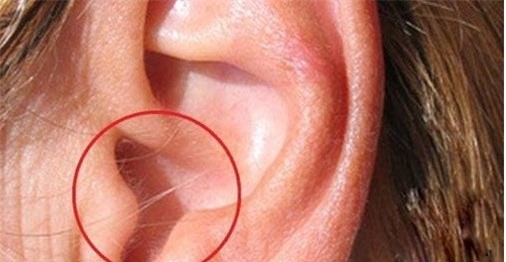
What About Heart Disease?
You may have heard claims that ear hair is linked to heart disease.
This idea originated from studies that examined features such as:
-
Ear canal hair
-
Ear lobe creases
-
Hair growth patterns
Some early research suggested there might be an association between certain physical characteristics and cardiovascular disease.
What Does Current Research Say?
The evidence remains mixed and inconclusive.
Scientists have not established ear hair as a reliable predictor of heart disease.
Major cardiovascular guidelines do not use ear hair as a screening tool.
Instead, proven risk factors include:
-
High blood pressure
-
High cholesterol
-
Smoking
-
Diabetes
-
Obesity
-
Physical inactivity
-
Family history
These factors are far more important for assessing heart health.
Can Ear Hair Affect Hearing?
Ear hair itself usually does not cause hearing loss.
However, excessive hair inside the ear canal may occasionally:
-
Trap earwax
-
Contribute to wax buildup
-
Make cleaning more difficult
In some cases, impacted earwax may temporarily reduce hearing until it is safely removed.
Should You Remove Ear Hair?
This is largely a matter of personal preference.
Many people choose to trim ear hair for cosmetic reasons.
Safe options include:
-
Electric ear trimmers
-
Rounded-tip grooming scissors
-
Professional grooming services
Avoid inserting sharp objects deep into the ear canal, as this may damage the delicate skin or eardrum.
Is Wax More Likely to Build Up?
Possibly.
Long ear hairs may catch more earwax.
When wax accumulates excessively, symptoms may include:
-
A feeling of fullness
-
Temporary hearing loss
-
Ringing in the ears
-
Ear discomfort
If this occurs, seek professional earwax removal rather than attempting to remove it with cotton swabs or sharp tools.
When Should You See a Doctor?
Ear hair alone is rarely a reason for concern.
However, medical evaluation is appropriate if you experience:
-
Sudden hearing loss
-
Persistent ear pain
-
Bleeding from the ear
-
Drainage or pus
-
Dizziness
-
Significant changes in hearing
These symptoms are unrelated to normal ear hair growth and may indicate another condition requiring treatment.
How to Care for Healthy Ears
Simple habits can help maintain ear health.
Keep Ears Clean—But Gently
The ears usually clean themselves naturally.
Avoid inserting:
-
Cotton swabs deep into the ear
-
Hairpins
-
Keys
-
Sharp objects
These can push wax deeper or injure the ear canal.
Protect Your Hearing
Reduce the risk of hearing damage by:
-
Lowering headphone volume
-
Wearing hearing protection in noisy environments
-
Limiting prolonged exposure to loud sounds
Manage Earwax Safely
If earwax becomes problematic, seek advice from a healthcare professional instead of attempting aggressive cleaning at home.
Common Myths About Ear Hair
Myth 1: Ear Hair Means You Have Heart Disease
Current scientific evidence does not support using ear hair as a reliable indicator of cardiovascular disease.
Myth 2: Ear Hair Should Always Be Removed
Ear hair has a protective function.
Removing visible hair is optional and mainly cosmetic.
Myth 3: More Ear Hair Means Higher Testosterone
While hormones influence hair growth, the amount of ear hair depends on many factors, including age and genetics.
It cannot be used to accurately estimate hormone levels.
Healthy Lifestyle Matters More
If you're concerned about your long-term health, focus on factors that truly make a difference:
-
Eat a balanced diet rich in fruits and vegetables.
-
Stay physically active.
-
Maintain a healthy weight.
-
Avoid smoking.
-
Limit alcohol consumption.
-
Monitor blood pressure, cholesterol, and blood sugar.
-
Attend regular health checkups.
These habits have a much greater impact on health than the presence or absence of ear hair.
Final Thoughts
Ear hair is a common and completely normal feature that becomes more noticeable with age, especially in men. In most cases, it reflects natural hormonal changes and genetic factors rather than an underlying medical problem.
Although myths have linked ear hair to conditions such as heart disease, current scientific evidence does not support using ear hair as a reliable sign of illness. Instead of worrying about ear hair itself, pay attention to well-established health indicators such as blood pressure, cholesterol levels, blood sugar, and overall lifestyle.
If ear hair bothers you cosmetically, gentle trimming is generally safe. But remember, those small hairs also serve a useful purpose by helping protect your ears from dust and debris. Sometimes, what seems like an inconvenience is actually part of your body's natural defense system.