Facial hair is completely natural and varies from person to person. Genetics, hormones, age, and ethnicity all influence how much facial hair someone has. While some people choose to embrace it, others prefer to remove facial hair for cosmetic or personal reasons.
Fortunately, there are many safe and effective ways to manage unwanted facial hair. The best method depends on factors such as your skin type, hair thickness, pain tolerance, budget, and whether you're looking for a temporary or longer-lasting solution.
If you're unsure which option is right for you, this guide explains the most common facial hair removal techniques, their advantages, potential drawbacks, and tips for protecting your skin.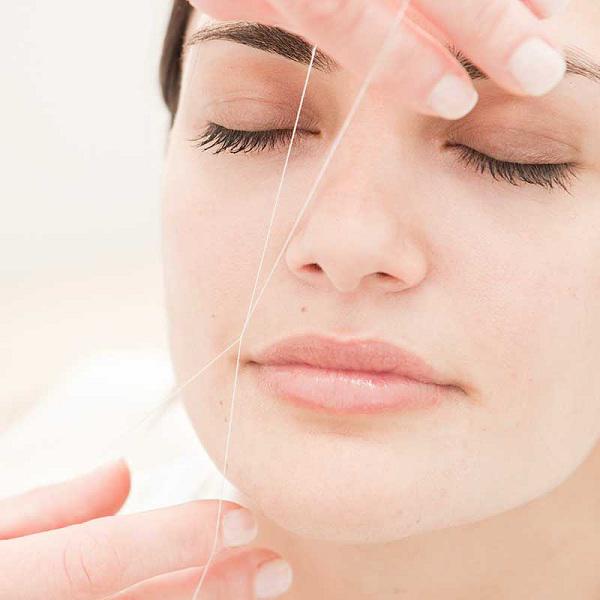
Is Facial Hair Normal?
Absolutely.
Nearly everyone has fine facial hair known as vellus hair.
Some people also develop thicker, darker terminal hair, especially around the:
-
Upper lip
-
Chin
-
Jawline
-
Sideburns
-
Neck
Hormonal changes, genetics, menopause, and certain medical conditions may all influence facial hair growth.
Having facial hair is normal and does not necessarily indicate a health problem.
1. Shaving
Shaving is one of the quickest and easiest ways to remove facial hair.
Advantages
-
Fast
-
Inexpensive
-
Painless for most people
-
Easy to perform at home
Disadvantages
-
Hair grows back quickly
-
Requires frequent maintenance
-
May cause razor irritation if done improperly
Does Shaving Make Hair Grow Thicker?
No.
This is one of the most common myths.
Shaving cuts the hair at the surface of the skin.
As it grows back, the blunt tip may feel coarser, but shaving does not change the thickness, color, or growth rate of the hair.
2. Tweezing
Tweezing removes individual hairs directly from the follicle.
Best For
-
Eyebrows
-
Chin hairs
-
Small areas
Advantages
-
Inexpensive
-
Precise
-
Results last longer than shaving
Disadvantages
-
Can be uncomfortable
-
Time-consuming for larger areas
-
May occasionally cause ingrown hairs
3. Waxing
Waxing removes multiple hairs from the root.
Advantages
-
Smooth skin for several weeks
-
Hair regrowth is slower than shaving
-
Suitable for larger facial areas
Disadvantages
-
Can be painful
-
May temporarily irritate sensitive skin
-
Not recommended immediately after certain skincare treatments such as retinoids or chemical peels
Always perform a patch test before trying a new wax product.
4. Threading
Threading is a traditional hair removal technique that uses twisted cotton thread to remove hairs from the follicle.
Best For
-
Eyebrows
-
Upper lip
-
Sideburns
Advantages
-
Very precise
-
No chemicals involved
-
Suitable for many people with sensitive skin
Disadvantages
-
Mild discomfort
-
Requires practice or a trained professional
Threading has become one of the most popular facial hair removal methods worldwide.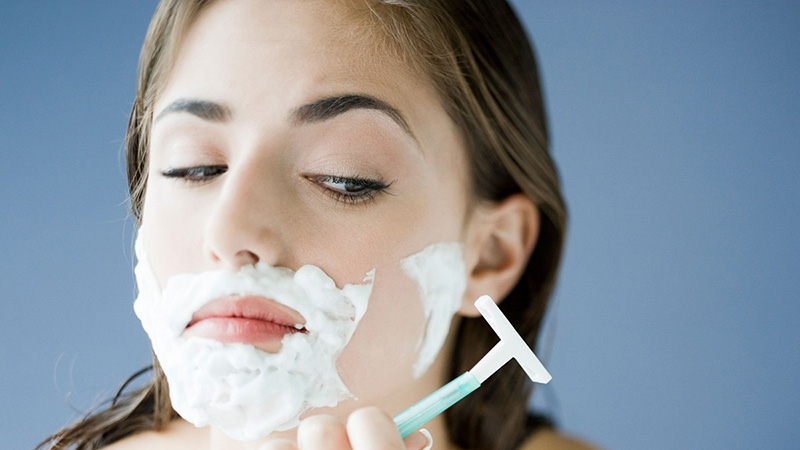
5. Hair Removal Creams (Depilatory Creams)
These creams dissolve hair at the skin's surface.
Advantages
-
Quick
-
Painless for many users
-
Smooth results
Disadvantages
-
May irritate sensitive skin
-
Strong odor in some products
-
Not suitable for everyone
Always perform a patch test at least 24 hours before using a depilatory cream on your face.
6. Laser Hair Reduction
Laser treatments target hair follicles using concentrated light energy.
Advantages
-
Long-lasting hair reduction
-
Less frequent maintenance
-
Effective for many people
Disadvantages
-
More expensive
-
Requires multiple treatment sessions
-
Results vary depending on hair color and skin type
Laser treatment reduces hair growth but may not permanently remove every hair.
7. Electrolysis
Electrolysis destroys individual hair follicles using a tiny electrical current.
Advantages
-
Can provide permanent hair removal
-
Suitable for many hair colors
-
FDA-recognized as a permanent hair removal method when performed correctly
Disadvantages
-
Time-consuming
-
More expensive
-
Requires multiple appointments
Because each hair is treated individually, larger areas require more time.
How to Choose the Right Method
Different people have different needs.
If You Want Speed
Choose:
-
Shaving
-
Depilatory creams
If You Want Longer-Lasting Results
Consider:
-
Waxing
-
Threading
-
Laser hair reduction
If You Want Permanent Removal
Electrolysis may be the best option.
If You Have Sensitive Skin
Threading or careful shaving may be gentler than waxing or depilatory creams, although individual responses vary.
Caring for Your Skin After Hair Removal
Regardless of the method you choose, aftercare is important.
After removing facial hair:
-
Wash gently with lukewarm water.
-
Apply a fragrance-free moisturizer.
-
Avoid excessive sun exposure for 24 hours if your skin is irritated.
-
Wear sunscreen during the day.
-
Avoid harsh exfoliants immediately afterward.
These steps may reduce redness and irritation.
Preventing Ingrown Hairs
Ingrown hairs occur when hair grows back into the skin.
To reduce the risk:
-
Exfoliate gently one or two times each week.
-
Avoid pulling the skin tightly while shaving.
-
Use clean, sharp razors.
-
Moisturize regularly.
Never pick at ingrown hairs, as this may increase the risk of infection or scarring.
Natural Hair Removal Remedies: Do They Work?
Many online videos recommend homemade mixtures containing:
-
Turmeric
-
Sugar
-
Lemon juice
-
Baking soda
-
Papaya
While some ingredients may temporarily remove fine hairs or exfoliate the skin, there is little scientific evidence that these home remedies permanently reduce facial hair growth.
Some ingredients—particularly lemon juice and baking soda—can also irritate the skin or increase sensitivity to sunlight.
If you choose to try any home remedy, perform a patch test first and discontinue use if irritation occurs.
When Facial Hair May Need Medical Evaluation
Sometimes increased facial hair growth is caused by an underlying medical condition.
Consider speaking with a healthcare professional if facial hair:
-
Appears suddenly
-
Becomes significantly thicker
-
Is accompanied by irregular menstrual periods
-
Develops along with severe acne
-
Occurs with deepening of the voice or other signs of increased androgen levels
These symptoms may occasionally be associated with conditions such as polycystic ovary syndrome (PCOS) or certain hormonal disorders.
Common Myths About Facial Hair Removal
Myth 1: Shaving Makes Hair Grow Back Thicker
False.
Hair may feel coarser because it grows back with a blunt tip, but shaving does not alter the hair follicle.
Myth 2: Waxing Permanently Stops Hair Growth
Waxing removes hair from the root but does not permanently destroy hair follicles.
Hair will eventually grow back.
Myth 3: Natural Remedies Permanently Remove Hair
There is currently limited scientific evidence that homemade remedies permanently reduce facial hair.
Professional treatments such as laser hair reduction and electrolysis have much stronger evidence.
Healthy Skin Starts With Healthy Habits
No matter which hair removal method you choose, maintaining healthy skin is essential.
Helpful habits include:
-
Cleansing gently
-
Moisturizing daily
-
Wearing sunscreen
-
Staying hydrated
-
Eating a balanced diet
-
Avoiding picking or scratching irritated skin
Healthy skin often recovers more quickly after hair removal.
Final Thoughts
Facial hair is a completely normal part of human biology, and choosing whether or not to remove it is a personal decision. Fortunately, there are many safe options available, including shaving, tweezing, waxing, threading, depilatory creams, laser hair reduction, and electrolysis. Each method has its own advantages and disadvantages, so the best choice depends on your skin type, hair characteristics, budget, and long-term goals.
No single method is perfect for everyone, and it's important to prioritize skin health by following proper aftercare and choosing techniques that minimize irritation. If facial hair growth changes suddenly or is accompanied by other symptoms such as irregular menstrual cycles or signs of hormonal imbalance, consult a healthcare professional for evaluation.
With the right approach, you can manage unwanted facial hair safely while keeping your skin healthy, comfortable, and confident.