How Eating Papaya May Support Digestion, Immunity, and Overall Wellness
Doctors Explain What Happens to Your Body When You Eat Papaya Regularly
Health 27/06/2026 17:03
Winged beans (Psophocarpus tetragonolobus) are one of the most nutritious yet underrated vegetables grown in tropical regions. Popular throughout Southeast Asia, South Asia, and parts of Africa, this unique plant has earned the nickname "the one-species supermarket" because nearly every part of it is edible. The pods, leaves, flowers, seeds, and even the roots can be enjoyed in a variety of dishes.
Although winged beans are less well-known than green beans or peas in many parts of the world, they are packed with valuable nutrients that support overall health. Rich in fiber, plant protein, vitamins, minerals, and antioxidants, winged beans can be an excellent addition to a balanced diet.
Let's explore why this remarkable vegetable deserves more attention and how it may contribute to better health.
Winged beans are climbing vines that produce long, green pods with four distinctive "wings" running along their edges.
Unlike many vegetables, nearly every part of the plant is edible:
Young pods
Tender leaves
Flowers
Mature seeds
Tubers (roots)
This makes winged beans both environmentally sustainable and nutritionally valuable.
Winged beans contain a wide range of important nutrients, including:
Plant-based protein
Dietary fiber
Vitamin A
Vitamin C
Folate
Calcium
Iron
Magnesium
Potassium
Phosphorus
Zinc
Antioxidants
The exact nutrient content varies depending on which part of the plant is eaten and how it is prepared.
One of the most remarkable features of winged beans is their protein content.
Compared with many other vegetables, they provide a relatively high amount of plant-based protein.
Protein plays an essential role in:
Building muscles
Repairing tissues
Producing enzymes and hormones
Supporting immune function
For people following vegetarian or plant-forward diets, winged beans can help increase daily protein intake.
Fiber is essential for digestive health.
Eating foods rich in fiber may help support:
Regular bowel movements
Healthy digestion
Feelings of fullness after meals
Healthy cholesterol levels
A fiber-rich diet has also been associated with improved long-term heart and metabolic health.
Winged beans contain nutrients commonly associated with cardiovascular health, including:
Potassium
Magnesium
Fiber
Unsaturated fats (mainly in the seeds)
Potassium helps maintain normal blood pressure by balancing the effects of sodium in the body.
Fiber may contribute to maintaining healthy cholesterol levels as part of an overall balanced diet.
While winged beans alone cannot prevent heart disease, they can be part of a heart-healthy eating pattern.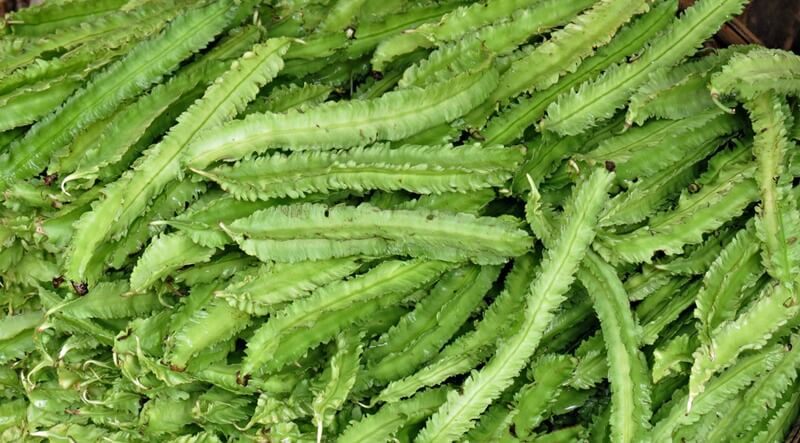
Like many colorful vegetables, winged beans contain antioxidants.
Antioxidants help protect cells from damage caused by unstable molecules known as free radicals.
A diet rich in antioxidant-containing foods has been associated with better long-term health.
Winged beans also provide vitamin C, which contributes to the body's natural antioxidant defenses.
Winged beans provide several minerals involved in bone health, including:
Calcium
Magnesium
Phosphorus
These nutrients work together to help maintain strong bones throughout life.
Although dairy foods remain an important source of calcium for many people, vegetables such as winged beans can also contribute to overall mineral intake.
Because winged beans contain both fiber and protein, they are digested more slowly than many refined carbohydrate foods.
This slower digestion may help:
Promote feelings of fullness
Support more gradual increases in blood sugar after meals
For people managing diabetes or prediabetes, winged beans can often fit into a healthy meal plan when prepared without excessive added fats or sugars.
Winged beans supply several nutrients needed for normal body function.
Supports:
Immune function
Collagen production
Wound healing
Important for:
Cell growth
DNA production
Healthy pregnancy
Helps transport oxygen throughout the body.
Iron from plant foods is absorbed more efficiently when eaten alongside foods rich in vitamin C.
Winged beans are naturally filling because they combine:
Fiber
Protein
Water
These qualities may help people feel satisfied after meals while supporting balanced calorie intake.
Including vegetables like winged beans as part of meals may reduce reliance on highly processed foods.
One reason winged beans are so versatile is the variety of ways they can be prepared.
Young pods can be:
Stir-fried
Steamed
Boiled
Added to salads
Included in soups
Leaves may be cooked similarly to spinach.
Flowers can be used as colorful garnishes.
Mature seeds can be cooked much like soybeans or other legumes.
For the best flavor and texture:
Choose young, tender pods.
Wash thoroughly before cooking.
Steam or stir-fry lightly to preserve texture.
Pair with garlic, ginger, onions, or herbs for added flavor.
Avoid overcooking, which may reduce some heat-sensitive nutrients.
Young winged bean pods are sometimes eaten raw in salads in certain cuisines.
However, cooking is generally recommended because it:
Improves digestibility
Softens the fibrous texture
Reduces naturally occurring compounds that may interfere with nutrient absorption
As with many legumes, proper cooking helps improve both safety and nutritional availability.
Winged beans are generally safe for most healthy people when properly prepared.
However:
Introduce high-fiber foods gradually if you're not used to them.
People with food allergies to legumes should use caution.
Individuals with specific kidney or digestive conditions should follow personalized dietary advice from their healthcare provider.
Winged beans are highly nutritious, but no single food can prevent or cure disease on its own.
Good health depends on an overall balanced lifestyle.
Even healthy foods should be eaten as part of a varied diet.
Balance and moderation remain important.
In fact, nearly every part of the winged bean plant can be used in cooking, making it one of the most versatile food crops available.
Winged beans pair well with many nutritious foods, including:
Brown rice
Quinoa
Grilled fish
Chicken
Tofu
Eggs
Other colorful vegetables
Combining different food groups creates balanced meals rich in vitamins, minerals, protein, and fiber.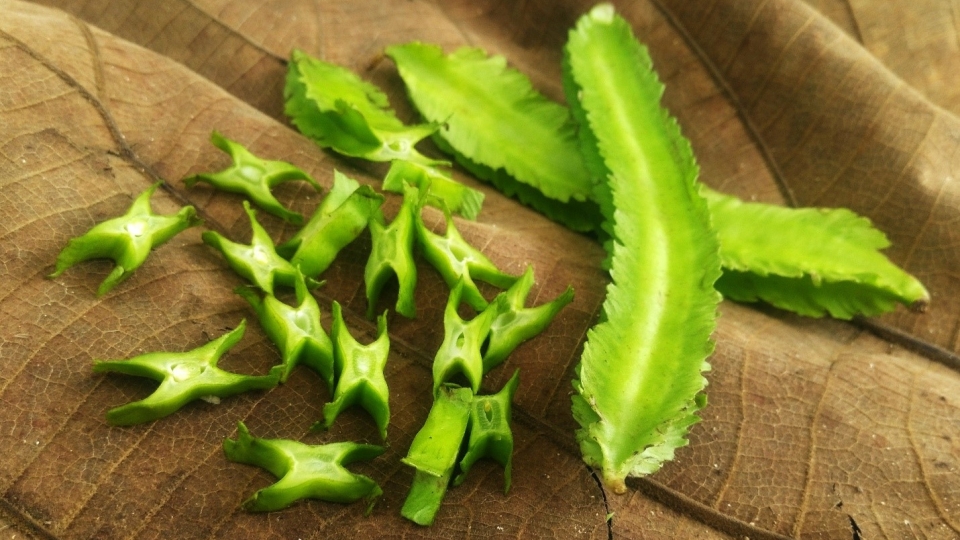
Winged beans are one of the most versatile and nutrient-rich vegetables available. From their protein and fiber content to their vitamins, minerals, and antioxidants, they offer a wide range of nutritional benefits that can support overall health when included as part of a balanced diet.
Whether stir-fried, steamed, added to soups, or enjoyed in salads, winged beans provide a delicious way to increase your intake of plant-based nutrients. While they are not a miracle food, they are an excellent example of how simple, traditional vegetables can make a valuable contribution to a healthy eating pattern.
By choosing a variety of colorful vegetables—including nutrient-dense options like winged beans—you can nourish your body, support long-term wellness, and enjoy flavorful meals that benefit both your health and your palate.
Doctors Explain What Happens to Your Body When You Eat Papaya Regularly
Enjoying Grapes Regularly? Here Are a Few Important Things to Consider

8 Warning Signs of Stroke That Young Adults Should Never Ignore

Your Feet May Tell You More About Your Health Than You Realize
These Everyday Habits May Be Putting Your Kidney Health at Risk

How to Soothe a Mucus-Filled Chest and Throat: Practical Home Care Tips

Diabetes Often Develops Silently - These 10 Signs May Appear First
Doctors Warn: These 7 Groups Face a Higher Risk of Kidney Disease

Ignoring these warning signs could delay early detection

Most People Ignore This Toenail Symptom Until It's Too Late

Persistent Hip Pain? It Could Be More Than Just Aging.

Don't overlook this common morning change.

These six subtle warning signs are easier to miss than you think.

Your Sleeping Position May Affect Your Spine, Breathing, and Sleep Quality

Morning Hydration Matters - Here's Why Drinking Water After Waking Up Can Help

Think Twice Before Eating These 5 Overnight Leftovers Without Proper Storage

Are Eggs Really Bad for Cholesterol? Scientists Are Taking a Fresh Look
Can Everyone Eat Watermelon? Here Are 5 Situations Where Moderation Matters

Pan.creatic Can.cer often whispers before it screams
Doctors Explain What Happens to Your Body When You Eat Papaya Regularly
Enjoying Grapes Regularly? Here Are a Few Important Things to Consider
8 Warning Signs of Stroke That Young Adults Should Never Ignore
Your Feet May Tell You More About Your Health Than You Realize

Extend the Shelf Life of Fresh Ginger Using These Simple Storage Methods
These Everyday Habits May Be Putting Your Kidney Health at Risk

Gentle Facial Hair Removal: What Works and What to Keep in Mind
How to Soothe a Mucus-Filled Chest and Throat: Practical Home Care Tips

6 Simple and Practical Ways to Reuse Rice Water Around Your Home
Diabetes Often Develops Silently - These 10 Signs May Appear First
Doctors Warn: These 7 Groups Face a Higher Risk of Kidney Disease
Ignoring these warning signs could delay early detection
Most People Ignore This Toenail Symptom Until It's Too Late
Persistent Hip Pain? It Could Be More Than Just Aging.
Don't overlook this common morning change.
These six subtle warning signs are easier to miss than you think.
Your Sleeping Position May Affect Your Spine, Breathing, and Sleep Quality
Morning Hydration Matters - Here's Why Drinking Water After Waking Up Can Help
Think Twice Before Eating These 5 Overnight Leftovers Without Proper Storage