A beautiful garden filled with lush plants can make any home feel more peaceful and inviting. However, certain landscaping choices may unintentionally create an environment that is attractive to wildlife - including snakes.
It's important to understand that snakes are not attracted to specific plant species themselves. Instead, they are drawn to places that provide shelter, shade, moisture, and access to food such as rodents, frogs, insects, and lizards. Dense vegetation and poorly maintained gardens can offer ideal hiding places where snakes feel protected.
If you live in an area where snakes are common, paying attention to your landscaping can help reduce the chances of unexpected encounters. Here are four types of garden plants and features that may provide favorable hiding spots for snakes, along with practical ways to make your yard less inviting.
Why Do Snakes Enter Residential Gardens?
Snakes generally do not seek out humans.
Most snakes enter yards because they are searching for one or more of the following:
-
Shelter from heat
-
Protection from predators
-
Food such as mice, rats, frogs, birds, or lizards
-
Water during dry weather
-
Quiet places to rest
A well-maintained yard is usually much less attractive than one with thick ground cover and abundant hiding places.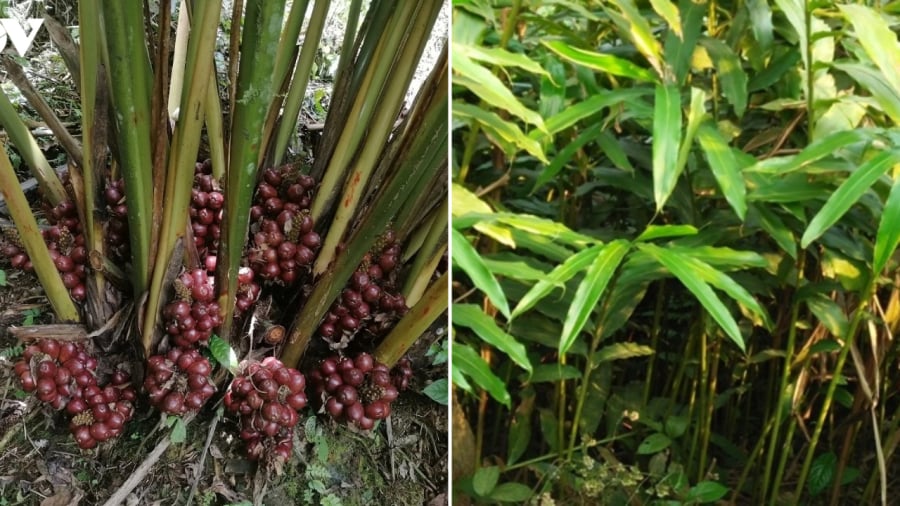
1. Dense Ground-Cover Plants
Ground-cover plants spread quickly and create thick layers of foliage close to the soil.
Examples include:
-
Ivy
-
Creeping Jenny
-
Periwinkle
-
Dense ornamental ground covers
These plants can provide cool, shaded areas where snakes may hide during the hottest parts of the day.
Why They Can Attract Snakes
Dense foliage:
-
Blocks sunlight
-
Retains moisture
-
Makes snakes difficult to detect
-
Provides shelter for rodents and insects
How to Reduce Risk
You don't necessarily need to remove these plants completely.
Instead:
-
Trim them regularly.
-
Prevent excessive overgrowth.
-
Leave open spaces between planting areas.
-
Remove fallen leaves beneath them.
2. Tall Ornamental Grasses
Decorative grasses are popular because they require little maintenance and add texture to landscapes.
However, large clumps of grass may become excellent hiding places.
Examples include:
-
Pampas grass
-
Fountain grass
-
Maiden grass
-
Switchgrass
Why Snakes Like Them
Tall grasses provide:
-
Shade
-
Protection from predators
-
Easy access to insects and small animals
Keeping ornamental grasses trimmed and dividing overgrown clumps can help reduce hiding spots.
3. Thick Shrubs and Bushes
Shrubs add privacy and beauty to gardens, but dense bushes with branches reaching the ground can create ideal shelters.
Examples include:
-
Boxwood
-
Privet
-
Large hedges
-
Overgrown flowering shrubs
Best Practices
Maintain shrubs by:
-
Trimming lower branches.
-
Allowing sunlight beneath the canopy.
-
Removing piles of leaves underneath.
-
Keeping the area around shrubs clean.
Better airflow and visibility make these areas less appealing to snakes.
4. Climbing Vines and Overgrown Vegetation
Vines growing over fences, walls, or sheds may create cool, protected spaces.
Common examples include:
-
English ivy
-
Virginia creeper
-
Wisteria
-
Morning glory
When left unmanaged, climbing plants can hide:
-
Rodent nests
-
Bird nests
-
Moist debris
-
Small animal pathways
All of these may indirectly attract snakes.
Regular pruning helps maintain both appearance and safety.
It's Often the Habitat—Not the Plant
One of the biggest misconceptions is that snakes are attracted to certain plant species.
In reality, snakes respond primarily to the environment surrounding the plants.
A garden becomes more attractive when it provides:
-
Dense cover
-
Plenty of prey
-
Standing water
-
Undisturbed hiding places
Changing these conditions is often more effective than removing a particular plant.
Other Yard Features That May Attract Snakes
Plants aren't the only factor.
Other common hiding places include:
-
Wood piles
-
Rock piles
-
Compost heaps
-
Unused building materials
-
Tall weeds
-
Thick mulch layers
-
Cluttered storage areas
Keeping these areas tidy can significantly reduce snake habitat.
How to Make Your Yard Less Attractive to Snakes
Simple landscaping habits can help.
Keep Grass Short
Regular mowing improves visibility and removes hiding places.
Remove Rodents
Because snakes follow food sources, controlling mice and rats is one of the best preventive measures.
Store pet food securely and keep garbage bins tightly closed.
Eliminate Standing Water
Repair leaking hoses and empty containers that collect rainwater.
This reduces the number of frogs and insects that attract snakes.
Seal Entry Points
Inspect your home for:
-
Gaps under doors
-
Cracks in foundations
-
Open utility pipes
-
Broken vents
Preventing entry is easier than removing snakes later.
Keep Firewood Elevated
Store wood at least several inches above the ground and away from the house.
What Should You Do If You See a Snake?
Remain calm.
Most snakes prefer to avoid people and will leave if given space.
If you encounter one:
-
Keep a safe distance.
-
Do not attempt to catch or kill it.
-
Keep children and pets away.
-
Contact local wildlife authorities if necessary, especially if you suspect it may be venomous.
Attempting to handle a snake greatly increases the risk of injury.
Are All Snakes Dangerous?
No.
The majority of snake species are harmless to humans.
Many actually provide important environmental benefits by controlling populations of:
-
Rats
-
Mice
-
Insects
Even harmless snakes, however, should be respected and left undisturbed.
Common Myths About Snake-Repelling Plants
Myth 1: Certain Plants Completely Repel Snakes
There is no strong scientific evidence that planting garlic, marigolds, lemongrass, snake plants, or other commonly promoted species will reliably keep snakes away.
While some plants have strong scents, snakes primarily rely on environmental conditions rather than avoiding specific plants.
Myth 2: Snakes Only Appear in Rural Areas
Snakes can occasionally be found in suburban and even urban neighborhoods, especially where food and shelter are available.
Myth 3: Removing One Plant Solves the Problem
Reducing snake habitat requires overall yard maintenance rather than eliminating a single plant.
A Balanced Approach to Garden Safety
Creating a snake-resistant garden doesn't mean removing all vegetation.
Instead, aim for a landscape that is:
-
Well maintained
-
Free of excessive clutter
-
Properly trimmed
-
Clean and open
-
Less attractive to rodents
This approach supports both safety and a healthy garden ecosystem.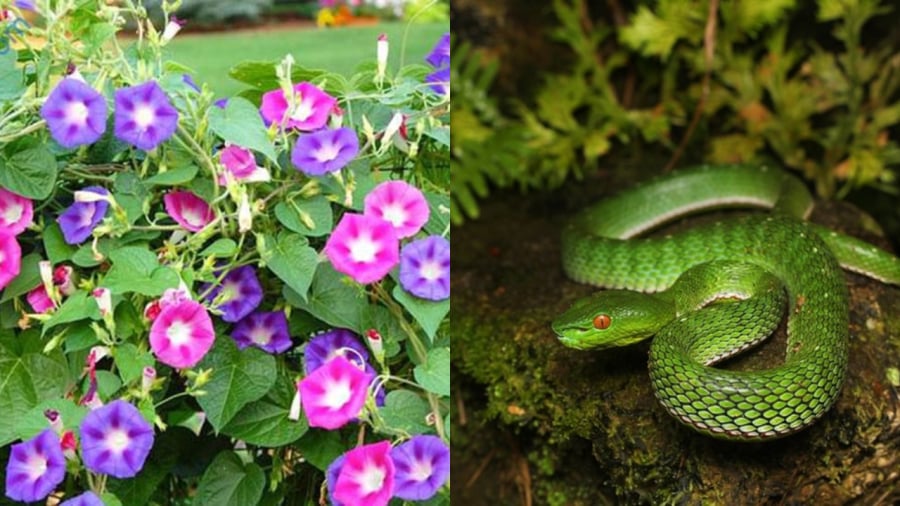
Final Thoughts
Beautiful gardens and snake prevention can go hand in hand. While no particular plant attracts snakes on its own, dense ground covers, tall ornamental grasses, thick shrubs, and unmanaged climbing vines can create cool, sheltered environments where snakes may choose to hide - especially if food sources such as rodents are nearby.
The best strategy is not to fear every plant, but to maintain your landscape carefully. Regular pruning, keeping grass short, removing debris, controlling rodents, and eliminating unnecessary hiding places can significantly reduce the likelihood of snakes taking up residence in your yard.
With thoughtful garden maintenance, you can continue enjoying a lush outdoor space while making it far less inviting to unwanted wildlife.