Garlic has been treasured for thousands of years—not only as a flavorful ingredient but also as a traditional home remedy for various health concerns. Across many cultures, people have used garlic to help relieve sore throats, coughs, and symptoms of the common cold. Modern research has found that garlic contains biologically active compounds, including allicin, which has demonstrated antimicrobial and anti-inflammatory properties in laboratory studies.
However, it's important to understand that while garlic may help support overall health and provide temporary comfort for some throat symptoms, it is not a proven cure for sore throats, strep throat, influenza, COVID-19, or other respiratory infections. Persistent or severe symptoms should always be evaluated by a healthcare professional.
Let's explore 15 potential ways garlic may support throat health and why it has remained one of the world's most popular natural remedies.
What Makes Garlic Special?
When fresh garlic is crushed or chopped, it produces allicin, a sulfur-containing compound responsible for much of garlic's characteristic aroma.
Garlic also contains:
-
Vitamin C
-
Vitamin B6
-
Manganese
-
Selenium
-
Antioxidants
-
Flavonoids
-
Sulfur compounds
Together, these nutrients contribute to garlic's potential health-promoting properties.
1. May Help Support the Body's Natural Immune Response
Garlic has long been associated with immune health.
Some research suggests that garlic compounds may help support normal immune function, although more high-quality human studies are needed.
A healthy immune system plays an important role in responding to infections that may cause sore throat symptoms.
2. Contains Natural Antioxidants
Garlic provides antioxidants that help protect cells from oxidative stress.
Oxidative stress is linked to normal aging and many chronic diseases.
A diet rich in antioxidant-containing foods may support long-term health.
3. May Have Mild Anti-Inflammatory Properties
Inflammation contributes to many sore throat symptoms.
Laboratory research suggests that garlic compounds may influence inflammatory pathways.
Although these findings are promising, garlic should not replace medically recommended treatments for inflammatory conditions.
4. May Offer Antimicrobial Activity in Laboratory Studies
Allicin has demonstrated activity against certain bacteria, fungi, and viruses under laboratory conditions.
However, laboratory findings do not necessarily mean eating garlic will prevent or treat infections in people.
Clinical evidence remains limited.
5. May Help Maintain General Respiratory Wellness
Garlic has traditionally been used during cold and flu season.
While evidence is mixed, including garlic as part of a healthy diet may support overall respiratory wellness alongside other healthy lifestyle habits.
6. May Help Soothe Mild Throat Discomfort
Warm foods and beverages often provide temporary comfort during a sore throat.
Some people include garlic in warm soups, broths, or herbal teas.
The warmth of the liquid may be more soothing than garlic itself, but garlic can be part of these comforting meals.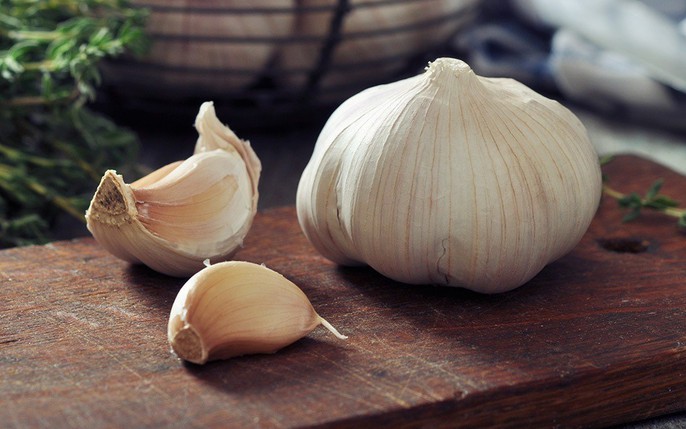
7. Supports Good Nutrition During Illness
When you're feeling unwell, nutritious meals become even more important.
Garlic adds flavor while contributing small amounts of:
-
Vitamins
-
Minerals
-
Beneficial plant compounds
It also encourages many people to prepare homemade meals rich in vegetables and lean proteins.
8. May Support Heart Health
Although not directly related to throat health, garlic has been studied for its potential cardiovascular benefits.
Some evidence suggests garlic may help support:
-
Healthy blood pressure
-
Normal cholesterol levels
These effects are generally modest and should complement—not replace—medical care.
9. May Help Promote Healthy Circulation
Some studies suggest garlic may influence blood vessel function through increased nitric oxide availability.
Healthy circulation supports overall body function, including the tissues of the respiratory tract.
10. May Contribute to a Healthy Microbiome
Emerging research suggests garlic contains compounds that may act as prebiotics, helping nourish beneficial bacteria in the gut.
A healthy gut microbiome plays an important role in immune function.
Research in this area is still developing.
11. Naturally Low in Calories
Garlic provides substantial flavor with very few calories.
Replacing excess salt or high-calorie sauces with herbs and garlic may support healthier eating habits.
12. Encourages Home Cooking
People who cook with garlic often prepare more meals at home.
Home-cooked meals generally contain:
-
More vegetables
-
Less sodium
-
Less added sugar
-
Fewer highly processed ingredients
Overall dietary quality has a greater impact on health than any single food.
13. May Help Freshen Meals With Natural Flavor
Although raw garlic can temporarily cause bad breath, it enhances the flavor of healthy dishes without relying heavily on processed seasonings.
This may encourage greater vegetable consumption.
14. Easy to Include in Many Recipes
Garlic works well in:
-
Soups
-
Stir-fries
-
Pasta
-
Roasted vegetables
-
Salad dressings
-
Marinades
Its versatility makes it easy to incorporate into a balanced diet.
15. Part of a Healthy Dietary Pattern
Perhaps garlic's greatest benefit is that it is commonly included in dietary patterns associated with good health, such as the Mediterranean diet.
These eating patterns emphasize:
-
Fruits
-
Vegetables
-
Whole grains
-
Olive oil
-
Fish
-
Legumes
-
Herbs and spices
Garlic is one small—but flavorful—part of this overall healthy lifestyle.
Popular Home Remedies Using Garlic
Many traditional remedies combine garlic with other soothing ingredients.
Examples include:
-
Garlic added to chicken soup
-
Garlic with warm broth
-
Garlic mixed into cooked vegetables
-
Garlic with honey (for adults only—never give honey to infants under 1 year of age)
While these remedies may provide comfort, they should not replace medical treatment when necessary.
Can Eating Raw Garlic Help More?
Some people believe raw garlic is more effective because heat can reduce the amount of allicin.
However, raw garlic may also cause:
-
Mouth irritation
-
Heartburn
-
Stomach discomfort
-
Digestive upset
Cooking garlic slightly may improve tolerance while still allowing it to contribute flavor and nutrients.
When Garlic May Not Be Appropriate
Garlic is generally safe as a food, but some people should exercise caution.
Consult a healthcare professional if you:
-
Take blood-thinning medications such as warfarin
-
Have an upcoming surgery
-
Experience frequent acid reflux
-
Have a garlic allergy
Large amounts of garlic supplements may interact with certain medications.
When a Sore Throat Needs Medical Attention
A sore throat should be evaluated if it is accompanied by:
-
High fever
-
Difficulty breathing
-
Difficulty swallowing
-
Severe swelling
-
Persistent symptoms lasting more than several days
-
White patches on the tonsils
-
A rash
-
Recurrent episodes
These symptoms may indicate a bacterial infection or another condition requiring medical treatment.
Common Myths About Garlic
Myth 1: Garlic Cures Every Sore Throat
False.
Garlic may provide supportive benefits, but it has not been proven to cure sore throats or respiratory infections.
Myth 2: More Garlic Means Better Results
Eating excessive amounts of garlic does not necessarily provide greater health benefits and may cause digestive discomfort.
Moderation is best.
Myth 3: Garlic Can Replace Antibiotics
False.
Bacterial infections such as strep throat require proper medical evaluation and, when indicated, antibiotic treatment prescribed by a healthcare professional.
Final Thoughts
Garlic has earned its reputation as one of the world's most popular natural foods, thanks to its rich nutritional profile and long history in traditional medicine. While research suggests that garlic contains compounds with antioxidant, anti-inflammatory, and antimicrobial properties, current scientific evidence does not support using garlic as a standalone treatment for sore throats or respiratory infections.
Instead, garlic is best viewed as part of a balanced, nutrient-rich diet that supports overall health and immune function. Adding garlic to soups, vegetables, and other wholesome meals may provide flavor, nutritional value, and comfort when you're feeling under the weather.
If your sore throat is severe, lasts more than a few days, or is accompanied by high fever, difficulty breathing, or difficulty swallowing, seek medical attention promptly. Combining healthy eating with evidence-based medical care remains the safest and most effective approach to protecting your throat and overall well-being.